
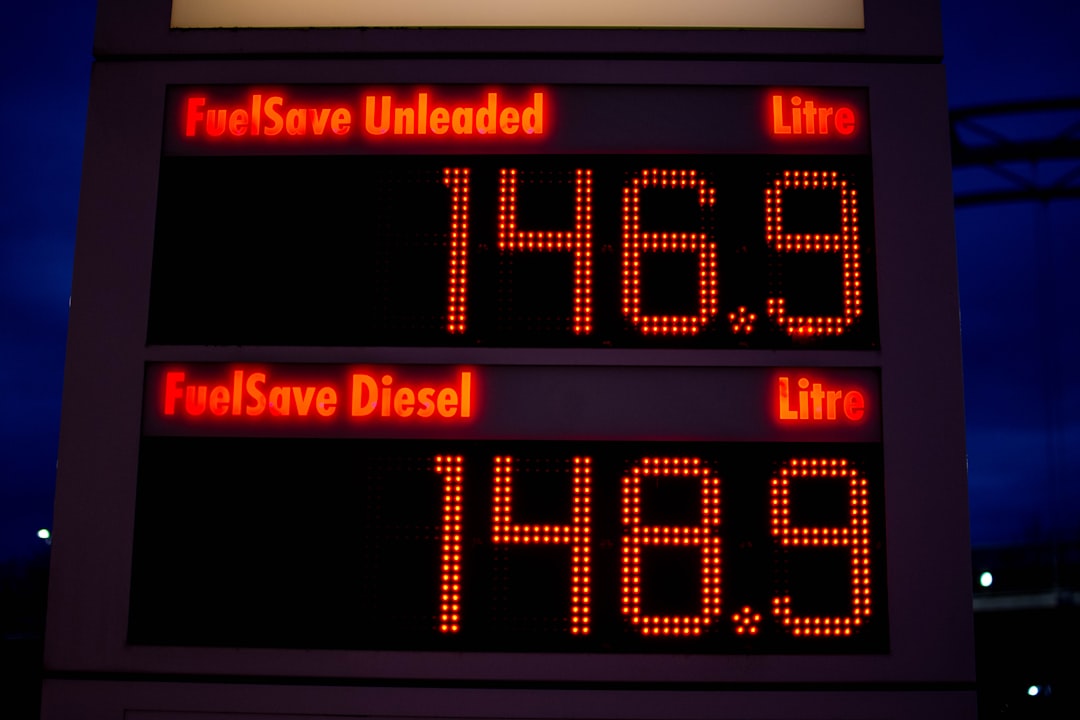
Fuel Price Hike Alert: ₹1/L Increase Imminent?
India’s consumers are breathing a sigh of relief as petrol and diesel prices remained unchanged on 28 April 2026. However, the underlying reason for this stability is a ticking time bomb – the global crude oil prices have seen a significant surge due to tensions over the Strait of Hormuz and the ongoing US-Iran conflict. If we consider the past trends, a ₹1/L increase in fuel price is not an unrealistic possibility in the near future.
TL;DR:
- Global crude oil prices have surged due to tensions over the Strait of Hormuz and the ongoing US-Iran conflict.
- India’s fuel prices remained unchanged on 28 April 2026, despite the rising global crude oil prices.
- A ₹1/L increase in fuel price is a possibility in the near future.
What Happened
The global crude oil prices have been on a rollercoaster ride in recent weeks, with Brent crude prices rising to around $70/barrel. This surge is primarily due to tensions over the Strait of Hormuz, a critical waterway that connects the Middle East to the rest of the world, and the ongoing US-Iran conflict. While the Indian government has not imposed a fuel price increase yet, the rising global crude oil prices are a cause for concern. The Indian rupee has also seen a decline against the US dollar, making imports more expensive.
According to the Indian Oil Corporation (IOC), the country’s oil marketing companies (OMCs) have been absorbing the rising global crude oil prices. However, this cannot continue for long, and a fuel price increase is inevitable. The IOC has already indicated that the OMCs may pass on the increased costs to consumers if the global crude oil prices continue to rise.
Why It Matters
A fuel price hike has far-reaching implications for the Indian economy. The rising fuel prices will not only increase the cost of transportation but also lead to higher inflation. The common man will bear the brunt of this increase, as the government may not be able to absorb the rising costs for long. Additionally, a fuel price hike may also lead to a decrease in consumer spending, which can have a ripple effect on the overall economy.
Key Reactions / Quotes
“We are closely monitoring the global crude oil prices and will take a decision on fuel price hike accordingly,” said a government official. “We understand the concerns of consumers, but we cannot afford to absorb the rising costs for long.”
“The Indian economy is vulnerable to fuel price shocks, and a hike will have a significant impact on inflation,” said Dr. Jayanth Sriram, an economist at a leading research institution. “The government needs to take proactive measures to mitigate the impact of a fuel price hike.”
What’s Next
The Indian government is closely monitoring the global crude oil prices and the situation in the Strait of Hormuz. A decision on fuel price hike will be taken in the coming weeks, depending on the developments. The OMCs are also preparing for a potential fuel price hike, and have been increasing their stockpiles of fuel.
In conclusion, while India’s fuel prices remained unchanged on 28 April 2026, the underlying reasons for this stability are a cause for concern. The global crude oil prices have seen a significant surge due to tensions over the Strait of Hormuz and the ongoing US-Iran conflict. A ₹1/L increase in fuel price is a possibility in the near future, and the Indian government will need to take a proactive decision to mitigate the impact of this increase on the economy.
Source & Credits: LiveMint | AI-Assisted Editorial
जलयान की कीमतें बढ़ने की चेतावनी: ₹1/L का वृद्धि पूर्वानुमान?
भारत के उपभोक्ताओं को 28 अप्रैल 2026 को पेट्रोल और डीजल की कीमतों में कोई बदलाव नहीं देखा गया। हालांकि, यह स्थिरता इस बात के पीछे एक जहरीला बम है – वैश्विक कच्चे तेल की कीमतें सिर्फ तेजी से बढ़ रही हैं। यदि हम पिछले पैटर्न को देखते हैं, तो जल्द ही ₹1/L का ईंधन की कीमत में वृद्धि अस्वीकार्य नहीं है।
TL;DR:
- वैश्विक कच्चे तेल की कीमतें सिर्फ तेजी से बढ़ रही हैं मध्य पूर्व और संयुक्त राज्य अमेरिका-इरान संघर्ष के कारण।
- भारत की ईंधन की कीमतें 28 अप्रैल 2026 को अपरिवर्तित रहीं हैं, वैश्विक कच्चे तेल की कीमतों में वृद्धि के बावजूद।
- जल्द ही ₹1/L की ईंधन की कीमत में वृद्धि एक संभावना है।
यह क्या हुआ
वैश्विक कच्चे तेल की कीमतें हाल के सप्ताहों में रोलरकोस्टर के सवारी में रही हैं, जिसमें ब्रेंट कच्चे तेल की कीमतें लगभग $70/बैरल तक पहुंच गई हैं। इस वृद्धि का मुख्य कारण मध्य पूर्व में स्थित स्ट्रेट ऑफ हॉर्मुज की सीमा पर तनाव और संयुक्त राज्य अमेरिका-इरान संघर्ष है। भारत सरकार ने अभी तक ईंधन की कीमत में कोई वृद्धि नहीं लगाई है, लेकिन वैश्विक कच्चे तेल की कीमतों में वृद्धि एक चिंता का विषय है। भारतीय रुपया अमेरिकी डॉलर के खिलाफ गिर गया है, जिससे आयात महंगा हो गया है।
भारतीय तेल निगम (आईओसी) के अनुसार, देश की तेल विपणन कंपनियों (ओएमसी) वैश्विक कच्चे तेल की कीमतों में वृद्धि को absorb रही हैं। हालांकि, यह जल्द ही असंभव हो जाएगा और ईंधन की कीमत में वृद्धि अनिवार्य हो जाएगी। आईओसी ने पहले ही संकेत दिया है कि ओएमसी वैश्विक कच्चे तेल की कीमतों में वृद्धि को उपभोक्ताओं पर पारित कर सकते हैं यदि वे और बढ़ती हैं।
यह क्यों महत्वपूर्ण है
ईंधन की कीमत में वृद्धि भारतीय अर्थव्यवस्था पर गहरा प्रभाव डालती है। बढ़ती ईंधन की कीमतें न केवल परिवहन की लागत बढ़ाएंगी, बल्कि उच्च मुद्रास्फीति का कारण भी बनेंगी। सामान्य व्यक्ति इस वृद्धि के दंश से जूझेगा, क्योंकि सरकार लंबे समय तक बढ़ती लागत को absorb नहीं कर सकती है। इसके अलावा, ईंधन की कीमत में वृद्धि उपभोक्ता व्यय में भी कमी का कारण बन सकती है, जिसका पूरे अर्थव्यवस्था पर प्रतिकूल प्रभाव पड़ सकता है।
शीर्ष प्रतिक्रियाएँ/वाक्यांश
“हम वैश्विक कच्चे तेल की कीमतों का करीब से पालन कर रहे हैं और ईंधन की कीमत में वृद्धि के निर्णय के आधार पर ईंधन की कीमत में वृद्धि पर कार्रवाई करेंगे,” भारत सरकार के एक अधिकारी ने कहा। “हम उपभोक्ताओं की चिंताओं को समझते हैं, लेकिन लंबे समय तक बढ़ती लागत को absorb नहीं कर सकते हैं।”
“भारतीय अर्थव्यवस्था ईंधन की कीमत शॉक के प्रति संवेदनशील है और ईंधन की कीमत में वृद्धि से उच्च मुद्रास्फीति का कारण बन सकती है,” डॉ. जयंत श्रीराम, एक प्रमुख अनुसंधान संस्थान में एक अर्थशास्त्री ने कहा। “सरकार को ईंधन की कीमत में वृद्धि के प्रभाव को कम करने के लिए सक्रिय कदम उठाने होंगे।”
आगे क्या होगा
भारत सरकार वैश्विक कच्चे तेल की कीमतों और स्ट्रेट ऑफ हॉर्मुज की स्थिति का करीब से पालन कर रही है। ईंधन की कीमत में वृद्धि पर निर्णय आगामी हफ्तों में लिया जाएगा, जो विकास पर निर्भर करेगा। ओएमसी भी एक संभावित ईंधन की कीमत में वृद्धि के लिए तैयार हैं।
Source & Credits: LiveMint | AI-Assisted Editorial
బావి ధరలు పెరుగుదల సమాచారం: రూ.1/లీ. పెరుగుదల అవసరం ఉందా?
భారత వినియోగదారులు ఇప్పటికే మెరుగైన శ్రేయస్సుతో ఉన్నారు, ఎందుకంటే 28 ఏప్రిల్ 2026న బెంజిన్ మరియు డీజిల్ ధరలు మార్పు లేకుండా ఉన్నాయి. అయితే, ఈ స్థిరత్వం కారణం అనేది ఒక క్యాలెండర్ పెట్టె లోపం, హార్మూజ్ స్ట్రెయిట్లో తిరిగి వచ్చే ప్రమాదం మరియు ప్రస్తుత యుఎస్-ఇరాన్ వైరుధ్యం కారణంగా ప్రపంచ క్రూడ్ ఓయిల్ ధరలు తీవ్రంగా పెరుగుతున్నాయి. గత త్రేండ్లను పరిగణనలోకి తీసుకుంటే, రూ.1/లీ. బావి ధర పెరుగుదల సాధ్యమయ్యే అసంభవం కాదు.
TL;DR:
- హార్మూజ్ స్ట్రెయిట్లో తిరిగి వచ్చే ప్రమాదం మరియు ప్రస్తుత యుఎస్-ఇరాన్ వైరుధ్యం కారణంగా ప్రపంచ క్రూడ్ ఓయిల్ ధరలు తీవ్రంగా పెరుగుతున్నాయి.
- భారత వినియోగదారులు మెరుగైన శ్రేయస్సుతో ఉన్నారు, ఎందుకంటే 28 ఏప్రిల్ 2026న బెంజిన్ మరియు డీజిల్ ధరలు మార్పు లేకుండా ఉన్నాయి.
- రూ.1/లీ. బావి ధర పెరుగుదల సాధ్యమయ్యే అసంభవం కాదు.
ఏమి జరిగింది
ప్రపంచ క్రూడ్ ఓయిల్ ధరలు చాలా కాలంగా తీవ్రంగా పెరుగుతున్నాయి, ఇది బ్రెంట్ క్రూడ్ ధరలు సుమారు $70/బారెల్కి పెరిగింది. ఈ పెరుగుదల హార్మూజ్ స్ట్రెయిట్లో తిరిగి వచ్చే ప్రమాదం మరియు ప్రస్తుత యుఎస్-ఇరాన్ వైరుధ్యం కారణంగా జరిగింది. అయితే, భారత ప్రభుత్వం ఇప్పటికే బావి ధరలు పెంచలేదు, అయితే ప్రపంచ క్రూడ్ ఓయిల్ ధరలు పెరుగుతున్నాయి. భారతీయ రూపాయి డాలర్కు తగ్గిపోయింది, ఇది ఎగుమతు
Source & Credits: LiveMint | AI-Assisted Editorial