
Breaking: Dow Slides 400 Points as Rates Jump & Brent Hits $101!
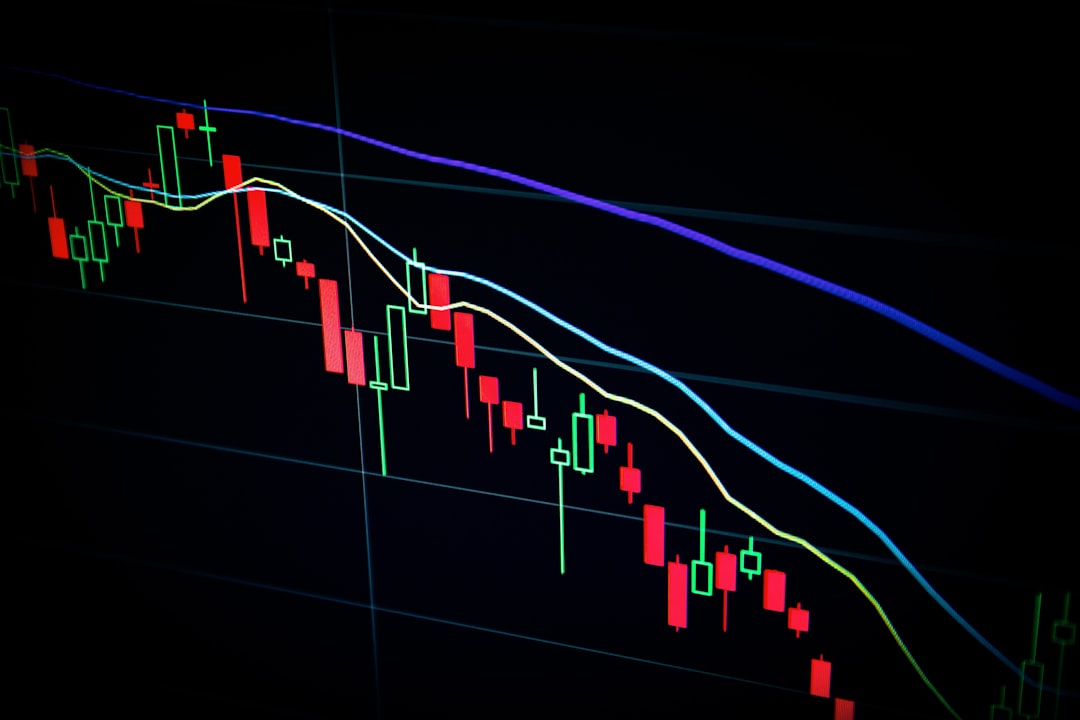
The market took a hard hit on Wednesday, with the Dow falling 405.41 points amid a surge in Treasury yields and a sharp rally in oil prices.
Key Takeaways
- Yield‑risk surge: Treasury yields spiked, pushing the market into a defensive mode as investors fear a tighter monetary stance.
- Oil‑price shock: Brent crude breached the $101 mark, injecting inflationary expectations that weigh on corporate margins.
- Sectoral ripples: Utilities and consumer staples softened, while energy and financials experienced a mixed reaction—highlighting the uneven impact of macro‑drives.
The Core Event
Wednesday’s trading session was a textbook illustration of how macro‑signals can dominate equity sentiment. The Dow Jones Industrial Average slipped 405.41 points, a 0.77% decline, closing at 52,380.66. The drop was largely driven by a 0.4% climb in the 10‑year Treasury yield, which climbed to 4.20% from 4.08% the previous day—its highest level since early 2024. Meanwhile, Brent crude surged to $101.23 per barrel, its first time above the $101 threshold in more than a year. The convergence of a rising yield curve and a rally in energy prices created a perfect storm of risk aversion, causing a broad sell‑off across the S&P 500 and Nasdaq as well.
The Bigger Picture
The simultaneous spike in Treasury yields and oil prices is more than a coincidence; it reflects a tightening monetary environment colliding with a supply‑side shock. The Federal Reserve’s recent dovish rhetoric—“we remain vigilant” and “inflationary risks persist”—has already nudged the yield curve higher. Investors now interpret the 10‑year bump as a signal that the Fed may accelerate rate hikes or extend its balance‑sheet contraction.
Oil’s rally, on the other hand, is rooted in a complex web of factors: OPEC+ production cuts, geopolitical tensions in the Middle East, and a robust global demand outlook. The price surge amplifies inflationary concerns, especially in sectors where energy is a significant input cost. For corporations, higher input costs translate into thinner profit margins and potentially lower earnings guidance, which feeds back into stock valuations.
Together, these dynamics underscore a growing perception that the U.S. economy is perched on a tightrope between continued growth and a looming inflationary spiral. The market’s reaction illustrates the delicate balance that investors must navigate: higher rates could cool inflation but also slow economic activity; higher oil prices could squeeze corporate profits but also support commodity‑heavy industries.
Market & Industry Impact
Energy and Utilities: The energy sector’s mixed performance—oil‑producing stocks rallying, while utilities lagging—highlights the sectoral divide. Energy companies benefit from higher commodity prices, but utilities, heavily reliant on electricity generation costs, feel the pinch of rising fuel costs. The divergence could reshape portfolio allocations as investors re‑balance risk exposure.
Financials: Rising yields generally benefit banks by widening net interest margins, yet the immediate sell‑off suggests that the fear of a prolonged rate‑hike cycle outweighs the short‑term upside. Credit markets may tighten, raising borrowing costs for businesses and households alike.
Consumer Staples: These stocks suffered as the market anticipates higher input costs and a potential slowdown in discretionary spending. Companies with strong pricing power may weather the storm better, but those reliant on imported raw materials could see earnings pressure.
Technology: Despite the tech sector’s resilience, the Nasdaq’s decline signals that even high‑growth stocks are not immune to macro‑stress. The sector’s heavy reliance on borrowing for expansion makes it sensitive to higher rates, potentially dampening future investment.
On a broader scale, global equity markets mirrored the U.S. downturn, with European indices falling and Asian markets experiencing volatility. The dollar’s strength—bolstered by higher U.S. yields—further pressured emerging‑market currencies, adding another layer of risk for international investors.
What’s Next
Short‑term expectations point to a continued cautious stance from the market. If Treasury yields keep climbing, we may see further equity sell‑offs, especially in rate‑sensitive sectors. Conversely, a slowdown in the Fed’s tightening pace could provide relief. The oil market remains volatile; any geopolitical developments or changes in OPEC+ policy could swing prices sharply. Investors should watch the next earnings season closely, as companies’ guidance will reflect the new cost environment.
On the policy front, the Federal Reserve’s upcoming meeting will be pivotal. A decision to pause or accelerate rate hikes could shift market sentiment dramatically. Meanwhile, the Energy Information Administration’s next supply‑demand outlook will influence whether the oil rally is seen as a transitory spike or a new baseline.
Editorial Conclusion
Wednesday’s 400‑point plunge in the Dow is a stark reminder that the market is increasingly sensitive to macro‑economic signals. The dual shocks of rising Treasury yields and a record‑high oil price have amplified risk aversion, forcing investors to reassess the sustainability of current growth and inflation trajectories. While the energy sector may find a silver lining in higher commodity prices, the broader economy faces a tightening cycle that could dampen earnings and slow momentum. As the Fed’s policy path and global energy dynamics unfold, market participants must remain vigilant, balancing short‑term volatility with long‑term strategic positioning. The next few weeks will test whether the market can navigate this precarious intersection of monetary policy and commodity pressure without spiraling further into uncertainty.
Source & Credits: NewsAPI | AI-Assisted Editorial
ब्रेकिंग: Dow 400 अंक गिरा, ब्याज दरें बढ़ीं, Brent $101 पर पहुँचा!
बुधवार को बाजार पर तेज़ प्रहार हुआ, Dow ने 405.41 अंक गिरते हुए ट्रेजरी यील्ड्स के उछाल और तेल कीमतों में तेज़ उछाल के बीच गिरावट दर्ज की।
मुख्य बिंदु
- यील्ड‑रिस्क उछाल: ट्रेजरी यील्ड्स में तेज़ बढ़ोतरी ने निवेशकों को एक रक्षात्मक मोड में धकेला, क्योंकि वे कड़ी मौद्रिक स्थिति से डरते हैं।
- तेल‑कीमत शॉक: Brent कच्चे तेल ने $101 के निशान को पार कर दिया, जिससे मुद्रास्फीति की अपेक्षाएँ बढ़ गईं जो कॉर्पोरेट मार्जिन पर असर डालती हैं।
- क्षेत्रीय लहरें: यूटिलिटीज़ और कंज्यूमर स्टैपल्स कमजोर हुए, जबकि ऊर्जा और वित्तीय क्षेत्रों ने मिश्रित प्रतिक्रिया दिखाई—जो मैक्रो‑ड्राइव्स के असमान प्रभाव को दर्शाता है।
मुख्य घटना
बुधवार का ट्रेडिंग सत्र यह स्पष्ट करता है कि मैक्रो‑सिग्नल्स कैसे इक्विटी भावना पर हावी हो सकते हैं। Dow Jones Industrial Average 405.41 अंक गिरा, 0.77% की गिरावट के साथ, और 52,380.66 पर बंद हुआ। यह गिरावट मुख्यतः 10‑वर्षीय ट्रेजरी यील्ड में 0.4% की वृद्धि के कारण हुई, जो 4.08% से बढ़कर 4.20% हो गई—2024 की शुरुआत के बाद से इसका सबसे ऊँचा स्तर। इसी बीच, Brent कच्चे तेल की कीमत $101.23 प्रति बैरल तक पहुंच गई, यह पहली बार एक वर्ष से अधिक समय के बाद $101 के स्तर से ऊपर थी। बढ़ती यील्ड कर्व और ऊर्जा कीमतों में उछाल के संयोजन ने जोखिम‑परहेज़ का एक आदर्श तूफान पैदा किया, जिससे S&P 500 और Nasdaq में भी व्यापक बिकवाली हुई।
व्यापक दृष्टिकोण
ट्रेजरी यील्ड्स और तेल कीमतों में एक साथ उछाल केवल संयोग नहीं है; यह एक कड़ी मौद्रिक वातावरण के साथ आपूर्ति‑पक्ष के झटके का परिणाम है। फेडरल रिज़र्व की हालिया कोमल भाषा—“हम सतर्क रहेंगे” और “मुद्रास्फीति जोखिम बने हुए हैं”—ने पहले ही यील्ड कर्व को ऊपर धकेल दिया है। निवेशक अब 10‑वर्षीय उछाल को संकेत के रूप में व्याख्या कर रहे हैं कि फेड दर वृद्धि को तेज़ कर सकता है या अपने बैलेंस‑शीट संकुचन को बढ़ा सकता है।
तेल का उछाल, दूसरी ओर, जटिल कारकों के जाल में निहित है: OPEC+ उत्पादन कटौती, मध्य पूर्व में भू-राजनीतिक तनाव, और एक मजबूत वैश्विक मांग दृष्टिकोण। मूल्य वृद्धि मुद्रास्फीति की चिंताओं को बढ़ाती है, विशेषकर उन क्षेत्रों में जहां ऊर्जा एक महत्वपूर्ण इनपुट लागत है। कॉर्पोरेट्स के लिए, उच्च इनपुट लागत पतले लाभ मार्जिन और संभावित कम आय मार्गदर्शन का कारण बनती है, जो स्टॉक मूल्यांकन पर प्रत्यक्ष असर डालती है।
साथ में, ये गतिशीलताएँ यह दर्शाती हैं कि अमेरिकी अर्थव्यवस्था लगातार वृद्धि और एक संभावित मुद्रास्फीति स्पाइरल के बीच एक तंग रस्सी पर चल रही है। बाजार की प्रतिक्रिया निवेशकों को एक नाज़ुक संतुलन को नेविगेट करने के लिए प्रेरित करती है: उच्च दरें मुद्रास्फीति को ठंडा कर सकती हैं लेकिन आर्थिक गतिविधि को धीमा भी कर सकती हैं; उच्च तेल कीमतें कॉर्पोरेट मुनाफे को दबा सकती हैं लेकिन कमोडिटी‑भारी उद्योगों का समर्थन भी कर सकती हैं।
बाजार और उद्योग पर प्रभाव
ऊर्जा और यूटिलिटीज़: ऊर्जा क्षेत्र का मिश्रित प्रदर्शन—तेल उत्पादन स्टॉक्स का उछाल, जबकि यूटिलिटीज़ पीछे रह गईं—क्षेत्रीय विभाजन को उजागर करता है। ऊर्जा कंपनियाँ उच्च कमोडिटी कीमतों से लाभान्वित होती हैं, जबकि यूटिलिटीज़, जो बिजली उत्पादन लागत पर निर्भर हैं, बढ़ती ईंधन लागत के दबाव को महसूस करती हैं। यह विभेद पोर्टफोलियो आवंटन को पुनः आकार दे सकता है क्योंकि निवेशक जोखिम एक्सपोज़र को पुनः संतुलित करते हैं।
वित्तीय: बढ़ती यील्ड आम तौर पर बैंकों को लाभ देती है, क्योंकि शुद्ध ब्याज मार्जिन चौड़ा होता है, परंतु तत्काल बिकवाली यह दर्शाती है कि दीर्घकालिक दर‑वृद्धि चक्र का डर अल्पकालिक ऊपर की ओर लाभ से अधिक है। क्रेडिट बाजार सख्त हो सकते हैं, जिससे व्यवसायों और परिवारों के लिए उधारी लागत बढ़ सकती है।
कंज्यूमर स्टैपल्स: इन स्टॉक्स पर गिरावट तब आई जब बाजार ने उच्च इनपुट लागत और विवेकाधीन खर्च में संभावित मंदी की उम्मीद की। मजबूत मूल्य निर्धारण शक्ति वाली कंपनियाँ तूफान को बेहतर सहन कर सकती हैं, पर आयातित कच्चे माल पर निर्भर कंपनियाँ आय पर दबाव महसूस कर सकती हैं।
प्रौद्योगिकी: प्रौद्योगिकी क्षेत्र की लचीलापन के बावजूद, Nasdaq की गिरावट संकेत देती है कि उच्च‑विकास स्टॉक्स भी मैक्रो‑तनाव से अछूते नहीं हैं। इस क्षेत्र का उच्च ऋण पर निर्भरता उच्च दरों के प्रति संवेदनशील बनाती है, जो भविष्य के निवेश को कम कर सकती है।
वैश्विक स्तर पर, अमेरिकी गिरावट को वैश्विक इक्विटी बाजारों ने प्रतिबिंबित किया, यूरोपीय सूचकांक गिर गए और एशियाई बाजारों में उतार‑चढ़ाव हुआ। डॉलर की मजबूती—उच्च अमेरिकी यील्ड द्वारा समर्थित—उभरते बाजारों की मुद्राओं पर और दबाव डालती है, जिससे अंतर्राष्ट्रीय निवेशकों के लिए जोखिम की एक और परत जुड़ती है।
आगे क्या
अल्पकालिक अपेक्षाएँ बाजार के सतर्क दृष्टिकोण को दर्शाती हैं। यदि ट्रेजरी यील्ड्स बढ़ती रहती हैं, तो हमें दर‑संवेदनशील क्षेत्रों में आगे इक्विटी बिकवाली देखने को मिल सकती है। इसके विपरीत, फेड के कसने की गति में मंदी राहत प्रदान कर सकती है। तेल बाजार अस्थिर बना हुआ है; किसी भी भू‑राजनीतिक विकास या OPEC+ नीति में परिवर्तन कीमतों को तेज़ी से बदल सकता है। निवेशकों को आगामी आय सीज़न पर करीब से नज़र रखनी चाहिए, क्योंकि कंपनियों के मार्गदर्शन नए लागत वातावरण को प्रतिबिंबित करेंगे।
नीति के क्षेत्र में, फेडरल रिज़र्व की आगामी बैठक निर्णायक होगी। दर वृद्धि को रोकने या तेज़ी से बढ़ाने का निर्णय बाजार भावना को नाटकीय रूप से बदल सकता है। इस बीच, एनर्जी इन्फ़ॉर्मेशन एडमिनिस्ट्रेशन का अगला आपूर्ति‑मांग पूर्वानुमान यह प्रभावित करेगा कि तेल उछाल को अस्थायी स्पाइक या नया आधारभूत स्तर माना जाए।
संपादकीय निष्कर्ष
बुधवार की 400‑अंक गिरावट Dow पर यह स्पष्ट स्मरण दिलाती है कि बाजार मैक्रो‑आर्थिक संकेतों के प्रति बढ़ती संवेदनशीलता दिखा रहा है। ट्रेजरी यील्ड्स में वृद्धि और रिकॉर्ड‑उच्च तेल कीमत के दोहरी झटके ने जोखिम‑परहेज़ को बढ़ाया, जिससे निवेशकों को वर्तमान वृद्धि और मुद्रास्फीति के पथों की स्थिरता का पुनर्मूल्यांकन करना पड़ा। ऊर्जा क्षेत्र उच्च कमोडिटी कीमतों में एक चांदी की परत पा सकता है, पर समग्र अर्थव्यवस्था एक कसने वाले चक्र का सामना कर रही है जो आय पर दबाव डाल सकता है और गति को धीमा कर सकता है। जैसे-जैसे फेड की नीति पथ और वैश्विक ऊर्जा गतिशीलता खुलती है, बाजार प्रतिभागियों को सतर्क रहना चाहिए, अल्पकालिक अस्थिरता को दीर्घकालिक रणनीतिक पोज़िशनिंग के साथ संतुलित करना चाहिए। आगामी कुछ हफ़्ते यह परखेंगे कि क्या बाजार इस नाज़ुक अंतरसंबंध को नेविगेट कर सकता है बिना अनिश्चितता में और अधिक गहराई तक जाए।
Source & Credits: NewsAPI | AI-Assisted Editorial
Breaking: Dow Slides 400 Points as Rates Jump & Brent Hits $101!
The market took a hard hit on Wednesday, with the Dow falling 405.41 points amid a surge in Treasury yields and a sharp rally in oil prices.
Key Takeaways
- Yield‑risk surge: Treasury yields spiked, pushing the market into a defensive mode as investors fear a tighter monetary stance.
- Oil‑price shock: Brent crude breached the $101 mark, injecting inflationary expectations that weigh on corporate margins.
- Sectoral ripples: Utilities and consumer staples softened, while energy and financials experienced a mixed reaction—highlighting the uneven impact of macro‑drives.
The Core Event
Wednesday’s trading session was a textbook illustration of how macro‑signals can dominate equity sentiment. The Dow Jones Industrial Average slipped 405.41 points, a 0.77% decline, closing at 52,380.66. The drop was largely driven by a 0.4% climb in the 10‑year Treasury yield, which climbed to 4.20% from 4.08% the previous day—its highest level since early 2024. Meanwhile, Brent crude surged to $101.23 per barrel, its first time above the $101 threshold in more than a year. The convergence of a rising yield curve and a rally in energy prices created a perfect storm of risk aversion, causing a broad sell‑off across the S&P 500 and Nasdaq as well.
The Bigger Picture
The simultaneous spike in Treasury yields and oil prices is more than a coincidence; it reflects a tightening monetary environment colliding with a supply‑side shock. The Federal Reserve’s recent dovish rhetoric—“we remain vigilant” and “inflationary risks persist”—has already nudged the yield curve higher. Investors now interpret the 10‑year bump as a signal that the Fed may accelerate rate hikes or extend its balance‑sheet contraction.
Oil’s rally, on the other hand, is rooted in a complex web of factors: OPEC+ production cuts, geopolitical tensions in the Middle East, and a robust global demand outlook. The price surge amplifies inflationary concerns, especially in sectors where energy is a significant input cost. For corporations, higher input costs translate into thinner profit margins and potentially lower earnings guidance, which feeds back into stock valuations.
Together, these dynamics underscore a growing perception that the U.S. economy is perched on a tightrope between continued growth and a looming inflationary spiral. The market’s reaction illustrates the delicate balance that investors must navigate: higher rates could cool inflation but also slow economic activity; higher oil prices could squeeze corporate profits but also support commodity‑heavy industries.
Market & Industry Impact
Energy and Utilities: The energy sector’s mixed performance—oil‑producing stocks rallying, while utilities lagging—highlights the sectoral divide. Energy companies benefit from higher commodity prices, but utilities, heavily reliant on electricity generation costs, feel the pinch of rising fuel costs. The divergence could reshape portfolio allocations as investors re‑balance risk exposure.
Financials: Rising yields generally benefit banks by widening net interest margins, yet the immediate sell‑off suggests that the fear of a prolonged rate‑hike cycle outweighs the short‑term upside. Credit markets may tighten, raising borrowing costs for businesses and households alike.
Consumer Staples: These stocks suffered as the market anticipates higher input costs and a potential slowdown in discretionary spending. Companies with strong pricing power may weather the storm better, but those reliant on imported raw materials could see earnings pressure.
Technology: Despite the tech sector’s resilience, the Nasdaq’s decline signals that even high‑growth stocks are not immune to macro‑stress. The sector’s heavy reliance on borrowing for expansion makes it sensitive to higher rates, potentially dampening future investment.
On a broader scale, global equity markets mirrored the U.S. downturn, with European indices falling and Asian markets experiencing volatility. The dollar’s strength—bolstered by higher U.S. yields—further pressured emerging‑market currencies, adding another layer of risk for international investors.
What’s Next
Short‑term expectations point to a continued cautious stance from the market. If Treasury yields keep climbing, we may see further equity sell‑offs, especially in rate‑sensitive sectors. Conversely, a slowdown in the Fed’s tightening pace could provide relief. The oil market remains volatile; any geopolitical developments or changes in OPEC+ policy could swing prices sharply. Investors should watch the next earnings season closely, as companies’ guidance will reflect the new cost environment.
On the policy front, the Federal Reserve’s upcoming meeting will be pivotal. A decision to pause or accelerate rate hikes could shift market sentiment dramatically. Meanwhile, the Energy Information Administration’s next supply‑demand outlook will influence whether the oil rally is seen as a transitory spike or a new baseline.
Editorial Conclusion
Wednesday’s 400‑point plunge in the Dow is a stark reminder that the market is increasingly sensitive to macro‑economic signals. The dual shocks of rising Treasury yields and a record‑high oil price have amplified risk aversion, forcing investors to reassess the sustainability of current growth and inflation trajectories. While the energy sector may find a silver lining in higher commodity prices, the broader economy faces a tightening cycle that could dampen earnings and slow momentum. As the Fed’s policy path and global energy dynamics unfold, market participants must remain vigilant, balancing short‑term volatility with long‑term strategic positioning. The next few weeks will test whether the market can navigate this precarious intersection of monetary policy and commodity pressure without spiraling further into uncertainty.
Source & Credits: NewsAPI | AI-Assisted Editorial