Tag: Strait of Hormuz

  • Trump Warns Iran on Strait of Hormuz

    Trump Warns Iran on Strait of Hormuz

    ## Introduction to the Crisis
    The Middle East has been plunged into a state of heightened tension after former US President Donald Trump issued a stark warning to Iran, urging the nation to reopen the Strait of Hormuz or face severe consequences. The warning, posted on Trump’s social media platform Truth Social, has sparked widespread concern and debate about the potential implications of such actions. In this article, we will delve into the details of Trump’s warning, the significance of the Strait of Hormuz, and the potential consequences of US strikes on Iranian power plants and bridges.

    ## The Significance of the Strait of Hormuz
    The Strait of Hormuz is a vital waterway located between the Persian Gulf and the Gulf of Oman, connecting the Middle East to the rest of the world. It is a critical chokepoint for international oil trade, with approximately 20% of the world’s oil supplies passing through the strait. The strait’s closure would have far-reaching consequences for the global economy, including increased oil prices, reduced trade, and potential economic instability. Iran has previously threatened to close the strait in response to US sanctions and other forms of pressure, but such actions have been met with stern warnings from the international community.

    ## Trump’s Warning: A Provocative Statement
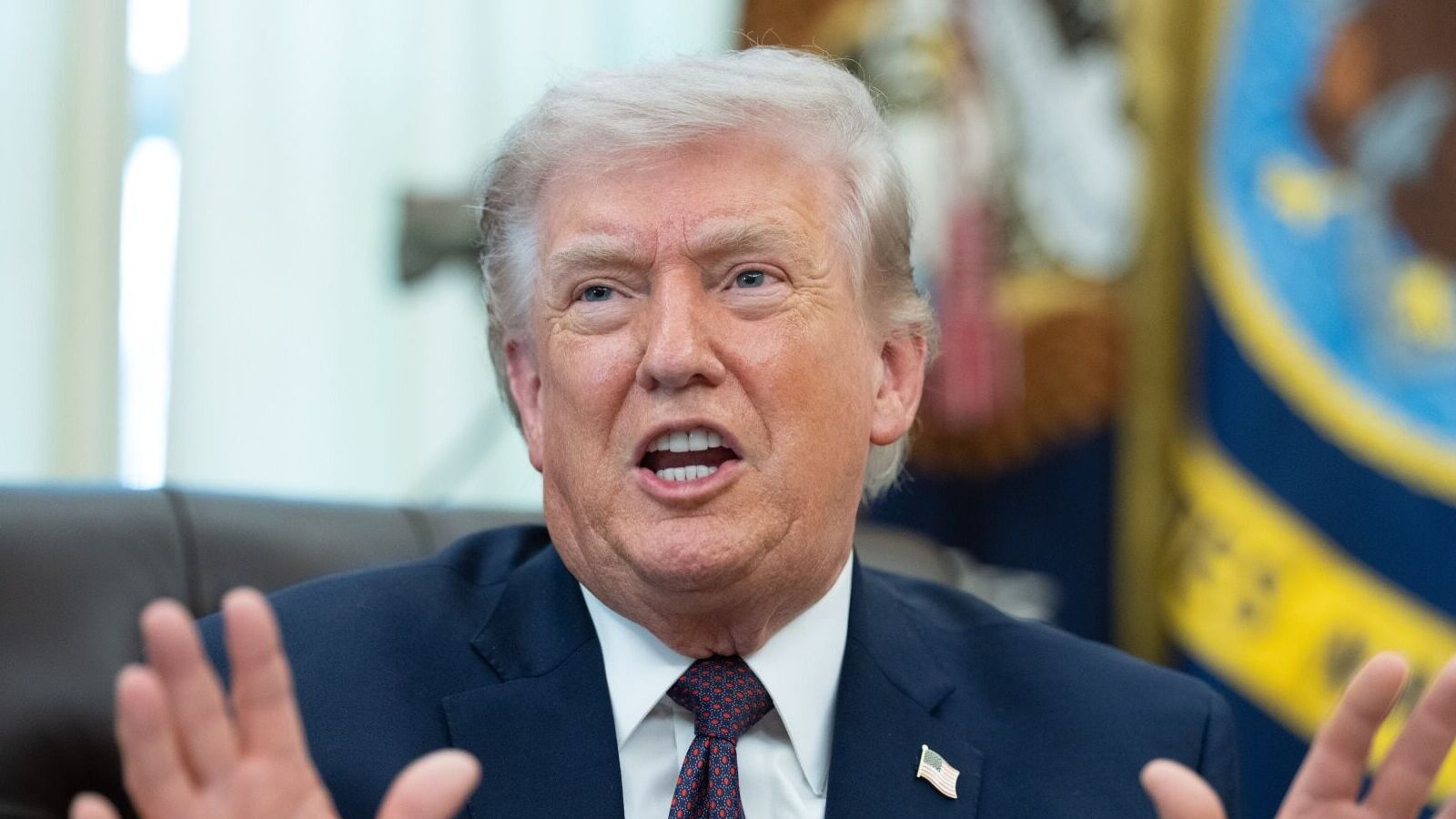
    Trump’s warning to Iran is a provocative and unofficial declaration, as he is no longer in office and lacks the authority to carry out such actions. The statement, which reads “Tuesday will be Power Plant Day, and Bridge Day, all wrapped up in one, in Iran… Open the Strait… or you’ll be living in Hell,” is a clear threat of military action against Iranian infrastructure. The mention of specific targets, including power plants and bridges, suggests that Trump is seeking to intimidate Iran into reopening the strait. However, it is unclear whether Trump’s statement reflects the views of the current US administration or is simply a personal opinion.

    ## Potential Consequences of US Strikes
    The potential consequences of US strikes on Iranian power plants and bridges would be severe and far-reaching. Such actions would likely lead to significant humanitarian suffering, including power outages, disruptions to essential services, and potential loss of life. The strikes would also have significant economic implications, including damage to Iran’s infrastructure, reduced economic activity, and potential instability in the region. Furthermore, US strikes would likely be seen as an act of aggression, potentially triggering a wider conflict in the Middle East and drawing in other nations.

    ## International Response to Trump’s Warning
    The international community has responded to Trump’s warning with a mix of concern and skepticism. Many nations, including European allies, have urged restraint and called for a peaceful resolution to the crisis. The Iranian government has also responded, with officials dismissing Trump’s warning as a “baseless threat” and vowing to defend the nation’s interests. The United Nations has also weighed in, calling for calm and urging all parties to avoid actions that could escalate the situation.

    ## Conclusion: A Path Forward
    In conclusion, Trump’s warning to Iran has added to the complexity and tension of the Middle East crisis. While the former President’s statement is unofficial and lacks authority, it has sparked widespread concern and debate about the potential consequences of US strikes on Iranian power plants and bridges. As the situation continues to unfold, it is essential for all parties to exercise restraint and seek a peaceful resolution to the crisis. The international community must work together to find a solution that addresses the concerns of all nations involved, while avoiding actions that could lead to further instability and conflict. The world watches with bated breath as the situation in the Middle East continues to evolve, hoping that diplomacy and dialogue will prevail over aggression and hostility.

  • Ship Passes Hormuz

    Ship Passes Hormuz

    ## Introduction to the Strait of Hormuz Incident
    A French-owned ship has successfully passed through the Strait of Hormuz, a critical waterway connecting the Persian Gulf to the Gulf of Oman. This significant event marks the first time a vessel owned by a major European company has navigated the strait since the onset of the conflict in the region. The ship’s safe passage is a notable development, indicating a potential easing of tensions in the area. The situation, however, remains complex and sensitive, with the incident being closely monitored by international observers.

    ## Background on the Conflict
    The conflict in the region has been ongoing for several years, with multiple parties involved. The Strait of Hormuz has been a focal point of tensions, with several incidents involving ships and naval vessels reported in recent years. The strait is a critical waterway, with a significant portion of the world’s oil supply passing through it. The conflict has raised concerns about the safety of navigation in the area, with many ships and shipping companies exercising caution when traversing the strait. The French-owned ship’s successful passage may indicate a shift in the dynamics of the conflict, with European firms making efforts to maintain trade and navigation in the area.

    ## The Significance of the French-owned Ship’s Passage
    The French-owned ship’s passage through the Strait of Hormuz is significant for several reasons. Firstly, it demonstrates the ability of European firms to navigate the strait safely, despite the ongoing conflict. This may encourage other shipping companies to follow suit, potentially leading to an increase in trade and navigation in the area. Secondly, the incident highlights the efforts of European firms to maintain a presence in the region, despite the challenges posed by the conflict. This may be seen as a positive development, indicating a potential easing of tensions and a return to normalcy in the area.

    ## International Reactions to the Incident
    The international community has been closely monitoring the situation in the Strait of Hormuz, with many countries expressing concern about the safety of navigation in the area. The French-owned ship’s successful passage has been welcomed by many, with some seeing it as a positive development in the region. However, others have expressed caution, noting that the situation remains complex and sensitive. The United States, in particular, has been watching the situation closely, with the US Navy maintaining a significant presence in the area. The European Union has also been monitoring the situation, with the EU’s foreign policy chief calling for a peaceful resolution to the conflict.

    ## Economic Implications of the Incident
    The French-owned ship’s passage through the Strait of Hormuz has significant economic implications. The strait is a critical waterway, with a significant portion of the world’s oil supply passing through it. Any disruption to navigation in the area could have major economic consequences, including increased oil prices and decreased trade. The successful passage of the French-owned ship may indicate a reduction in the risk of disruption, potentially leading to increased trade and economic activity in the area. This could have positive implications for the global economy, with many countries relying on the strait for the transportation of oil and other goods.

    ## Conclusion
    In conclusion, the French-owned ship’s successful passage through the Strait of Hormuz is a significant development, indicating a potential easing of tensions in the region. The incident highlights the ongoing efforts of European firms to maintain trade and navigation in the area, despite the challenges posed by the conflict. While the situation remains complex and sensitive, the French-owned ship’s safe passage may be seen as a positive development, potentially leading to increased trade and economic activity in the area. The international community will continue to monitor the situation closely, with many countries watching for any signs of further developments in the region. As the situation continues to evolve, one thing is clear: the French-owned ship’s passage through the Strait of Hormuz is a significant event that will have far-reaching implications for the region and the global economy.