
Introduction to the Problem
The technology industry is known for its rapid advancements and innovations, but it seems to have repeated a familiar pattern with the introduction of USB-C. This new connector has mirrored the complexities of HDMI, leaving consumers to navigate a intricate system of multiple protocols and compatibility issues. Despite learning from the HDMI experience, the industry has recreated a similarly intricate system, albeit with a smaller connector. This has led to a comparable level of confusion, with many consumers struggling to understand the differences between various USB-C cables and devices.
The HDMI Precedent
HDMI, or High-Definition Multimedia Interface, was introduced in 2003 as a digital connector for audio and video signals. Initially, it was meant to simplify the connection process between devices, but it eventually evolved into a complex system with multiple versions and protocols. The different versions of HDMI, such as 1.4, 2.0, and 2.1, each had its own set of features and capabilities, leading to confusion among consumers. Additionally, the introduction of new protocols like ARC (Audio Return Channel) and eARC (enhanced Audio Return Channel) further complicated the landscape. The industry’s attempt to improve upon the past ultimately resulted in a system that was difficult for consumers to navigate.
The USB-C Conundrum
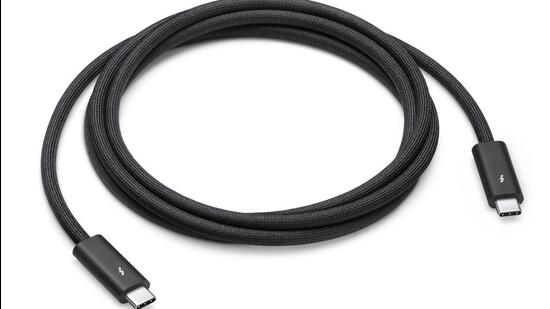
Fast-forward to the present, and the industry has repeated a similar pattern with USB-C. This new connector was introduced as a smaller, more versatile alternative to traditional USB ports. However, it has also become a complex system with multiple protocols and compatibility issues. USB-C can support various protocols like USB 3.2, Thunderbolt 3, and DisplayPort, each with its own set of features and capabilities. Moreover, the introduction of new technologies like USB4 and Thunderbolt 4 has further complicated the landscape. Consumers are now faced with a plethora of USB-C cables and devices, each with its own set of specifications and limitations.
Compatibility Issues and Consumer Confusion
The complexity of USB-C has led to a significant amount of consumer confusion. Many consumers are unsure about which USB-C cables and devices are compatible with their systems, leading to frustration and disappointment. The lack of standardization in the industry has resulted in a Wild West scenario, where consumers are forced to navigate a complex landscape of different protocols and specifications. Furthermore, the small size of the USB-C connector has made it difficult for consumers to distinguish between different types of cables and devices. This has led to a situation where consumers are often forced to rely on trial and error, rather than being able to make informed purchasing decisions.
The Need for Standardization
The repetition of the HDMI experience with USB-C highlights the need for standardization in the technology industry. Consumers should not have to navigate a complex landscape of different protocols and specifications in order to use their devices. The industry should work towards creating a more streamlined and standardized system, where consumers can easily understand the differences between various devices and cables. This can be achieved through better labeling and documentation, as well as the establishment of clear industry standards. By working together, the industry can create a more user-friendly experience for consumers and avoid the confusion and frustration that has accompanied the introduction of USB-C.
Conclusion
In conclusion, the technology industry has repeated a familiar pattern with USB-C, mirroring the complexities of HDMI. Despite learning from the past, the industry has recreated a similarly intricate system, albeit with a smaller connector. The resulting confusion and frustration among consumers highlights the need for standardization in the industry. By working towards a more streamlined and standardized system, the industry can create a better user experience for consumers and avoid the mistakes of the past. Ultimately, it is up to the industry to learn from its mistakes and create a more user-friendly experience for consumers, rather than simply repeating the same patterns of complexity and confusion.