
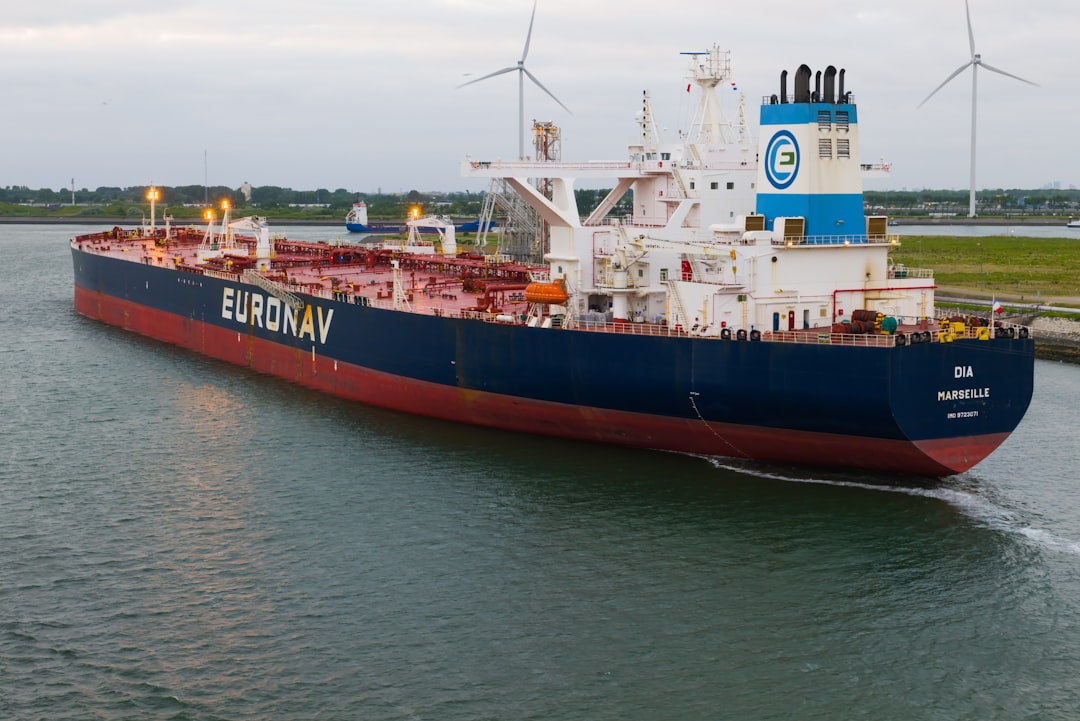
**Will the IEA’s Warning Spark a Global Fuel Crisis?**
The International Energy Agency (IEA) has sounded the alarm, warning that the world may face a sharp decline in oil production, potentially leading to a global fuel crisis. The agency’s dire prediction comes as many countries, including the US, are experiencing low oil inventory levels, with the global oil stockpile falling to a 35-year low.
**TL;DR:**
* The International Energy Agency (IEA) warns of a sharp decline in oil production, potentially leading to a global fuel crisis.
* The global oil stockpile has fallen to a 35-year low, with many countries experiencing low oil inventory levels.
* The shortage of available oil could lead to price increases, with severe consequences for the global economy.
**What Happened**
The IEA’s warning is based on its latest analysis of the global oil market, which reveals a stark reality. The agency notes that the world’s oil producers are struggling to keep pace with rising demand, leading to a significant decline in oil inventory levels. In the US, for example, oil inventory levels have fallen to their lowest level in over 20 years, while globally the oil stockpile has plummeted to its lowest level in 35 years. This shortage of available oil is expected to lead to price increases, which could have severe consequences for the global economy.
The IEA’s warning is not just a prediction, but a call to action. The agency is urging countries to work together to address the issue and prevent a fuel crisis. This could involve increasing oil production, improving energy efficiency, and investing in alternative energy sources. The IEA is also warning that the consequences of inaction could be severe, including price shocks, economic instability, and even social unrest.
**Why It Matters**
The IEA’s warning highlights the need for countries to take immediate action to address the global oil shortage. The consequences of inaction could be severe, with price increases, economic instability, and social unrest all possible outcomes. The IEA’s warning also highlights the need for countries to work together to address the issue, rather than relying on individual country solutions. This could involve coordination on oil production, trade, and energy policy, as well as investment in alternative energy sources.
The IEA’s warning also has significant implications for the global economy. The price increases and economic instability that could result from a fuel crisis could have severe consequences for businesses and consumers alike. The IEA is warning that the global economy could be plunged into recession if a fuel crisis is not addressed.
**Key Reactions / Quotes**
The IEA’s warning has sparked a range of reactions from governments, businesses, and experts around the world. “The IEA’s warning is a wake-up call for governments and businesses to take immediate action to address the global oil shortage,” said a spokesperson for the agency. “We need to work together to prevent a fuel crisis and protect the global economy.”
In the US, the Energy Information Administration (EIA) has echoed the IEA’s warning, stating that the country’s oil inventory levels are at their lowest level in over 20 years. “The IEA’s warning highlights the need for the US to increase its oil production and improve energy efficiency,” said a spokesperson for the EIA.
**What’s Next**
The IEA’s warning has sparked a range of calls to action, from governments, businesses, and experts around the world. The agency is urging countries to work together to address the issue and prevent a fuel crisis. This could involve increasing oil production, improving energy efficiency, and investing in alternative energy sources.
In the US, the Biden administration has announced plans to increase oil production and improve energy efficiency. The administration has also called on Congress to pass legislation to support the development of alternative energy sources.
In conclusion, the IEA’s warning of a global fuel crisis is a stark reminder of the need for countries to work together to address the issue. The consequences of inaction could be severe, with price increases, economic instability, and social unrest all possible outcomes. The IEA’s warning highlights the need for immediate action to prevent a fuel crisis and protect the global economy.