
**Why Iran’s Hormuz Blockade Could Spark Devastating Strikes: New Deadline Looms**
Iran’s military has been amassing forces near the strategic Hormuz Strait, a waterway that connects the Persian Gulf to the Gulf of Oman and is a critical chokepoint for global oil shipments, with over 20% of the world’s oil passing through it. Tensions have been escalating, and with a new deadline looming, the world is on high alert, as a potential blockade could spark devastating strikes and have far-reaching consequences.
**TL;DR:**
* **Iran’s military is amassing forces near the Hormuz Strait, a critical chokepoint for global oil shipments.**
* **A potential blockade could disrupt over 20% of the world’s oil supply, causing widespread economic disruption.**
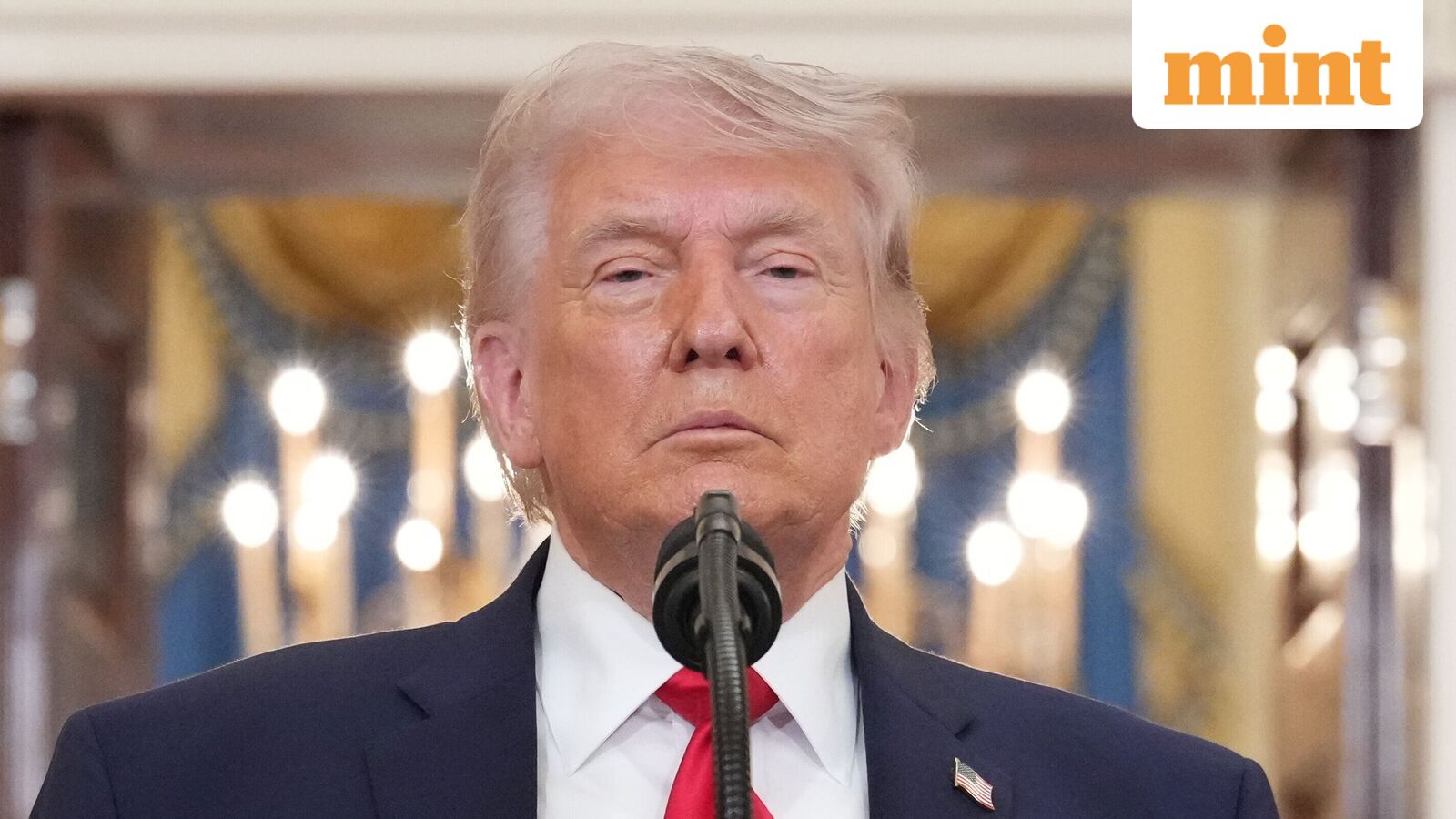
* **US President Trump is adopting a dual strategy, open to a deal with Iran while maintaining the threat of a massive military strike.**
**What Happened**
The situation in the Hormuz Strait has been escalating for weeks, with the US and its allies accusing Iran of attempting to disrupt global oil supplies by threatening to blockade the waterway. Iran has denied any such plans, but the buildup of its military forces near the strait has raised concerns among regional powers and global traders. The US has responded by deploying additional naval assets to the region, including a carrier strike group and a guided-missile destroyer.
According to reports, the Iranian military has been moving troops and equipment to the region, including long-range missile systems and naval vessels. The country has also threatened to close the Hormuz Strait, which would have a devastating impact on global oil markets. The Strait is a critical shipping lane, with over 20% of the world’s oil passing through it every day.
**Why It Matters**
The potential blockade of the Hormuz Strait has significant implications for the global economy, particularly for oil-producing countries and major energy consumers. A disruption to oil supplies could lead to a sharp increase in prices, causing widespread economic disruption and instability. The impact would be felt across multiple sectors, including energy, transportation, and manufacturing.
The Hormuz Strait is also a critical waterway for international trade, with over 40% of the world’s seaborne oil exports passing through it. A blockade would have a devastating impact on the global economy, leading to significant losses for major trading nations, including the US, China, and Japan.
**Key Reactions / Quotes**
“We are committed to ensuring the free flow of oil through the Hormuz Strait,” said US Secretary of State Mike Pompeo, in a statement released earlier this week. “We will not allow Iran to disrupt global oil supplies or threaten regional stability.”
Iran’s Foreign Minister, Javad Zarif, responded by saying, “The US is trying to create a false narrative about Iran’s intentions, but we will not be intimidated by threats or aggression.”
**What’s Next**
As the deadline looms, the world is on high alert, with tensions building between the US and Iran. The situation is precarious, and a miscalculation could lead to devastating consequences. The next few hours will decide whether diplomatic efforts prevail or conflict intensifies.
The US is maintaining a dual strategy, open to a deal with Iran while maintaining the threat of a massive military strike. The approach has created a critical situation, where the outcome remains uncertain, and the stakes are high.
In the coming hours, the international community will be watching closely for any developments in the Hormuz Strait. A potential blockade could spark devastating strikes, and the consequences would be far-reaching. The world is holding its breath, waiting to see how the situation unfolds.
**Conclusion**
The situation in the Hormuz Strait is precarious, with tensions escalating and a deadline looming. The potential blockade of the waterway could spark devastating strikes and have far-reaching consequences for the global economy. The world is waiting with bated breath for any developments, and the outcome remains uncertain. As the deadline looms, one thing is clear: a miscalculation could lead to devastating consequences, and the stakes are high.