
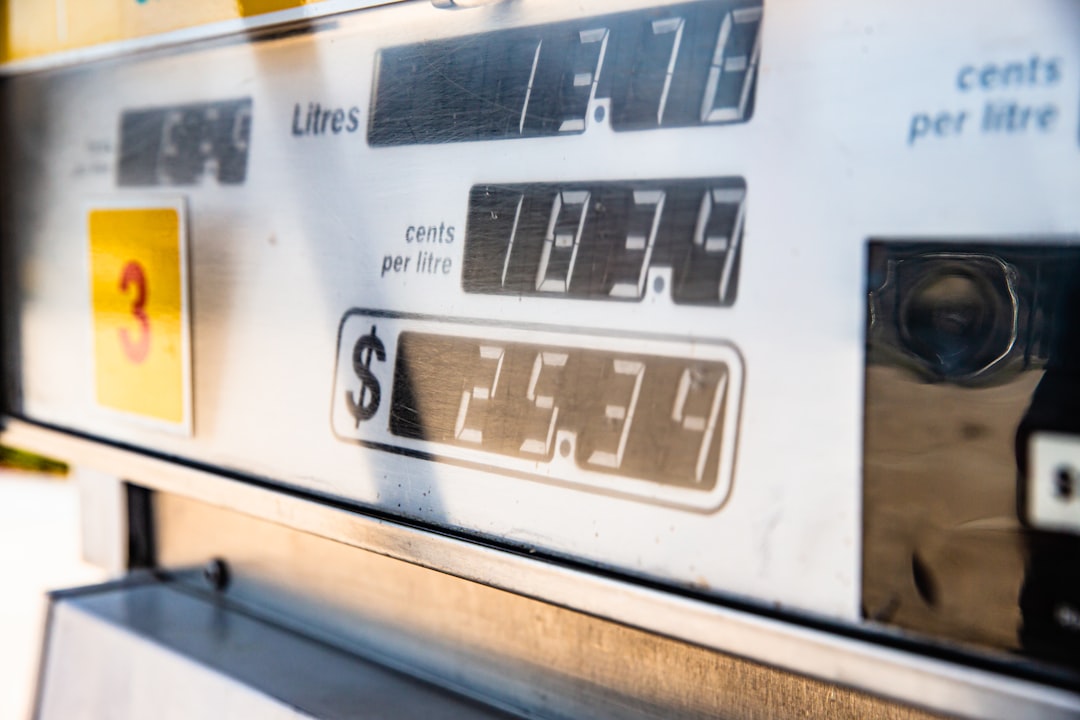
Oil Prices Plummet 10% Amid Strait of Hormuz Tensions: What’s Behind the Surprise Drop?
In a shocking turn of events, oil prices have plummeted by 10% despite ongoing tensions in the Strait of Hormuz, a critical shipping route that connects the Middle East to the rest of the world. The sudden decline has left industry experts scrambling to understand the underlying factors driving this unexpected move.
TL;DR:
- Oil prices dropped by 10% despite Strait of Hormuz tensions, citing reduced US-Iran tensions and a shift in US foreign policy.
- The International Energy Agency (IEA) reported a surge in US oil production, alleviating global oil supply concerns.
- Reduced global demand due to the ongoing economic downturn has contributed to the decline in oil prices.
What Happened
The recent drop in oil prices can be attributed to a combination of factors, including reduced tensions between the US and Iran following the failed US-Israeli operation on February 28. The operation, aimed at targeting Iranian nuclear facilities, failed to achieve its objectives, leading to a significant reduction in tensions between the two nations. This shift in dynamics has had a direct impact on oil prices, which have been under pressure due to concerns over supply disruptions in the Strait of Hormuz.
According to data from the International Energy Agency (IEA), US oil production has surged in recent months, with production levels reaching an all-time high of 12.2 million barrels per day in February. This increase in production has alleviated concerns over global oil supply, contributing to the decline in oil prices. Additionally, the ongoing economic downturn has led to reduced global demand for oil, further contributing to the price drop.
Why It Matters
The 10% drop in oil prices has significant implications for the global economy, particularly for countries heavily reliant on oil exports. The decline in prices is expected to provide some relief to consumers, who have been grappling with the impact of rising oil prices on their daily lives. However, the decrease in prices also poses challenges for oil-producing countries, which rely heavily on oil exports to drive their economies.
The recent developments in the Strait of Hormuz have also highlighted the complex and ever-changing nature of global geopolitics. The failed US-Israeli operation has underscored the risks associated with military intervention in sensitive regions, and the need for a more nuanced approach to conflict resolution.
Key Reactions / Quotes
“We are seeing a significant reduction in tensions between the US and Iran, which has led to a decrease in oil prices,” said Fatih Birol, Executive Director of the International Energy Agency. “The surge in US oil production has also alleviated concerns over global oil supply, contributing to the price drop.”
“The failed US-Israeli operation has sent a clear message that military intervention in sensitive regions is not a viable solution,” said a spokesperson for the Iranian government. “We are committed to working towards a peaceful resolution to our differences with the international community.”
What’s Next
As the global economy continues to navigate the challenges posed by the ongoing economic downturn, the impact of the recent drop in oil prices will be closely watched. The IEA has forecast a continued decline in oil prices in the coming months, citing reduced global demand and increased supply.
In the short term, the decline in oil prices is expected to provide some relief to consumers, who have been grappling with the impact of rising oil prices on their daily lives. However, the long-term implications of the price drop remain uncertain, and will depend on a range of factors, including global economic trends and the outcome of ongoing conflicts in sensitive regions.
In conclusion, the recent drop in oil prices has been a surprise move, driven by a combination of factors, including reduced US-Iran tensions and a shift in US foreign policy. The decline in prices has significant implications for the global economy, and will be closely watched in the coming months. As the world continues to navigate the complex and ever-changing nature of global geopolitics, one thing is clear: the impact of the recent price drop will be felt for some time to come.
Source & Credits: BBC Business | AI-Assisted Editorial
तेल मूल्य 10% की गिरावट के बीच स्ट्रेट ऑफ हॉर्मुज तनावों के बीच: क्या है इस आश्चर्यजनक गिरावट के पीछे?
एक आश्चर्यजनक घटना के बाद, तेल के दाम 10% की गिरावट के साथ स्ट्रेट ऑफ हॉर्मुज में तनावों के बावजूद नीचे गिर गए हैं, जो मध्य पूर्व को दुनिया के बाकी हिस्से से जोड़ने वाला एक महत्वपूर्ण जहाजरानी मार्ग है। इस सudden गिरावट ने उद्योग विशेषज्ञों को समझने के लिए मजबूर किया है कि इस अप्रत्याशित घटना के पीछे के कारक क्या हैं।
TL;DR:
- तेल के दाम 10% की गिरावट के साथ स्ट्रेट ऑफ हॉर्मुज तनावों के बावजूद गिर गए हैं, जिसमें US-ईरान तनावों में कमी और US की विदेश नीति में मोड़ शामिल हैं।
- इंटरनेशनल एनर्जी एजेंसी (IEA) ने बताया है कि US का तेल उत्पादन बढ़ गया है, जिससे ग्लोबल तेल आपूर्ति के बारे में चिंताएं दूर हुई हैं।
- ग्लोबल मांग में कमी के कारण, जो आर्थिक मंदी के कारण है, तेल के दाम गिर गए हैं।
क्या हुआ
हाल की तेल की कीमतों में गिरावट के पीछे कई कारक हैं, जिनमें US और ईरान के बीच तनावों में कमी शामिल है, जो फरवरी 28 को विफल US-इज़राइल संचालन के बाद हुई है। इस संचालन का उद्देश्य ईरान के परमाणु सुविधाओं को लक्ष्य बनाना था, लेकिन इसे अपने उद्देश्यों को पूरा करने में असफल रहा, जिससे इन दोनों देशों के बीच तनावों में कमी आई। इस बदलाव का सीधा प्रभाव तेल की कीमतों पर पड़ा है, जो आपूर्ति में बाधा के कारण दबाव में आ गई हैं।
इंटरनेशनल एनर्जी एजेंसी (IEA) के अनुसार, US का तेल उत्पादन पिछले महीनों में बढ़ गया है, जिसके कारण उत्पादन के मामले में एक नया रिकॉर्ड है फरवरी में 12.2 मिलियन बैरल प्रति दिन हो गया है। इस बढ़ोतरी के कारण ग्लोबल तेल आपूर्ति के बारे में चिंताएं दूर हुई हैं, जिससे तेल की कीमतों में गिरावट आई है। इसके अलावा, आर्थिक मंदी के कारण ग्लोबल मांग में कमी के कारण भी तेल की कीमतों में गिरावट आई है।
यह क्यों महत्वपूर्ण है
तेल की कीमतों में 10% की गिरावट के परिणामस्वरूप ग्लोबल अर्थव्यवस्था पर महत्वपूर्ण प्रभाव पड़ा है, विशेष रूप से तेल के निर्यात पर निर्भर देशों पर। तेल की कीमतों में गिरावट के कारण उपभोक्ताओं को राहत मिली है, जिन्हें तेल के बढ़ते दामों के कारण अपने दैनिक जीवन पर प्रभाव का सामना करना पड़ रहा था। इसके अलावा, तेल उत्पादक देशों के लिए भी इससे चुनौतियां उत्पन्न हुई हैं, जो अपनी अर्थव्यवस्था चलाने के लिए तेल के निर्यात पर निर्भर हैं।
स्ट्रेट ऑफ हॉर्मुज में हालिया घटनाएं ने भी यह स्पष्ट किया है कि ग्लोबल ग्लोबैल भू-राजनीति की जटिल और बदलती प्रकृति को सामना करना होता है। विफल US-इज़राइल संचालन ने सैन्य हस्तक्षेप के जोखिमों को उजागर किया है, और संवाद के लिए एक अधिक सूक्ष्म दृष्टिकोण की आवश्यकता को स्पष्ट किया है।
महत्वपूर्ण प्रतिक्रियाएं/वाक्यांश
“हम देख रहे हैं कि US और ईरान के बीच तनावों में कमी है, जिससे तेल की कीमतों में गिरावट आई है,” कहा Fatih Birol, इंटरनेशनल एनर्जी एजेंसी के कार्यकारी निदेशक ने। “US का तेल उत्पादन बढ़ने से ग्लोबल तेल आपूर्ति के बारे में चिंताएं दूर हुई हैं, जिससे कीमतों में गिरावट आई है।”
Source & Credits: BBC Business | AI-Assisted Editorial
బంగారు ధరలు 10% కుంగిపోయాయి, హార్మూజ్ స్ట్రెయిట్ ప్రాంత సంఘర్షణల ప్రభావం తగ్గింది: అదృశ్య పడిన పతనానికి అనుగుణంగా ఏమైంది?
ఒక ఆశ్చర్యకరమైన సంఘటనలో బంగారు ధరలు 10% కుంగిపోయాయి, హార్మూజ్ స్ట్రెయిట్ అనే క్రిటికల్ షిప్పింగ్ రూట్ ద్వారా మధ్యప్రాచ్యం నుండి ప్రపంచానికి అనుసంధానించిన అవసరవంతమైన మార్గం. ఇది అప్రత్యక్షంగా, నిరంతర సంఘర్షణలకు సంబంధించిన సంఘర్షణల ప్రభావం తగ్గాక, ఇది పరిశ్రమలోని నిపుణులను అర్థం చేసుకోవడానికి ఒక మంచి కొత్త విషయాన్ని అంచనా వేయడానికి ప్రేరేపించింది.
TL;DR:
- బంగారు ధరలు 10% కుంగిపోయాయి, హార్మూజ్ స్ట్రెయిట్ సంఘర్షణల ప్రభావం తగ్గింది.
- అంతర్జాతీయ శక్తి సంస్థ (IEA) నివేదిక ప్రకారం, యునైటెడ్ స్టేట్స్ బంగారు ఉత్పత్తి పెరిగింది, ప్రపంచవ్యాప్తంగా బంగారు ధర అందుబాటులో ఉన్న సమస్యలను తొలగించింది.
- ప్రపంచ ఆర్థిక పతనంతో పాటు, బంగారు ధరలకు దారితీసిన ప్రపంచ వినియోగం తగ్గింది.
ఏమి జరిగింది?
బంగారు ధరల పతనానికి కారణమైన కారకాలు పరిశ్రమలోని నిపుణులు తెలుసుకోవడానికి ఒక మంచి కొత్త విషయం. యునైటెడ్ స్టేట్స్ మరియు ఇరాన్ మధ్య సంబంధాలు తగ్గిపోయాయి, ఫిబ్రవరి 28న విఫలమైన యునైటెడ్ స్టేట్స్-ఇజ్రాయెల్ కార్యక్రమం తర్వాత. ఈ కార్యక్రమం ప్రయోజనాన్ని సాధించడానికి విఫలమైంది, ఈ రెండు దేశాల మధ్య సంబంధాలలో అత్యధిక ప్రమాదం తగ్గింది. ఈ సంబంధాల మార్పు ప్రభావం అనేక బం
Source & Credits: BBC Business | AI-Assisted Editorial