
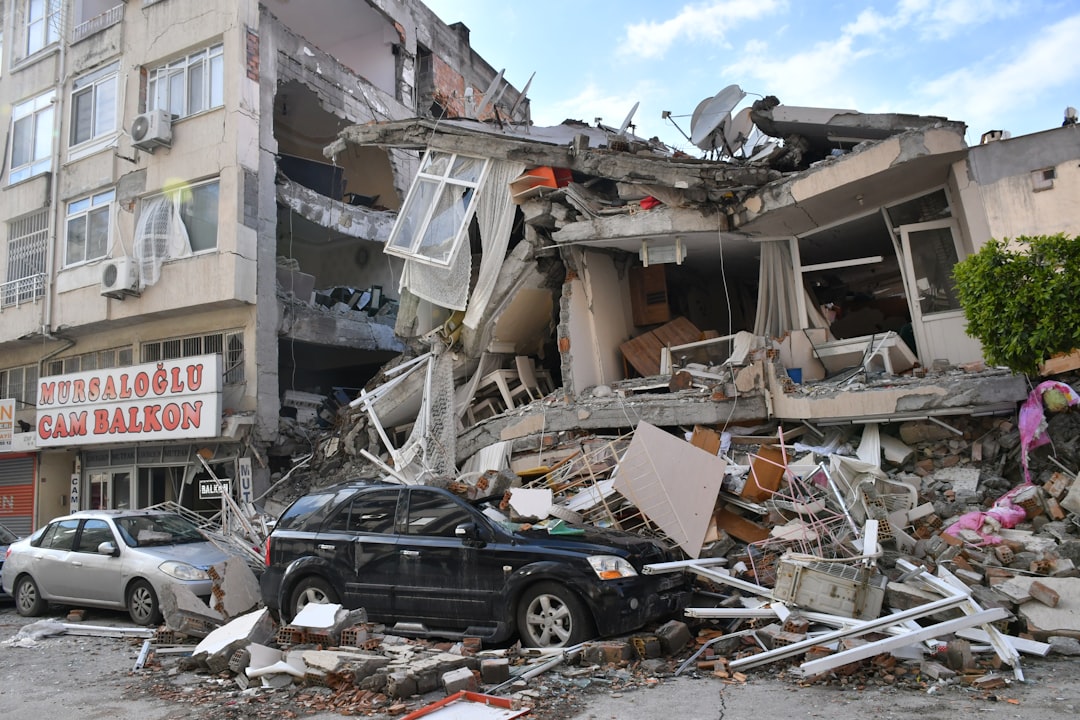
A 5.6 magnitude earthquake struck Bhutan, causing tremors in neighboring Indian regions of Sikkim and West Bengal, with the quake’s impact felt as far as 200 kilometers away from its epicenter. Fortunately, authorities reported no immediate loss of life, injuries, or property damage in the affected areas, with over 500 rescue personnel deployed to assess the situation and provide assistance.
• The 5.6 magnitude earthquake occurred at a depth of 10 kilometers, with its epicenter located in the southern region of Bhutan.• The quake’s impact was felt in neighboring Indian regions, including Sikkim and West Bengal, with tremors reported in several districts.• Authorities reported no immediate loss of life, injuries, or property damage, with rescue personnel deployed to assess the situation and provide assistance.
H2: What Happened
The earthquake struck Bhutan at 5:30 AM local time, with the Indian National Seismological Network reporting the quake’s magnitude and epicenter. The quake’s impact was felt across the border, with residents in Sikkim and West Bengal reporting tremors and shaking. The earthquake was followed by several aftershocks, with the largest measuring 3.5 in magnitude. Authorities quickly responded to the situation, with rescue teams deployed to assess the damage and provide assistance to affected residents.
H2: Why It Matters
The earthquake highlights the region’s seismic vulnerability, with the Himalayan region prone to earthquakes due to its location on the boundary between the Indian and Eurasian tectonic plates. The region has experienced several significant earthquakes in recent years, including a 6.8 magnitude quake in 2011 that caused widespread damage and loss of life. The lack of damage from the recent quake is a relief, but it serves as a reminder of the importance of earthquake preparedness and disaster management in the region. Authorities must continue to invest in disaster mitigation and preparedness measures, including early warning systems and evacuation drills, to minimize the impact of future earthquakes.
H2: Key Reactions / Quotes
“We are closely monitoring the situation and are in touch with authorities in Bhutan and India to assess the damage and provide assistance,” said a spokesperson for the Indian Ministry of Home Affairs. “We are relieved that there have been no reports of loss of life or injuries, but we recognize the importance of continued vigilance and preparedness in the face of seismic activity.” The Bhutanese government also issued a statement, saying that “the situation is under control and we are working closely with Indian authorities to assess the damage and provide assistance to affected residents.”
H2: What’s Next
Authorities will continue to monitor the situation, with rescue teams on standby to respond to any further aftershocks or developments. The Indian government has also announced plans to conduct a thorough assessment of the region’s seismic vulnerability, with a focus on identifying areas at high risk of earthquake damage. The assessment will inform future disaster mitigation and preparedness measures, including the development of early warning systems and evacuation drills. In the meantime, residents in the affected areas have been advised to remain vigilant and to take necessary precautions to ensure their safety.
In conclusion, the 5.6 magnitude earthquake that struck Bhutan and caused tremors in neighboring Indian regions serves as a reminder of the importance of earthquake preparedness and disaster management in the region. While the lack of damage is a relief, authorities must continue to invest in disaster mitigation and preparedness measures to minimize the impact of future earthquakes. With the region’s seismic vulnerability a ongoing concern, it is essential that authorities and residents remain vigilant and take necessary precautions to ensure their safety. The Indian government’s plans to conduct a thorough assessment of the region’s seismic vulnerability are a positive step, and will inform future disaster mitigation and preparedness measures.
Source & Credits: LiveMint | AI-Assisted Editorial
भूकंप की स्थिति
भूटान में ५.६ तीव्रता का भूकंप आया, जिसके कारण सिक्किम और पश्चिम बंगाल जैसे पड़ोसी भारतीय क्षेत्रों में भूकंप के झटके महसूस किए गए, और इसका प्रभाव इसके केंद्र से २०० किलोमीटर दूर तक महसूस किया गया। सौभाग्य से, अधिकारियों ने प्रभावित क्षेत्रों में तत्काल जीवन, चोट या संपत्ति की क्षति की कोई रिपोर्ट नहीं दी, जिसमें स्थिति का आकलन करने और सहायता प्रदान करने के लिए ५०० से अधिक बचाव कर्मियों को तैनात किया गया है।
• ५.६ तीव्रता का भूकंप १० किलोमीटर की गहराई पर आया, जिसका केंद्र भूटान के दक्षिणी क्षेत्र में स्थित था।• भूकंप का प्रभाव पड़ोसी भारतीय क्षेत्रों में, जिनमें सिक्किम और पश्चिम बंगाल शामिल हैं, में महसूस किया गया, जिसमें कई जिलों में झटके महसूस किए गए।• अधिकारियों ने तत्काल जीवन, चोट या संपत्ति की क्षति की कोई रिपोर्ट नहीं दी, जिसमें स्थिति का आकलन करने और सहायता प्रदान करने के लिए बचाव कर्मियों को तैनात किया गया है।
क्या हुआ
भूकंप भूटान में स्थानीय समय ५:३० बजे आया, जिसमें भारतीय राष्ट्रीय भूकंप नेटवर्क ने भूकंप की तीव्रता और केंद्र की रिपोर्ट की। भूकंप का प्रभाव सीमा पार करने वाले क्षेत्रों में महसूस किया गया, जिसमें सिक्किम और पश्चिम बंगाल के निवासियों ने झटके और हिलाने की रिपोर्ट की। भूकंप के बाद कई आफ्टरशॉक्स आए, जिनमें से सबसे बड़ा ३.५ तीव्रता का था। अधिकारियों ने जल्दी से स्थिति का जवाब दिया, जिसमें बचाव दलों को नुकसान का आकलन करने और प्रभावित निवासियों को सहायता प्रदान करने के लिए तैनात किया गया।
इसका महत्व
भूकंप इस क्षेत्र की भूकंपीय कमजोरी को उजागर करता है, जिसमें हिमालय क्षेत्र भारतीय और यूरेशियन टेक्टोनिक प्लेटों की सीमा पर स्थित होने के कारण भूकंपों के लिए अतिसंवेदनशील है। इस क्षेत्र में हाल के वर्षों में कई महत्वपूर्ण भूकंप आए हैं, जिनमें २०११ में ६.८ तीव्रता का भूकंप शामिल है, जिसने व्यापक नुकसान और जीवन की हानि का कारण बना। हाल के भूकंप से नुकसान की कमी एक राहत है, लेकिन यह भूकंप की तैयारी और आपदा प्रबंधन के महत्व की याद दिलाता है। अधिकारियों को आगे के भूकंपों के प्रभाव को कम करने के लिए आपदा मिटिगेशन और तैयारी उपायों में, जिनमें प्रारंभिक चेतावनी प्रणाली और निकासी ड्रिल शामिल हैं, में निवेश करना जारी रखना चाहिए।
प्रमुख प्रतिक्रियाएं / उद्धरण
“हम स्थिति की निगरानी कर रहे हैं और भूटान और भारत के अधिकारियों के साथ संपर्क में हैं ताकि नुकसान का आकलन किया जा सके और सहायता प्रदान की जा सके,” भारतीय गृह मंत्रालय के एक प्रवक्ता ने कहा। “हमें यह देखकर राहत मिली है कि जीवन या चोट की कोई रिपोर्ट नहीं है, लेकिन हम भूकंपीय गतिविधि के सामने सतर्कता और तैयारी के महत्व को पहचानते हैं।” भूटान सरकार ने भी एक बयान जारी किया, जिसमें कहा गया है कि “स्थिति नियंत्रण में है और हम भारतीय अधिकारियों के साथ मिलकर नुकसान का आकलन करने और प्रभावित निवासियों को सहायता प्रदान करने के लिए काम कर रहे हैं।”
आगे क्या होगा
अधिकारी स्थिति की निगरानी करेंगे, जिसमें आगे के आफ्टरशॉक्स या घटनाओं के लिए तैयार रहने के लिए बचाव दल तैनात किए जाएंगे। भारत सरकार ने भी क्षेत्र की भूकंपीय कमजोरी का विस्तृत आकलन करने की योजना की घोषणा की है,
Source & Credits: LiveMint | AI-Assisted Editorial
భూకంపం ప్రభావం
హెచ్2: ఏమి జరిగింది
భూకంపం బూటాన్లో 5:30 గంటల స్థానిక సమయంలో సంభవించిందని భారతీయ జాతీయ భౌగోళిక శాస్త్ర నెట్వర్క్ నివేదించింది. ఈ భూకంపం యొక్క ప్రభావం సరిహద్దు వెంట ఉన్న భారతీయ రాష్ట్రాలైన సిక్కిం మరియు పశ్చిమ బెంగాల్లో కూడా గమనించబడింది. ఈ భూకంపానికి అనుగుణంగా తరువాత అనేక పరిణామిక భూకంపాలు సంభవించాయి. అత్యంత పెద్ద భూకంపంలో ఈ భూకంపం యొక్క సైజులో 3.5 గుర్తించబడింది. ఈ భూకంపం తరువాత అధికారులు ప్రయత్నించారు. అవి దుర్భాషలు లేకుండా తీవ్ర నష్టాలు లేకుండా ఉండేలా చూసుకోవటానికి రక్షణ బలగాలు పంపబడ్డాయి.
హెచ్2: ఇది ఎందుకు ముఖ్యం
ఈ భూకంపం తెరపైకి వచ్చినప్పటికీ, ఈ ప్రాంతం భూకంపాలకు ఎంత అనుకూలంగా ఉందో చూపిస్తుంది. భారతీయ తీర్థాల ప్రాంతం ఎవరాసియా మరియు భారతదేశ సంక్లిష్ట కర్షక తలాల మధ్య సరిహద్దు ఉన్నందున అక్కడ భూకంపాలు సంభవించడానికి మరియు తీవ్రమైన భూకంపాలు సంభవించడానికి ప్రమాదం ఎక్కువగా ఉంది. ఈ ప్రాంతంలో తాజా సంవత్సరాల్లో సంభవించిన ముఖ్యమైన భూకంపాల్లో సుమారుగా 6.8 స్థాయి భూకంపం 2011లో సంభవించినట్లు చెప్పవచ్చు. అయితే ఈ తాజా భూకంపం నుండి నష్టాలు లేకుండా ఉండేలా చూసుకోవటం విలువైనది. భూకంపాల నుండి ప్రేరేపించే ప్రమాదాన్ని తగ్గించడానికి భూకంపాల నుండి ముందుకు వెళ్లడం ప్రముఖ అవసరం ఎందుకంటే ఈ ప్రాంతం భూకంపాలకు ఎంత అనుకూలంగా ఉందో చూపిస్తుంది. అధికారుల
Source & Credits: LiveMint | AI-Assisted Editorial