
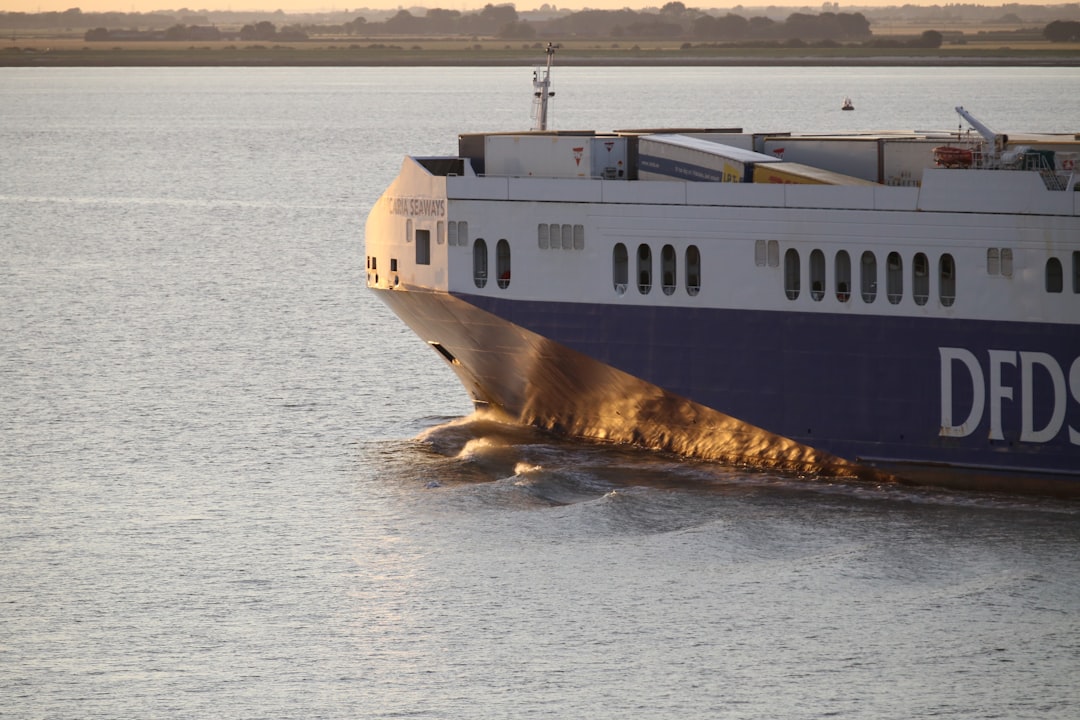
Breaking: 7+ Dead in Cyprus Ferry Crash—Tourism at Risk
A ferry bound for Turkey capsized in the Mediterranean on Thursday, leaving at least seven dead and dozens missing. The tragedy unfolded on a vessel that had departed Kyrenia with roughly 267 passengers and crew, turning a routine crossing into a maritime nightmare.
Key Takeaways
- Human toll escalates: Seven confirmed fatalities, with many more unaccounted for as rescue operations continue.
- Safety scrutiny intensifies: The incident spotlights aging fleets and lax oversight on the heavily trafficked Kyrenia‑Tasucu route.
- Tourism ripple effect: Confidence in Cyprus‑Turkey ferry links could erode, jeopardizing a seasonal revenue stream vital to both economies.
The Core Event
At approximately 14:30 local time, the ferry departing Kyrenia—a port in the Turkish‑controlled north of Cyprus—began to list heavily as it entered the open waters toward Tasucu, Turkey. Within minutes, the vessel capsized, sending passengers into the cold, churning sea. Turkish Cypriot Prime Minister Ünal Üstel confirmed the death toll in a statement relayed by Anadolu Agency, while both Cypriot and Turkish rescue teams scrambled to retrieve survivors.
Initial reports indicate that the ferry was overloaded, a claim under investigation by maritime authorities in both jurisdictions. The vessel’s age, reportedly over three decades, and its maintenance record have become focal points of the inquiry. As of the latest update, 22 people have been rescued, 7 confirmed dead, and the remainder are listed as missing pending further search efforts.
The Bigger Picture
Beyond the immediate human tragedy, the crash raises a series of systemic concerns that extend far beyond a single vessel. The Kyrenia‑Tasucu corridor is one of the busiest maritime links between the island’s north and mainland Turkey, ferrying tourists, business travelers, and migrant workers daily. Its importance is magnified by the political realities that limit direct air connections; the sea route remains a lifeline for families divided by the island’s partition and for a tourism sector that thrives on seamless cross‑border movement.
The incident forces a reckoning with a fleet that, according to the International Maritime Organization, contains a disproportionate number of vessels exceeding their designed service life. Maintenance regimes, often hampered by fragmented regulatory oversight between the Turkish Republic of Northern Cyprus (TRNC) and Turkey, have struggled to keep pace with modern safety standards. The capsizing could therefore be symptomatic of a broader neglect—a “silent erosion” of maritime safety that has been quietly accepted as a cost of convenience.
Moreover, the disaster arrives at a delicate moment for Cyprus’s tourism recovery. After a two‑year slump caused by the pandemic, the island has been counting on the summer surge to restore revenues. The ferry crash threatens to tarnish the reputation of a route that has been marketed as a scenic, hassle‑free alternative to air travel. Potential visitors may now weigh the perceived risk against the allure of Mediterranean beaches, prompting a shift toward flights or even a temporary pause in travel plans.
Market & Industry Impact
The ferry industry in the Eastern Mediterranean is a niche yet vital segment of the broader tourism and logistics ecosystem. Operators on the Kyrenia‑Tasucu line collectively account for an estimated €150 million in annual revenue, a figure that includes ticket sales, ancillary services, and cargo transport. A loss of confidence could trigger a cascade of effects:
1. Ticket price volatility: Operators may raise fares to fund urgent safety upgrades, while demand simultaneously contracts, squeezing profit margins. 2. Regulatory overhaul: Both the TRNC maritime authority and Turkey’s Directorate General of Coastal Safety are expected to launch joint inspections, potentially imposing stricter capacity limits and mandatory retrofits. 3. Competitive displacement: Airlines operating short‑haul routes between Larnaca and Istanbul could capture a share of the market, especially if ferry operators are forced to suspend services for repairs.
Insurance premiums for regional ferry operators are also likely to climb, as underwriters reassess risk exposure in light of the incident. Smaller operators, already operating on thin margins, may find the added cost prohibitive, leading to consolidation or exit from the market.
What’s Next
Authorities have announced a multi‑phase investigation that will examine three primary vectors: vessel overload, structural integrity, and crew competency. A joint commission comprising Cypriot, Turkish, and EU maritime experts will be convened within the next week, with a preliminary report expected in 30 days.
In parallel, emergency response protocols are being revised. The Cyprus Maritime Rescue Coordination Centre (CMRCC) is slated to upgrade its real‑time tracking capabilities, ensuring that future distress calls are pinpointed with greater accuracy.
On the commercial front, ferry operators have pledged to suspend the Kyrenia‑Tasucu service temporarily, pending safety certifications. The pause is expected to last at least two weeks, during which time vessels will undergo comprehensive inspections and, where necessary, be retrofitted with modern stabilization systems.
Tourism boards on both sides of the water are launching a coordinated public‑relations campaign to reassure travelers. Messaging will emphasize the rarity of such incidents, the swift mobilization of rescue teams, and the commitment to higher safety standards.
Editorial Conclusion
The capsizing of the Kyrenia‑Tasucu ferry is a stark reminder that the allure of a smooth sea crossing can mask underlying vulnerabilities. While the loss of life is an irreversible tragedy, the incident also serves as a catalyst for overdue reforms in a sector that has long operated on the edge of regulatory complacency. The coming weeks will test the resolve of maritime authorities, operators, and tourism stakeholders to transform grief into concrete safety upgrades. If they succeed, the route could emerge stronger, restoring confidence among travelers who view the Mediterranean not just as a destination, but as a conduit between cultures. Failure, however, would consign the tragedy to a cautionary footnote, and the economic ripple could reverberate far beyond the waters where the ferry went down.
Source & Credits: LiveMint | AI-Assisted Editorial
ताज़ा खबर: साइप्रस फ़ेरी दुर्घटना में 7 से अधिक मौतें—पर्यटन जोखिम में
एक फ़ेरी जो तुर्की के लिए रवाना हुई थी, गुरुवार को भूमध्य सागर में डूब गई, जिसमें कम से कम सात लोगों की मौत हुई और दर्जनों लोग लापता हैं। यह त्रासदी उस जहाज़ पर घटी, जो क्यूरिनिया से लगभग 267 यात्रियों व चालक दल के साथ रवाना हुआ था, जिससे एक सामान्य यात्रा समुद्री दुःस्वप्न में बदल गई।
मुख्य बिंदु
- मानवीय क्षति में वृद्धि: सात पुष्टि की गई मौतें, जबकि कई लोग अभी भी लापता हैं; बचाव कार्य जारी है।
- सुरक्षा पर कड़ी जाँच: यह घटना क्यूरिनिया‑तासुचु मार्ग पर पुरानी फ़्लीट और ढीली निगरानी की ओर संकेत करती है।
- पर्यटन पर प्रभाव: साइप्रस‑तुर्की फ़ेरी लिंक में भरोसा कम हो सकता है, जिससे दोनों अर्थव्यवस्थाओं के मौसमी आय स्रोत को खतरा उत्पन्न हो सकता है।
The Core Event
स्थानीय समयानुसार लगभग 14:30 बजे, क्यूरिनिया—साइप्रस के उत्तरी, तुर्की‑नियंत्रित हिस्से के एक बंदरगाह—से रवाना हुई फ़ेरी ने तासुचु, तुर्की की ओर खुली जल में प्रवेश करते ही तीव्र झुकाव दिखाया। कुछ ही मिनटों में जहाज़ उलट गया, जिससे यात्रियों को ठंडे, उथल‑पुथल वाले समुद्र में फेंक दिया गया। तुर्की साइप्रस के प्रधानमंत्री Ünal Üstel ने Anadolu Agency को भेजे बयान में मृतकों की संख्या की पुष्टि की, जबकि साइप्रस और तुर्की दोनों बचाव दल बचे हुए लोगों को निकालने के लिए जुटे।
प्रारंभिक रिपोर्टों के अनुसार, फ़ेरी में अतिभार था, जिसकी जांच दोनों क्षेत्रों की समुद्री प्राधिकरण कर रहे हैं। जहाज़ की आयु लगभग तीन दशकों से अधिक बताई जा रही है, और उसका रख‑रखाव रिकॉर्ड भी जांच के प्रमुख बिंदु बन गया है। नवीनतम जानकारी के अनुसार, 22 लोगों को बचाया गया है, 7 की मृत्यु की पुष्टि हुई है, और शेष लोग खोज कार्य जारी रहने पर लापता माने जा रहे हैं।
The Bigger Picture
तत्काल मानवीय त्रासदी के परे, यह दुर्घटना कई प्रणालीगत समस्याओं को उजागर करती है जो एकल जहाज़ से कहीं अधिक व्यापक हैं। क्यूरिनिया‑तासुचु मार्ग द्वीप के उत्तर और मुख्यभूमि तुर्की के बीच सबसे व्यस्त समुद्री कनेक्शन में से एक है, जो प्रतिदिन पर्यटकों, व्यापार यात्रियों और प्रवासी कामगारों को ले जाता है। इस मार्ग का महत्व राजनीतिक वास्तविकताओं से और बढ़ जाता है, जो सीधे हवाई कनेक्शन को सीमित करती हैं; समुद्री मार्ग द्वीप के विभाजन से प्रभावित परिवारों और सहज सीमा‑पार पर्यटन के लिये जीवनरेखा है।
यह घटना अंतरराष्ट्रीय समुद्री संगठन (IMO) के आंकड़ों के अनुसार, सेवा‑आयु से अधिक पुराने जहाज़ों की अधिकता को भी उजागर करती है। रख‑रखाव प्रक्रियाएँ, जो अक्सर तुर्की गणराज्य उत्तर साइप्रस (TRNC) और तुर्की के बीच बिखरे नियामक ढांचे के कारण बाधित रहती हैं, आधुनिक सुरक्षा मानकों के साथ तालमेल नहीं बिठा पातीं। इसलिए यह डूबना एक व्यापक उपेक्षा—‘सुरक्षा का मौन क्षय’—का लक्षण हो सकता है, जिसे सुविधा के नाम पर अनदेखा किया गया है।
इसके अलावा, यह आपदा साइप्रस के पर्यटन पुनरुद्धार के एक नाजुक चरण में आई है। महामारी के कारण दो साल के मंदी के बाद, द्वीप ने राजस्व बहाली के लिये गर्मियों की भीड़ पर भरोसा किया था। फ़ेरी दुर्घटना ने उस मार्ग की छवि को धूमिल कर दिया है, जिसे अब तक ‘दृश्यमान, सहज’ वैकल्पिक यात्रा के रूप में प्रचारित किया जाता रहा है। संभावित आगंतुक अब जोखिम को समुद्र तटों के आकर्षण के विरुद्ध तौलेंगे, जिससे उड़ानों की ओर रुझान या यात्रा योजनाओं में अस्थायी विराम की संभावना बढ़ सकती है।
Market & Industry Impact
पूर्वी भूमध्यसागर में फ़ेरी उद्योग एक छोटा परंतु महत्वपूर्ण खंड है, जो व्यापक पर्यटन व लॉजिस्टिक पारिस्थितिकी तंत्र का अभिन्न हिस्सा है। क्यूरिनिया‑तासुचु लाइन के संचालक सम्मिलित रूप से वार्षिक लगभग €150 मिलियन का राजस्व उत्पन्न करते हैं, जिसमें टिकट बिक्री, सहायक सेवाएँ और माल परिवहन शामिल है। भरोसे की कमी कई प्रभावी परिणाम उत्पन्न कर सकती है:
1. टिकट कीमतों में अस्थिरता: सुरक्षा सुधार के लिये आवश्यक फंड जुटाने हेतु ऑपरेटर किराया बढ़ा सकते हैं, जबकि मांग घटने से लाभ मार्जिन घटेगा। 2. नियामक सुधार: TRNC समुद्री प्राधिकरण और तुर्की के डाइरेक्टरेट जनरल ऑफ कोस्टल सेफ्टी मिलकर संयुक्त निरीक्षण शुरू करेंगे, संभावित रूप से क्षमता सीमाएँ और अनिवार्य रीट्रोफ़िट लागू करेंगे। 3. प्रतिस्पर्धी स्थानांतरण: लार्नाका‑इस्तांबुल के छोटे‑हवाई मार्गों के एयरलाइनें बाजार हिस्सेदारी प्राप्त कर सकती हैं, विशेषकर यदि फ़ेरी ऑपरेटर मरम्मत के लिये सेवाएँ बंद करने को मजबूर हों।
क्षेत्रीय फ़ेरी ऑपरेटरों के लिये बीमा प्रीमियम भी इस घटना के प्रकाश में बढ़ने की संभावना है, क्योंकि अंडरराइटर्स जोखिम मूल्यांकन को पुनः देखेंगे। छोटे ऑपरेटर, जो पहले से ही पतले मार्जिन पर कार्य कर रहे हैं, अतिरिक्त लागत को वहन न कर पाने के कारण विलय या बाजार से बाहर निकल सकते हैं।
What’s Next
अधिकारियों ने एक बहु‑स्तरीय जांच की घोषणा की है, जिसमें तीन मुख्य पहलुओं की जांच की जाएगी: जहाज़ का अतिभार, संरचनात्मक स्थिरता, और चालक दल की क्षमता। साइप्रस, तुर्की और EU के समुद्री विशेषज्ञों से मिलकर बना एक संयुक्त आयोग अगले सप्ताह के भीतर गठित होगा, और प्रारम्भिक रिपोर्ट 30 दिनों में अपेक्षित है।
साथ ही आपातकालीन प्रतिक्रिया प्रोटोकॉल को पुनः व्यवस्थित किया जा रहा है। साइप्रस समुद्री बचाव समन्वय केंद्र (CMRCC) अपनी वास्तविक‑समय ट्रैकिंग क्षमताओं को उन्नत करेगा, जिससे भविष्य में आपातकालीन कॉलों को अधिक सटीकता से स्थानित किया जा सके।
व्यावसायिक पक्ष में, फ़ेरी संचालकों ने सुरक्षा प्रमाणपत्र प्राप्त होने तक क्यूरिनिया‑तासुचु सेवा को अस्थायी रूप से बंद करने का संकल्प लिया है। यह विराम कम से कम दो हफ़्ते तक रहने की संभावना है, जिसके दौरान जहाज़ों की व्यापक जाँच होगी और आवश्यक होने पर आधुनिक स्थिरीकरण प्रणालियों से सुसज्जित किया जाएगा।
दोनों किनारों की पर्यटन बोर्ड एक समन्वित जनसंपर्क अभियान शुरू कर रही हैं, ताकि यात्रियों को आश्वस्त किया जा सके। संदेश में इस बात पर बल दिया जाएगा कि ऐसी घटनाएँ अत्यंत दुर्लभ हैं, बचाव दल ने त्वरित कार्रवाई की, और सुरक्षा मानकों को ऊँचा करने की प्रतिबद्धता है।
Editorial Conclusion
क्यूरिनिया‑तासुचु फ़ेरी का डूबना यह स्पष्ट याद दिलाता है कि सहज समुद्री यात्रा की आकर्षक छवि के पीछे गहरी कमजोरियाँ छिपी हो सकती हैं। जबकि जीवितों की हानि अपरिवर्तनीय त्रासदी है, यह घटना उस क्षेत्र में लंबे समय से चली आ रही नियामक उदासीनता के लिये आवश्यक सुधारों को प्रेरित कर सकती है। आने वाले हफ़्ते समुद्री प्राधिकरणों, ऑपरेटरों और पर्यटन हितधारकों की दृढ़ता को परखेंगे, ताकि शोक को ठोस सुरक्षा उन्नयन में बदला जा सके। यदि सफल रहे, तो यह मार्ग मजबूत होकर उभरेगा, यात्रियों का भरोसा पुनः स्थापित होगा, और भूमध्यसागर को केवल गंतव्य ही नहीं, बल्कि संस्कृतियों के बीच सेतु के रूप में पुनः स्थापित किया जा सकेगा। विफलता की स्थिति में यह दुर्घटना केवल एक चेतावनीपूर्ण टिप्पणी बन कर रह जाएगी, और आर्थिक प्रभाव समुद्र की गहराइयों से भी आगे तक गूँजते रहेंगे।
Source & Credits: LiveMint | AI-Assisted Editorial
Breaking: 7+ Dead in Cyprus Ferry Crash—Tourism at Risk
Key Takeaways
- Human toll escalates: 7 నిర్ధా మరణాలు,救援 కార్యకలాపాలు కొనసాగే పని వంటి అనేక మంది అకలిపోయాయి.
- Safety scrutiny intensifies: ఈ ప్రమాదం Kyrenia‑Tasucu margesthalu వద్ద పuran Fleet‑లు మరియు లక్సీ oversight‑లపై కాంతి పెట్టுகிறது.
- Tourism ripple effect: Cyprus‑Turkey ferry links‑పై విశ్వాసం పసరగసkken, దీనితో సంబంధమైన కాలకీ ఆదాయపు ప్రవాహం peligroవతు అవుతుంది.
The Core Event
సాయంత్రం 14:30 సమయంలో, Kyrenia‑ను (Cyprus‑లో Turkish‑controlled నاطق) ترکía‑ward Tasucu, Turkey‑కు వ celకున్నフェリー Mediterranean‑లో తేలికగా ఉంచుకుంది, కొన్ని నిమిషాల్లో వసతు మారి, యాత్రులు ఠండ్రతలో చurning సముద్రంలో పడిపోయారు. Turkish Cypriot Prime Minister Ünal Üstel, Anadolu Agency ద్వారా ప్రेषিত ప్రకటనలో మరణాల సంఖ్యను నిర్ధారించారు; Cyprus‑Turkey secours দলలుजीవితసంరక్షణ పనులు త్వరగా ప్రారంభించాయి.
ప్రారంభ அறிக்கలు,フェリーが overload‑ అయింది, ఇది উভయమర్యాదుల Marine autoridades‑ల ద్వారా pesquisa‑లో ఉంది. వసతి యaczyం (≈30 years) మరియు retention‑record‑ను జांचలో ప్రధాన बिंदువుగాしています. తాజా నవీకరణ ప్రకారం, 22 మంది救出, 7 నిర్ధా మరణాలు, శేషం మissing‑గా లెక్కించబడి, खोजी esfuerzos‑కొనసాగుతోంది.
The Bigger Picture
ఈ మనుష్య నష్టమును अतिक्रमించి, Kyrenia‑Tasucu corridor‑ను—a самых 붐비는 해상 연결—관광객, 비즈니스 여행자, 이주노동자를 매일 수송하는 핵심 경로—에 체계적인 의문이 제기됩니다. 그 중요성은 직접 항공 연결이 제한된 정치 현실에 의해 확대되며, 해상 경로는 섬의 분단으로 갈라진 가족들에게 생명선이며, 원활한 국경 간 이동에 의존하는 관광 부문에 필수적입니다.
이 사고는 International Maritime Organization에 따르면 설계 수명을 초과한 선박이 과잉인 함대에 대한 재검토를 촉구합니다. TRNC와 터키 사이의 파편화된 규제 감독으로 인해 유지 관리 체제가 현대 안전 기준에 뒤처지고 있습니다. 이번 전복은 편의성의 대가로 조용히 받아들여져 온 “침묵의 안전 약화”의 증상일 수 있습니다.
또한, 이번 재앙은 키프로스 관광 회복의 미묘한 시점에 발생했습니다. 팬데믹으로 인한 2년 간의 침체 후, 섬은 여름 성수기를 통해 수익을 회복하려고 하고 있습니다. 페리 사고가 경치 좋고 번거롭지 않은 항공 대체 루트로 마케팅된 경로의 평판을 훼손할 가능성이 있으며, 잠재적 방문객은 지중해 해변의 매력과 인식된 위험 사이에서 저울질을 할 수 있어, 항공편으로 전환하거나 여행 계획을 일시 보류할 수 있습니다.
Market & Industry Impact
동지중해 페리 산업은 관광 및 물류 생태계의 틈새지만 중요한 부분입니다. Kyrenia‑Tasucu 노선 운영자들은 연간 약 €150 백만의 수익을 올리고 있으며, 이는 티켓 판매, 부가 서비스 및 화물 운송을 포함합니다. 신뢰 상실은 다음과 같은 연쇄 효과를 촉발할 수 있습니다:
1. Ticket price volatility: 운영자는 긴급 안전 업그레이드를 위해 운임을 인상할 수 있지만, 동시에 수요가 감소하여 마진이 압박받을 수 있습니다. 2. Regulatory overhaul: TRNC 해양 당국과 터키 Directorate General of Coastal Safety는 공동 검사를 시작할 것이며, 더 엄격한 수용 한도와 필수 개조가 부과될 가능성이 있습니다. 3. Competitive displacement: Larnaca‑Istanbul 단거리 노선을 운항하는 항공사가 페리 서비스가 정비로 중단될 경우 시장 점유율을奪う 수 있습니다.
지역 페리 운영자의 보험료도 심사자들이 이번 사고를 바탕으로 위험 노출을 재평가함에 따라 상승할 가능성이 높습니다. márgenes estrechos에서 운영되는 소규모 운영자는 추가 비용을 감당하기 어려워 시장 내 통합 또는 퇴출을 초래할 수 있습니다.
What’s Next
당국은 선박 과부하, 구조적 강도, 승무원 역량이라는 세 가지 주요 벡터를 검토하는 다단계 조사를 발표했습니다. 키프로스, 터키, EU 해양 전문가로 구성된 공동 위원회가 다음 주에 소집되어 30일 이내에 예비 보고서를 제출할 예정입니다.
동시에, 비상 대응 프로토콜이 개정되고 있습니다. 키프로스 해상 구조 조정 센터 (CMRCC)는 실시간 추적 기능을 업그레이드하여 향후 고통 신호를 더 정확하게 파악할 수 있을 것입니다.
상업적으로, 페리 운영자들은 안전 인증을 받을 때까지 Kyrenia‑Tasucu 서비스를 일시 중단하기로 약속했습니다. 이 중단은 최소 2주간 지속될 예정이며,この間 선박은 종합 검사를 받고 필요한 경우 현대식 안정화 시스템으로 개조됩니다.
양측의 관광청은 여행객을 안심시키기 위한 공동 공보 캠페인을 시작할 예정입니다. 메시지는 그러한 사고의 희귀성, 구조대의 신속한 동원, 그리고 더 높은 안전 기준에 대한 의지를 강조할 것입니다.
Editorial Conclusion
Kyrenia‑Tasucu 페리의 전복은 부드러운 바다 횡단의 매력이 내재된 취약성을 가릴 수 있음을 선명하게 일깨워줍니다. 생명의 손실은 되돌릴 수 없는 비극이지만, 이 사건은 오랫동안 규제 안일에 의존해 온 부문에 대한 과due한 개혁의 촉매제 역할을 합니다. 다가오는 주들은 해양 당국, 운영자, 관agio 이해관계자들이 슬픔을 구체적인 안전 향상으로 전환할 수 있는 결단을 시험할 것입니다. 성공한다면, 이 노선은 더 강력해져 지중해를 목적지이자 문화 간 통로로 보는 여행자들의 신뢰를 회복할 수 있을 것입니다. 실패한다면, 이 비극은 경고의 발판으로 남아 그 경제적 파급 효과는 물밑에서 페리가 침몰한 곳을 훨씬 넘어 퍼질 수 있습니다.
Source & Credits: LiveMint | AI-Assisted Editorial