
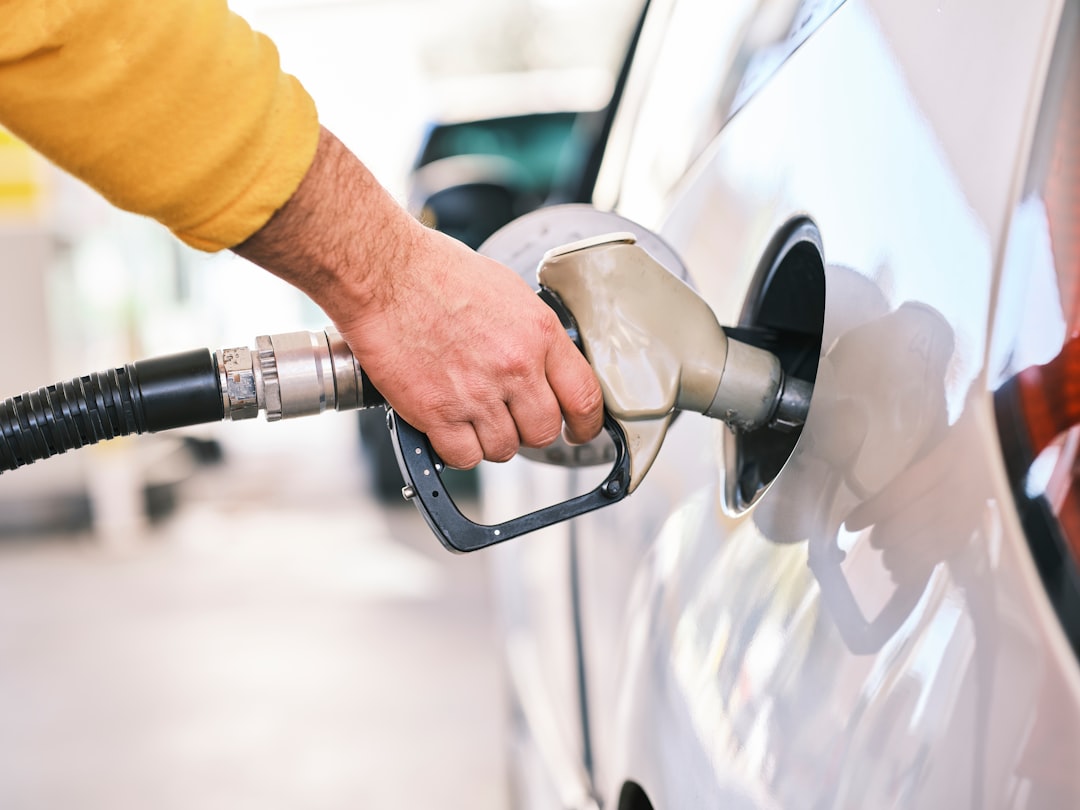
Breaking: Petrol & Diesel Prices Hit Highest Since 2022
Petrol now averages £1.70 / litre and diesel £1.65 / litre, the steepest levels the UK has seen since the post‑pandemic surge of 2022. The RAC’s latest figures show a month‑on‑month jump of several pence, confirming that fuel‑pump anxiety is returning to the fore.
Key Takeaways
- Record‑high pump prices: Unleaded petrol and diesel have climbed to their highest per‑litre rates in two years, erasing the brief respite many drivers enjoyed last summer.
- Global oil dynamics dominate: Tight supply, OPEC+ output decisions, and heightened geopolitical risk are the primary catalysts behind the UK price spike.
- Knocking on the door of a cost‑of‑living crunch: The surge threatens household budgets, pressures fleet operators, and could accelerate a shift toward alternative‑fuel vehicles.
The Core Event (What Happened)
The RAC’s monthly fuel‑price survey released yesterday revealed that the average price of unleaded petrol across the United Kingdom rose to £1.70 per litre, while diesel settled at £1.65 per litre. Both figures represent the highest levels recorded since the summer of 2022, when a combination of supply chain bottlenecks and a rapid rebound in demand pushed prices to similar peaks.
Compared with May, the price of petrol has risen by 4.2 pence per litre, and diesel by 3.8 pence per litre. Regional variation remains pronounced: drivers in London and the South East face the steepest pumps, whereas northern England and Scotland see slightly lower, though still historic, numbers. The RAC attributes the surge primarily to global crude‑oil price inflation, which has been propelled by a confluence of reduced output from key producers, lingering COVID‑era logistics constraints, and renewed geopolitical tension in the Middle East.
The Bigger Picture (Why It Matters)
Fuel costs sit at the intersection of personal finance, national policy, and environmental ambition. When the price per litre climbs, the ripple effect touches every sector that depends on road transport—from commuters and small‑business owners to logistics firms and public services.
First, the surge re‑ignites a cost‑of‑living debate that has dominated Westminster’s agenda for months. A typical family of four, driving 12,000 miles a year, now faces an extra £300–£350 in annual fuel outlay. For low‑income households, where transport expenses already claim a large share of disposable income, the impact is disproportionately harsh.
Second, the price hike tests the resilience of the UK’s energy transition roadmap. The government’s net‑zero target hinges on a rapid migration away from fossil‑fuel‑powered vehicles. Higher pump prices could accelerate consumer interest in electric cars, plug‑in hybrids, and even emerging hydrogen options. Yet the transition is uneven; charging infrastructure remains sparse outside major urban centres, and the upfront cost of EVs still deters many.
Third, the spike underscores the fragility of global oil markets. OPEC+ has signalled a willingness to adjust output, but political calculations—particularly the ongoing conflict in Ukraine and sanctions on Iran—continue to inject volatility. The UK, as a net importer of refined petroleum, remains exposed to these external shocks, highlighting the strategic importance of diversifying energy supplies and bolstering strategic reserves.
Market & Industry Impact (How It Affects the Broader Ecosystem)
The fuel‑price surge reverberates across several market segments:
- Retail forecourts: Independent petrol stations, already squeezed by declining margins, now confront higher wholesale costs. Many will pass the increase onto consumers, but a few may adopt price‑capping tactics to retain loyalty, potentially eroding profit further.
- Logistics and freight: Operators of delivery fleets face a double‑edged sword—higher operating costs and the pressure to meet tighter carbon‑emission targets. Some firms are accelerating the rollout of electric vans, while others are renegotiating contracts with suppliers to share the burden of fuel‑price volatility.
- Automotive manufacturers: The surge could boost sales of fuel‑efficient models and hybrids, prompting manufacturers to recalibrate production schedules. In the UK, where domestic car‑making already grapples with Brexit‑induced supply chain issues, a sudden swing in consumer preference may strain inventory planning.
- Financial markets: Energy‑linked equities, particularly those of oil majors and refining companies, have shown modest gains as investors price in higher revenue streams. Conversely, sectors sensitive to transportation costs—airlines, tourism, and consumer discretionary—are likely to feel headwinds.
- Policy arena: The Treasury may feel compelled to revisit the fuel duty freeze that has been in place since 2022. A modest increase could generate additional revenue but would also risk political backlash amid a fragile economic climate.
What’s Next
Looking ahead, several variables will shape the trajectory of UK fuel prices:
1. OPEC+ production decisions: If the cartel opts to increase output in the fourth quarter, crude prices could ease, offering some relief at the pump.
2. Geopolitical developments: Any escalation—or de‑escalation—in the Middle East will instantly translate into price swings, given the region’s outsized share of global oil supply.
3. Domestic policy responses: The government’s next budget may include targeted subsidies for low‑income drivers or accelerated incentives for electric vehicle adoption, both of which could blunt the impact of high pump prices.
4. Technological adoption: The rollout of fast‑charging networks and the entry of affordable EV models could shift demand away from petrol and diesel, gradually reducing the market’s sensitivity to oil‑price shocks.
Stakeholders should monitor these dynamics closely, as the interplay between global supply, domestic policy, and consumer behaviour will dictate whether the current price surge is a fleeting blip or the new normal.
Editorial Conclusion
The return of 2022‑level fuel prices is more than a headline; it is a litmus test for the UK’s economic resilience and its commitment to a greener future. While higher pump costs strain households and businesses today, they also spotlight the urgency of diversifying energy sources and accelerating the transition to low‑carbon mobility. Policymakers, industry leaders, and consumers alike must treat this price spike as a catalyst—not a setback—by embracing reforms that shield the most vulnerable and lay the groundwork for a sustainable transport ecosystem. The road ahead is steep, but the direction is clear: the era of reliance on cheap fossil fuel is over, and the journey toward affordable, clean mobility must now accelerate.
Source & Credits: BBC Business | AI-Assisted Editorial
ब्रेकिंग: पेट्रोल एवं डीजल की कीमतें 2022 के बाद से सबसे अधिक
पेट्रोल की औसत कीमत अब £1.70 / लीटर और डीजल £1.65 / लीटर तक पहुँच गई है, जो यूके में पोस्ट‑पैंडमिक 2022 के उछाल के बाद से सबसे ऊँचा स्तर है। RAC के नवीनतम आँकड़े माह‑दर‑माह कई पेंस की बढ़ोतरी दर्शाते हैं, जिससे ईंधन‑पंप की चिंता फिर से प्रमुख हो गई है।
मुख्य बिंदु
- रिकॉर्ड‑उच्च पंप कीमतें: अनलीडेड पेट्रोल और डीजल दो वर्षों में अपनी सबसे अधिक प्रति‑लीटर दरों तक पहुँच गए हैं, जिससे पिछले गर्मियों में मिलने वाली थोड़ी‑बहुत राहत समाप्त हो गई है।
- वैश्विक तेल गतिशीलता प्रमुख: सीमित आपूर्ति, OPEC+ के उत्पादन निर्णय और बढ़ते भू‑राजनीतिक जोखिम यूके कीमतों में उछाल के मुख्य कारण हैं।
- जीवन‑यापन की लागत के संकट के निकट: यह उछाल घर के बजट पर दबाव डालता है, बेड़े संचालकों को प्रभावित करता है और वैकल्पिक‑ईंधन वाहन की ओर बदलाव को तेज़ कर सकता है।
मुख्य घटना (क्या हुआ)
RAC की मासिक ईंधन‑कीमत सर्वेक्षण, जो कल जारी हुई, ने बताया कि यूनाइटेड किंगडम भर में अनलीडेड पेट्रोल की औसत कीमत £1.70 प्रति लीटर तक पहुँच गई, जबकि डीजल £1.65 प्रति लीटर पर स्थिर रही। दोनों आंकड़े 2022 के गर्मियों के बाद से दर्ज किए गए सबसे ऊँचे स्तर हैं, जब आपूर्ति श्रृंखला में बाधाएँ और माँग की तेज़ी से कीमतें समान शिखर पर पहुँची थीं।
मई की तुलना में पेट्रोल की कीमत 4.2 पेंस प्रति लीटर और डीजल की 3.8 पेंस प्रति लीटर बढ़ी है। क्षेत्रीय अंतर स्पष्ट है: लंदन और साउथ ईस्ट में ड्राइवरों को सबसे अधिक पंप मूल्य झेलने पड़ते हैं, जबकि नॉर्दर्न इंग्लैंड और स्कॉटलैंड में थोड़ा कम, फिर भी ऐतिहासिक स्तर देखे जा रहे हैं। RAC ने इस उछाल को मुख्यतः वैश्विक कच्चे तेल की कीमतों में महंगाई के कारण बताया है, जो प्रमुख उत्पादकों की उत्पादन कटौती, कोविड‑युग की लॉजिस्टिक बाधाएँ और मध्य‑पूर्व में पुनः उत्पन्न भू‑राजनीतिक तनाव के सम्मिलन से उत्पन्न हुई है।
व्यापक परिप्रेक्ष्य (यह क्यों महत्वपूर्ण है)
ईंधन की लागत व्यक्तिगत वित्त, राष्ट्रीय नीति और पर्यावरणीय लक्ष्यों के संगम पर स्थित है। जब प्रति लीटर कीमत बढ़ती है, तो इसका प्रभाव हर उस क्षेत्र पर पड़ता है जो सड़क परिवहन पर निर्भर है—यात्री, छोटे व्यवसायी, लॉजिस्टिक फर्म और सार्वजनिक सेवाएँ।
पहला, यह उछाल जीवन‑यापन की लागत पर बहस को फिर से प्रज्वलित करता है, जो कई महीनों से वेस्टमिंस्टर के एजेंडा में प्रमुख रहा है। चार सदस्यों वाले एक सामान्य परिवार, जो सालाना 12,000 मील यात्रा करता है, अब अतिरिक्त £300‑£350 वार्षिक ईंधन खर्च का सामना करेगा। कम‑आय वाले परिवारों के लिए, जहाँ परिवहन खर्च पहले से ही उपलब्ध आय का बड़ा हिस्सा लेता है, प्रभाव असमान रूप से अधिक कठोर होगा।
दूसरा, कीमत में यह बढ़ोतरी यूके के ऊर्जा संक्रमण रोडमैप की लचीलापन का परीक्षण करती है। सरकार का नेट‑ज़ीरो लक्ष्य जीवाश्म‑ईंधन‑संचालित वाहनों से शीघ्र बदलाव पर निर्भर है। उच्च पंप कीमतें उपभोक्ताओं की इलेक्ट्रिक कार, प्लग‑इन हाइब्रिड और यहां तक कि उभरते हाइड्रोजन विकल्पों में रुचि को तेज़ कर सकती हैं। परंतु संक्रमण असमान है; चार्जिंग बुनियादी ढाँचा प्रमुख शहरी क्षेत्रों के बाहर अभी भी विरल है, और इलेक्ट्रिक वाहनों की प्रारंभिक लागत कई खरीदारों को रोकती है।
तीसरा, यह उछाल वैश्विक तेल बाजारों की नाज़ुकता को उजागर करता है। OPEC+ ने उत्पादन समायोजन की इच्छा जताई है, पर राजनीतिक गणनाएँ—विशेषकर यूक्रेन में चल रहा संघर्ष और ईरान पर प्रतिबंध—बाजार में अस्थिरता को जारी रखती हैं। यूके, जो परिष्कृत पेट्रोलियम का शुद्ध आयातक है, इन बाहरी झटकों के प्रति संवेदनशील बना हुआ है, जिससे ऊर्जा आपूर्ति में विविधता लाने और रणनीतिक भंडार को सुदृढ़ करने का महत्व और स्पष्ट होता है।
बाजार एवं उद्योग प्रभाव (यह व्यापक पारिस्थितिकी तंत्र को कैसे प्रभावित करता है)
ईंधन‑कीमत उछाल कई बाजार खंडों में प्रतिध्वनि उत्पन्न करता है:
- रिटेल फोरकर्ट: स्वतंत्र पेट्रोल पंप, जो पहले से ही घटती मार्जिन से जूझ रहे थे, अब उच्च थोक लागत का सामना कर रहे हैं। अधिकांश उपभोक्ताओं पर कीमत बढ़ा देंगे, पर कुछ ग्राहक वफादारी बनाए रखने के लिए मूल्य‑कैपिंग अपनाएंगे, जिससे लाभ और घट सकता है।
- लॉजिस्टिक्स एवं फ्रेट: डिलीवरी बेड़े के संचालकों को दोहरी चुनौती का सामना करना पड़ता है—उच्च संचालन लागत और कड़ी कार्बन‑उत्सर्जन लक्ष्य। कुछ कंपनियां इलेक्ट्रिक वैन की तैनाती तेज़ कर रही हैं, जबकि अन्य आपूर्तिकर्ताओं के साथ अनुबंध पुनः वार्ता कर ईंधन‑कीमत अस्थिरता का भार साझा कर रही हैं।
- ऑटोमोबाइल निर्माता: कीमत उछाल से ईंधन‑कुशल मॉडल और हाइब्रिड की बिक्री में वृद्धि हो सकती है, जिससे निर्माताओं को उत्पादन शेड्यूल पुनः समायोजित करना पड़ेगा। यूके में, जहाँ ब्रेक्सिट‑प्रेरित आपूर्ति श्रृंखला समस्याएँ पहले से मौजूद हैं, उपभोक्ता पसंद में अचानक बदलाव से इन्वेंट्री योजना पर दबाव बढ़ सकता है।
- वित्तीय बाजार: ऊर्जा‑संबंधित इक्विटीज, विशेषकर तेल कंपनियों और रिफाइनरी के, उच्च राजस्व प्रवाह की आशा से मामूली लाभ दिखा रही हैं। इसके विपरीत, परिवहन लागत से संवेदनशील क्षेत्रों—एयरलाइन, पर्यटन और उपभोक्ता विवेकाधीन—को प्रतिकूल हवाएँ मिल सकती हैं।
- नीति क्षेत्र: ट्रेजरी को 2022 से लागू ईंधन ड्यूटी फ्रीज पर पुनः विचार करने का दबाव महसूस हो सकता है। मामूली वृद्धि से अतिरिक्त राजस्व उत्पन्न हो सकता है, परन्तु नाज़ुक आर्थिक माहौल में यह राजनीतिक प्रतिरोध को भी आमंत्रित कर सकता है।
आगे क्या हो सकता है
आगे देखते हुए, कई कारक यूके ईंधन कीमतों की दिशा निर्धारित करेंगे:
1. OPEC+ के उत्पादन निर्णय: यदि कार्टेल चौथे क्वार्टर में उत्पादन बढ़ाता है, तो कच्चे तेल की कीमतें घट सकती हैं, जिससे पंप पर कुछ राहत मिल सकती है।
2. भू‑राजनीतिक विकास: मध्य‑पूर्व में किसी भी तीव्रता—या शमन—से कीमतों में तुरंत उतार‑चढ़ाव होगा, क्योंकि इस क्षेत्र का वैश्विक तेल आपूर्ति में बड़ा हिस्सा है।
3. घरेलू नीति प्रतिक्रियाएँ: अगले बजट में कम‑आय वाले ड्राइवरों के लिए लक्षित सब्सिडी या इलेक्ट्रिक वाहन अपनाने के लिए तेज़ प्रोत्साहन शामिल हो सकते हैं, जो उच्च पंप कीमतों के प्रभाव को कम कर सकते हैं।
4. प्रौद्योगिकी अपनाना: फास्ट‑चार्जिंग नेटवर्क का विस्तार और किफायती इलेक्ट्रिक वाहन मॉडल का बाजार में प्रवेश, पेट्रोल एवं डीजल की माँग को घटा सकता है, जिससे तेल‑कीमत शॉक की संवेदनशीलता धीरे‑धीरे कम होगी।
हितधारकों को इन गतिशीलताओं पर करीबी नज़र रखनी चाहिए, क्योंकि वैश्विक आपूर्ति, घरेलू नीति और उपभोक्ता व्यवहार के परस्पर प्रभाव यह तय करेंगे कि वर्तमान कीमत उछाल केवल एक क्षणिक झटके के रूप में रहेगा या नया सामान्य बन जाएगा।
सम्पादकीय निष्कर्ष
2022‑स्तर की ईंधन कीमतों का पुनः आगमन केवल एक सुर्ख़ी नहीं, बल्कि यूके की आर्थिक लचीलापन और हरित भविष्य के प्रति प्रतिबद्धता की कसौटी है। जबकि उच्च पंप लागत आज घरों और व्यवसायों पर दबाव डाल रही है, यह ऊर्जा स्रोतों में विविधता लाने और कम‑कार्बन गतिशीलता की ओर संक्रमण को तेज़ करने की आवश्यकता को भी उजागर करती है। नीति‑निर्माताओं, उद्योग नेताओं और उपभोक्ताओं को इस कीमत उछाल को बाधा नहीं, बल्कि सुधार का उत्प्रेरक मानना चाहिए, जिससे सबसे कमजोर वर्गों की सुरक्षा हो और सतत परिवहन पारिस्थितिकी तंत्र की नींव रखी जा सके। आगे का मार्ग कठिन है, पर दिशा स्पष्ट है: सस्ते जीवाश्म‑ईंधन पर निर्भरता समाप्त हो गई है, और किफायती, स्वच्छ गतिशीलता की ओर यात्रा को अब तेज़ करना आवश्यक है।
Source & Credits: BBC Business | AI-Assisted Editorial
Breaking: Petrol & Diesel Prices Hit Highest Since 2022
పెట్రోల్ ఇప్పుడు సరాసరి £1.70 / లీటర్ మరియు డీజీల్ £1.65 / లీటర్, ఇది 2022‑యి పాండెమిక్ తర్వాత సమృద్ధి వద్ద UK‑এ చూపిన ఉంచైన స్థాయిలు. RAC‑ని తాజా అంకéda నెల‑నెలపై కొన్ని పెన్స్ల పెరుగుదల చూపిస్తున్నాయి, ఇది పెట్రోల్ పంప బాధ మرة మరకు forefront‑కి తిరిగి వస్తుందని నిర్ధారిస్తుంది.
Key Takeaways
- Record‑high pump prices: Unleaded petrol and diesel have climbed to their highest per‑litre rates in two years, erasing the brief respite many drivers enjoyed last summer.
- Global oil dynamics dominate: Tight supply, OPEC+ output decisions, and heightened geopolitical risk are the primary catalysts behind the UK price spike.
- Knocking on the door of a cost‑of‑living crunch: The surge threatens household budgets, pressures fleet operators, and could accelerate a shift toward alternative‑fuel vehicles.
The Core Event (What Happened)
The RAC’s monthly fuel‑price survey released yesterday revealed that the average price of unleaded petrol across the United Kingdom rose to £1.70 per litre, while diesel settled at £1.65 per litre. Both figures represent the highest levels recorded since the summer of 2022, when a combination of supply chain bottlenecks and a rapid rebound in demand pushed prices to similar peaks.
Compared with May, the price of petrol has risen by 4.2 pence per litre, and diesel by 3.8 pence per litre. Regional variation remains pronounced: drivers in London and the South East face the steepest pumps, whereas northern England and Scotland see slightly lower, though still historic, numbers. The RAC attributes the surge primarily to global crude‑oil price inflation, which has been propelled by a confluence of reduced output from key producers, lingering COVID‑era logistics constraints, and renewed geopolitical tension in the Middle East.
The Bigger Picture (Why It Matters)
Fuel costs sit at the intersection of personal finance, national policy, and environmental ambition. When the price per litre climbs, the ripple effect touches every sector that depends on road transport—from commuters and small‑business owners to logistics firms and public services.
First, the surge re‑ignites a cost‑of‑living debate that has dominated Westminster’s agenda for months. A typical family of four, driving 12,000 miles a year, now faces an extra £300–£350 in annual fuel outlay. For low‑income households, where transport expenses already claim a large share of disposable income, the impact is disproportionately harsh.
Second, the price hike tests the resilience of the UK’s energy transition roadmap. The government’s net‑zero target hinges on a rapid migration away from fossil‑fuel‑powered vehicles. Higher pump prices could accelerate consumer interest in electric cars, plug‑in hybrids, and even emerging hydrogen options. Yet the transition is uneven; charging infrastructure remains sparse outside major urban centres, and the upfront cost of EVs still deters many.
Third, the spike underscores the fragility of global oil markets. OPEC+ has signalled a willingness to adjust output, but political calculations—particularly the ongoing conflict in Ukraine and sanctions on Iran—continue to inject volatility. The UK, as a net importer of refined petroleum, remains exposed to these external shocks, highlighting the strategic importance of diversifying energy supplies and bolstering strategic reserves.
Market & Industry Impact (How It Affects the Broader Ecosystem)
The fuel‑price surge reverberates across several market segments:
- Retail forecourts: Independent petrol stations, already squeezed by declining margins, now confront higher wholesale costs. Many will pass the increase onto consumers, but a few may adopt price‑capping tactics to retain loyalty, potentially eroding profit further.
- Logistics and freight: Operators of delivery fleets face a double‑edged sword—higher operating costs and the pressure to meet tighter carbon‑emission targets. Some firms are accelerating the rollout of electric vans, while others are renegotiating contracts with suppliers to share the burden of fuel‑price volatility.
- Automotive manufacturers: The surge could boost sales of fuel‑efficient models and hybrids, prompting manufacturers to recalibrate production schedules. In the UK, where domestic car‑making already grapples with Brexit‑induced supply chain issues, a sudden swing in consumer preference may strain inventory planning.
- Financial markets: Energy‑linked equities, particularly those of oil majors and refining companies, have shown modest gains as investors price in higher revenue streams. Conversely, sectors sensitive to transportation costs—airlines, tourism, and consumer discretionary—are likely to feel headwinds.
- Policy arena: The Treasury may feel compelled to revisit the fuel duty freeze that has been in place since 2022. A modest increase could generate additional revenue but would also risk political backlash amid a fragile economic climate.
What’s Next
Looking ahead, several variables will shape the trajectory of UK fuel prices:
1. OPEC+ production decisions: If the cartel opts to increase output in the fourth quarter, crude prices could ease, offering some relief at the pump.
2. Geopolitical developments: Any escalation—or de‑escalation—in the Middle East will instantly translate into price swings, given the region’s outsized share of global oil supply.
3. Domestic policy responses: The government’s next budget may include targeted subsidies for low‑income drivers or accelerated incentives for electric vehicle adoption, both of which could blunt the impact of high pump prices.
4. Technological adoption: The rollout of fast‑charging networks and the entry of affordable EV models could shift demand away from petrol and diesel, gradually reducing the market’s sensitivity to oil‑price shocks.
Stakeholders should monitor these dynamics closely, as the interplay between global supply, domestic policy, and consumer behaviour will dictate whether the current price surge is a fleeting blip or the new normal.
Editorial Conclusion
The return of 2022‑level fuel prices is more than a headline; it is a litmus test for the UK’s economic resilience and its commitment to a greener future. While higher pump costs strain households and businesses today, they also spotlight the urgency of diversifying energy sources and accelerating the transition to low‑carbon mobility. Policymakers, industry leaders, and consumers alike must treat this price spike as a catalyst—not a setback—by embracing reforms that shield the most vulnerable and lay the groundwork for a sustainable transport ecosystem. The road ahead is steep, but the direction is clear: the era of reliance on cheap fossil fuel is over, and the journey toward affordable, clean mobility must now accelerate.
Source & Credits: BBC Business | AI-Assisted Editorial