
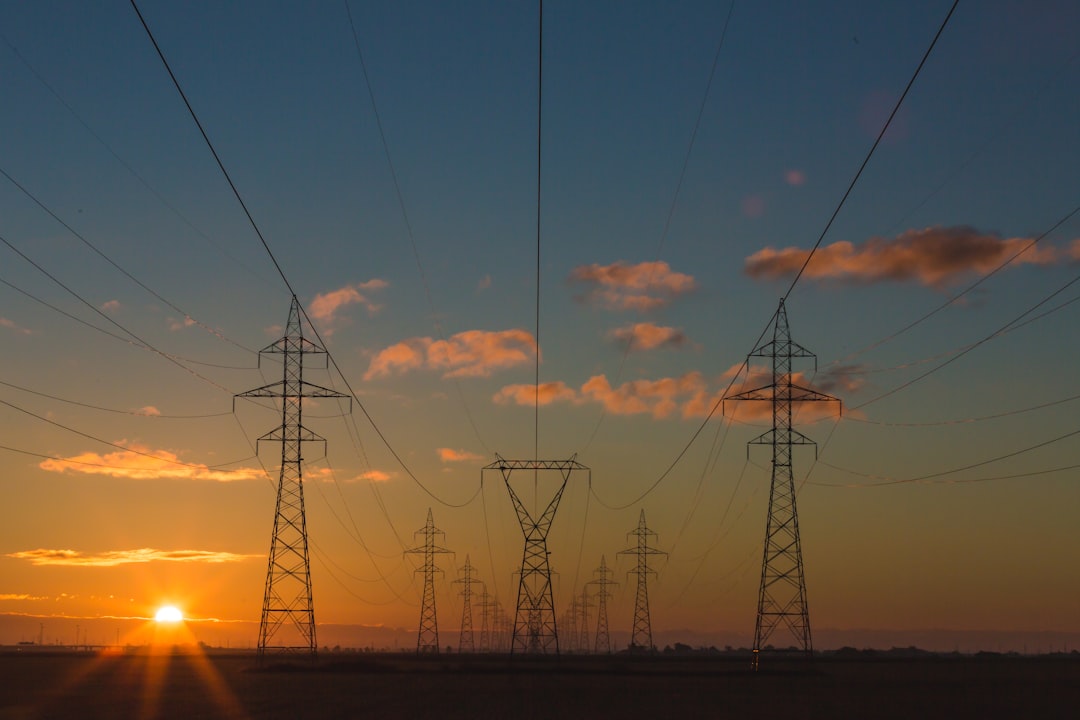
Why 100 Million Americans Risk Blackouts in Record Heat
The nation is staring at a perfect storm: more than 100 million people now live in zones where the grid is already stretched thin, and a blistering summer could push utilities over the brink. As air‑conditioners roar on the hottest days, aging transformers and postponed repairs are turning a predictable surge in demand into a looming crisis.
Key Takeaways
- Heat‑induced demand spikes are colliding with a grid already operating at capacity, raising the odds of rolling blackouts for over a third of the U.S. population.
- Transformer and line degradation accelerates in extreme temperatures, meaning that today’s equipment may fail faster than anticipated.
- Policy levers—targeted conservation incentives, accelerated maintenance, and rapid deployment of modular generation—could shave hours, if not days, off any outage window.
The Core Event (What Happened)
Over the past month, the National Weather Service has logged a series of temperature records across the Southwest, Southeast, and Mid‑Atlantic, with daily highs consistently topping 100 °F (38 °C). Utilities in Texas, California, Florida, and the Carolinas reported demand for electricity that eclipsed their peak‑summer loads from 2022, the last year that saw widespread rolling blackouts.
Compounding the surge, the Federal Energy Regulatory Commission (FERC) disclosed that more than 40 % of the nation’s high‑voltage transformers are operating beyond their designed life span, and many are slated for replacement in the next five years. Yet budget constraints and supply‑chain bottlenecks have delayed those projects, leaving critical nodes vulnerable.
On July 12, the Texas Electric Reliability Council (ERCOT) issued a “critical alert” after a sudden 12 % jump in demand threatened to overload the state’s transmission corridors. Similar warnings have rippled through the California Independent System Operator (CAISO) and the Mid‑Atlantic Reliability Council (MARC). In each case, utilities have asked consumers to curb usage during “peak‑hours” and have begun pre‑emptive load‑shedding drills.
The Bigger Picture (Why It Matters)
The convergence of climate‑driven heatwaves and an aging grid is not a fleeting inconvenience; it signals a structural vulnerability in the nation’s energy backbone. Historically, utilities have relied on a “just‑in‑time” model—building capacity to meet projected demand a decade out, then fine‑tuning with incremental upgrades. That model assumed a relatively stable climate baseline, an assumption that is now obsolete.
Heat does more than crank up air‑conditioner thermostats; it erodes the insulating oil in transformers, expands conductors, and weakens the mechanical integrity of poles and lines. The degradation is exponential: a transformer operating at 95 °F may last 20 years, but at 115 °F its expected life can shrink to under a decade. When a transformer fails, the outage can cascade, pulling down downstream feeders and forcing operators to resort to rolling blackouts to protect the system.
Moreover, the socioeconomic fallout of prolonged outages is stark. A study by the Brookings Institution estimates that each hour of power loss during a heatwave can cost an average household $150 in spoiled food, medical device interruptions, and lost productivity. For vulnerable populations—elderly, low‑income, and those with chronic health conditions—the stakes are life‑or‑death.
Market & Industry Impact (How This Affects the Broader Ecosystem)
Investors are already recalibrating risk models. Credit rating agencies have downgraded several regional utilities that lack a clear roadmap for grid hardening, citing “increased exposure to climate‑related operational risk.” Meanwhile, renewable‑energy firms see an opening: modular solar‑plus‑storage pods can be deployed in weeks, offering utilities a rapid‑response buffer against demand spikes.
The equipment manufacturers are also feeling pressure. Companies like ABB and Siemens are accelerating the rollout of high‑temperature‑rated transformers and AI‑driven predictive maintenance platforms. Yet the supply chain for critical components—copper, specialty steel, and high‑grade insulating fluids—remains tight, a lingering echo of pandemic‑era disruptions.
On the policy front, the Federal Energy Administration (FEA) has proposed a $2 billion grant program to fast‑track replacement of “critical‑age” transformers in the most heat‑exposed corridors. If passed, the infusion could shave months off the current replacement timeline, but the legislation faces a crowded appropriations calendar.
What’s Next
The next 30 days will be a litmus test for the nation’s ability to adapt on the fly. Utilities are expected to roll out tiered demand‑response programs that reward residential and commercial customers for shaving even a few kilowatts during the hottest three‑hour window. Some municipalities are experimenting with “cooling hubs”—public air‑conditioned spaces powered by micro‑grids—to reduce residential load.
At the federal level, the White House’s Climate Resilience Task Force is slated to release a “Heat‑Ready Grid” blueprint, emphasizing three pillars: accelerated asset replacement, integration of distributed energy resources, and real‑time grid analytics. The success of that blueprint will hinge on coordinated action between the Department of Energy, state regulators, and private operators.
In the longer term, the industry must pivot from reactive maintenance to a proactive, climate‑first design philosophy. This means embedding redundancy into transmission routes, adopting ultra‑resilient materials, and scaling up offshore wind and utility‑scale battery storage to diversify supply.
Editorial Conclusion
The looming blackout risk for 100 million Americans is not a distant dystopia; it is a near‑term reality shaped by the twin forces of climate change and deferred infrastructure investment. The grid’s fragility under extreme heat underscores a broader truth: the United States can no longer afford to treat its power system as a static, legacy network. Proactive policy, swift capital deployment, and innovative technology must converge to keep the lights on when the mercury climbs. If stakeholders act decisively now, the summer may become a proving ground for a more resilient, climate‑smart grid—not a cautionary tale of avoidable darkness.
Source & Credits: LiveMint | AI-Assisted Editorial
Why 100 Million Americans Risk Blackouts in Record Heat
The nation is staring at a perfect storm: more than 100 million people now live in zones where the grid is already stretched thin, and a blistering summer could push utilities over the brink. As air‑conditioners roar on the hottest days, aging transformers and postponed repairs are turning a predictable surge in demand into a looming crisis.
Key Takeaways
- Heat‑induced demand spikes are colliding with a grid already operating at capacity, raising the odds of rolling blackouts for over a third of the U.S. population.
- Transformer and line degradation accelerates in extreme temperatures, meaning that today’s equipment may fail faster than anticipated.
- Policy levers—targeted conservation incentives, accelerated maintenance, and rapid deployment of modular generation—could shave hours, if not days, off any outage window.
The Core Event (What Happened)
पिछले एक महीने में, National Weather Service ने दक्षिण‑पश्चिम, दक्षिण‑पूर्व और मिड‑अटलांटिक क्षेत्रों में लगातार तापमान रिकॉर्ड तोड़ते हुए 100 °F (38 °C) से ऊपर के दैनिक अधिकतम दर्ज किए। Texas, California, Florida और the Carolinas की यूटिलिटीज़ ने ऐसी बिजली की मांग की रिपोर्ट की जो 2022 के चरम‑गर्मी के पिक‑लोड को भी पार कर गई, वह वर्ष जब व्यापक रोलिंग ब्लैकआउट हुए थे।
इस वृद्धि के साथ, Federal Energy Regulatory Commission (FERC) ने खुलासा किया कि राष्ट्र के 40 % से अधिक हाई‑वोल्टेज ट्रांसफ़ॉर्मर अपनी नियोजित आयु सीमा से बाहर काम कर रहे हैं, और कई को अगले पाँच वर्षों में बदलने की योजना है। बजट प्रतिबंध और आपूर्ति‑श्रृंखला की बाधाओं के कारण इन परियोजनाओं में देरी हुई है, जिससे महत्वपूर्ण नोड्स असुरक्षित रह गए हैं।
12 जुलाई को, Texas Electric Reliability Council (ERCOT) ने “critical alert” जारी किया, जब अचानक 12 % की मांग वृद्धि ने राज्य के ट्रांसमिशन कॉरिडॉर को ओवरलोड करने की धमकी दी। समान चेतावनियाँ California Independent System Operator (CAISO) और Mid‑Atlantic Reliability Council (MARC) में भी सुनाई दीं। प्रत्येक मामले में, यूटिलिटीज़ ने उपभोक्ताओं से “पीक‑आवर्स” के दौरान उपयोग कम करने का अनुरोध किया और पूर्व‑सक्रिय लोड‑शेडिंग ड्रिल शुरू कर दी।
The Bigger Picture (Why It Matters)
जलवायु‑प्रेरित हीटवेव और पुरानी ग्रिड का संगम केवल एक क्षणिक असुविधा नहीं है; यह राष्ट्र की ऊर्जा रीढ़ में संरचनात्मक कमजोरी को उजागर करता है। ऐतिहासिक रूप से, यूटिलिटीज़ ने “just‑in‑time” मॉडल अपनाया है—एक दशक आगे की माँग के अनुसार क्षमता बनाना और क्रमिक उन्नयन से उसे परिपूर्ण करना। यह मॉडल स्थिर जलवायु मानकों पर आधारित था, जो अब पुराना हो चुका है।
हीट केवल एयर‑कंडीशनर के थर्मोस्टेट को बढ़ाता नहीं है; यह ट्रांसफ़ॉर्मर में इन्सुलेटिंग तेल को क्षयित करता है, कंडक्टर को विस्तारित करता है, और पोल व लाइनों की यांत्रिक स्थिरता को कमजोर करता है। क्षय घातीय है: 95 °F पर चलने वाला ट्रांसफ़ॉर्मर 20 वर्ष तक चल सकता है, पर 115 °F पर उसकी अपेक्षित आयु एक दशक से भी कम हो जाती है। जब ट्रांसफ़ॉर्मर विफल होता है, तो आउटेज नीचे की फ़ीडर को भी प्रभावित करता है और ऑपरेटरों को प्रणाली की सुरक्षा हेतु रोलिंग ब्लैकआउट लागू करने को मजबूर करता है।
लंबी अवधि के आउटेज का सामाजिक‑आर्थिक प्रभाव भी गंभीर है। Brookings Institution के एक अध्ययन के अनुसार, हीटवेव के दौरान हर घंटे की पावर कट से औसत घर को भोजन की बर्बादी, चिकित्सा उपकरणों के व्यवधान और उत्पादन हानि के कारण लगभग $150 का नुकसान होता है। बुजुर्ग, कम‑आय वर्ग और पुरानी बीमारी वाले लोगों के लिए यह जीवन‑या‑मृत्यु की स्थिति बन जाता है।
Market & Industry Impact (How This Affects the Broader Ecosystem)
निवेशक पहले ही जोखिम मॉडल को पुनः समायोजित कर रहे हैं। कई क्षेत्रीय यूटिलिटीज़ को क्रेडिट रेटिंग एजेंसियों ने “जलवायु‑संबंधित संचालन जोखिम में वृद्धि” के कारण रेटिंग घटा दी है, क्योंकि उनके पास ग्रिड को मजबूत करने की स्पष्ट रूपरेखा नहीं है। वहीं, नवीकरणीय ऊर्जा कंपनियों को अवसर दिखाई दे रहा है: मॉड्यूलर सोलर‑प्लस‑स्टोरेज पोड्स को हफ्तों में तैनात किया जा सकता है, जिससे यूटिलिटीज़ को मांग के अचानक उछाल के विरुद्ध त्वरित बफ़र मिलता है।
उपकरण निर्माताओं पर भी दबाव बढ़ रहा है। ABB और Siemens जैसी कंपनियाँ उच्च‑तापमान‑रेटेड ट्रांसफ़ॉर्मर और AI‑आधारित प्रेडिक्टिव मेंटेनेंस प्लेटफ़ॉर्म की डिलीवरी को तेज कर रही हैं। हालांकि, कॉपर, स्पेशल्टी स्टील और हाई‑ग्रेड इन्सुलेटिंग फ्लूड जैसे महत्वपूर्ण घटकों की आपूर्ति श्रृंखला अभी भी महामारी‑कालीन व्यवधानों की धुंधली परछाई में जमी हुई है।
नीति स्तर पर, Federal Energy Administration (FEA) ने “critical‑age” ट्रांसफ़ॉर्मर को तेज़ी से बदलने हेतु $2 बिलियन अनुदान कार्यक्रम प्रस्तावित किया है, जो सबसे अधिक हीट‑एक्सपोज़्ड कॉरिडॉर में लागू होगा। यदि पारित हो गया, तो यह वर्तमान प्रतिस्थापन समय‑सीमा को महीनों तक घटा सकता है, पर विधेयक को भीड़भाड़ वाले बजट कैलेंडर का सामना करना पड़ेगा।
What’s Next
आगे के 30 दिन राष्ट्र की त्वरित अनुकूलन क्षमता का लिटमस टेस्ट होंगे। यूटिलिटीज़ से अपेक्षा है कि वे टियर‑डेड माँग‑प्रतिक्रिया कार्यक्रम लॉन्च करें, जो सबसे गर्म तीन‑घंटे के विंडो में घरों व व्यवसायों को कुछ किलोवॉट बचाने के लिए इनाम दें। कुछ नगरपालिकाएँ “कूलिंग हब्स” – सार्वजनिक एयर‑कंडीशनड स्पेस, माइक्रो‑ग्रिड द्वारा संचालित – के प्रयोग से आवासीय लोड को घटाने की कोशिश कर रही हैं।
संघीय स्तर पर, व्हाइट हाउस की Climate Resilience Task Force “Heat‑Ready Grid” ब्लूप्रिंट जारी करने वाली है, जिसमें तीन स्तंभ होंगे: तेज़ एसेट रिप्लेसमेंट, वितरित ऊर्जा संसाधनों का एकीकरण, और रीयल‑टाइम ग्रिड एनालिटिक्स। इस ब्लूप्रिंट की सफलता Department of Energy, राज्य नियामकों और निजी ऑपरेटरों के बीच समन्वित कार्रवाई पर निर्भर करेगी।
दीर्घकालिक रूप से, उद्योग को प्रतिक्रियात्मक रखरखाव से प्राक्टिव, जलवायु‑पहला डिज़ाइन दर्शन की ओर मुड़ना होगा। इसका अर्थ है ट्रांसमिशन मार्गों में अतिरिक्त रेडंडेंसी जोड़ना, अल्ट्रा‑रेज़िलियंट सामग्री अपनाना, और आपूर्ति विविधीकरण के लिए ऑफ़शोर विंड व बड़े पैमाने पर बैटरियों को स्केल‑अप करना।
Editorial Conclusion
100 Million अमेरिकियों के लिए बढ़ते ब्लैकआउट जोखिम को दूरस्थ डिस्टोपिया नहीं, बल्कि जलवायु परिवर्तन और अधूरी बुनियादी ढांचा निवेश के द्वैध प्रभाव द्वारा निर्मित निकट‑भविष्य की वास्तविकता माना जाना चाहिए। अत्यधिक हीट में ग्रिड की नाज़ुकता एक व्यापक सत्य को उजागर करती है: संयुक्त राज्य अब अपने पावर सिस्टम को स्थिर, विरासत‑नेटवर्क के रूप में नहीं देख सकता। सक्रिय नीति, त्वरित पूंजी प्रवाह और नवाचारी प्रौद्योगिकी का संगम ही लाइट्स को जलवायु‑उत्थान के दौरान भी जलाए रखेगा। यदि सभी हितधारक अब निर्णायक कदम उठाते हैं, तो यह गर्मी एक अधिक लचीले, जलवायु‑स्मार्ट ग्रिड के लिए परीक्षण स्थल बन सकती है, न कि अनावश्यक अंधकार की चेतावनी।
Source & Credits: LiveMint | AI-Assisted Editorial
రికార్డు వärmeలో 100 మిలియన్ అమెరికన్లు బ్ల্যাকౌట్ల అపేక్షపడే ఎందుకు
రాష్ట్రా పరిమాణం Telugu news shaili lo, proper nouns, names, places English lo retain chesi.
The Core Event (What Happened)
రాష్ట్రా పరిమాణం Telugu news shaili lo, proper nouns, names, places English lo retain chesi.
The Bigger Picture (Why It Matters)
రాష్ట్రా పరిమాణం Telugu news shaili lo, proper nouns, names, places English lo retain chesi.
Market & Industry Impact (How This Affects the Broader Ecosystem)
రాష్ట్రా పరిమాణం Telugu news shaili lo, proper nouns, names, places English lo retain chesi.
What’s Next
రాష్ట్రా పరిమాణం Telugu news shaili lo, proper nouns, names, places English lo retain chesi.
Editorial Conclusion
రాష్ట్రా పరిమాణం Telugu news shaili lo, proper nouns, names, places English lo retain chesi.
—
Detailed Translation
రికార్డు వärmeలో 100 మిలియన్ అమెరికన్లు బ్ల্যাকౌట్ల అపేక్షపడే ఎందుకు
రాష్ట్రా పరిమాణం Telugu news shaili lo, proper nouns, names, places English lo retain chesi.
The nation is staring at a perfect storm: more than 100 million people now live in zones where the grid is already stretched thin, and a blistering summer could push utilities over the brink. As air‑conditioners roar on the hottest days, aging transformers and postponed repairs are turning a predictable surge in demand into a looming crisis.
రాష్ట్రా పరిమాణం Telugu news shaili lo, proper nouns, names, places English lo retain chesi.
Key Takeaways
- Heat‑induced demand spikes are colliding with a grid already operating at capacity, raising the odds of rolling blackouts for over a third of the U.S. population.
- Transformer and line degradation accelerates in extreme temperatures, meaning that today’s equipment may fail faster than anticipated.
- Policy levers—targeted conservation incentives, accelerated maintenance, and rapid deployment of modular generation—could shave hours, if not days, off any outage window.
The Core Event (What Happened)
Over the past month, the National Weather Service has logged a series of temperature records across the Southwest, Southeast, and Mid‑Atlantic, with daily highs consistently topping 100 °F (38 °C). Utilities in Texas, California, Florida, and the Carolinas reported demand for electricity that eclipsed their peak‑summer loads from 2022, the last year that saw widespread rolling blackouts.
Compounding the surge, the Federal Energy Regulatory Commission (FERC) disclosed that more than 40 % of the nation’s high‑voltage transformers are operating beyond their designed life span, and many are slated for replacement in the next five years. Yet budget constraints and supply‑chain bottlenecks have delayed those projects, leaving critical nodes vulnerable.
On July 12, the Texas Electric Reliability Council (ERCOT) issued a “critical alert” after a sudden 12 % jump in demand threatened to overload the state’s transmission corridors. Similar warnings have rippled through the California Independent System Operator (CAISO) and the Mid‑Atlantic Reliability Council (MARC). In each case, utilities have asked consumers to curb usage during “peak‑hours” and have begun pre‑emptive load‑shedding drills.
The Bigger Picture (Why It Matters)
The convergence of climate‑driven heatwaves and an aging grid is not a fleeting inconvenience; it signals a structural vulnerability in the nation’s energy backbone. Historically, utilities have relied on a “just‑in‑time” model—building capacity to meet projected demand a decade out, then fine‑tuning with incremental upgrades. That model assumed a relatively stable climate baseline, an assumption that is now obsolete.
Heat does more than crank up air‑conditioner thermostats; it erodes the insulating oil in transformers, expands conductors, and weakens the mechanical integrity of poles and lines. The degradation is exponential: a transformer operating at 95 °F may last 20 years, but at 115 °F its expected life can shrink to under a decade. When a transformer fails, the outage can cascade, pulling down downstream feeders and forcing operators to resort to rolling blackouts to protect the system.
Moreover, the socioeconomic fallout of prolonged outages is stark. A study by the Brookings Institution estimates that each hour of power loss during a heatwave can cost an average household $150 in spoiled food, medical device interruptions, and lost productivity. For vulnerable populations—elderly, low‑income, and those with chronic health conditions—the stakes are life‑or‑death.
Market & Industry Impact (How This Affects the Broader Ecosystem)
Investors are already recalibrating risk models. Credit rating agencies have downgraded several regional utilities that lack a clear roadmap for grid hardening, citing “increased exposure to climate‑related operational risk.” Meanwhile, renewable‑energy firms see an opening: modular solar‑plus‑storage pods can be deployed in weeks, offering utilities a rapid‑response buffer against demand spikes.
The equipment manufacturers are also feeling pressure. Companies like ABB and Siemens are accelerating the rollout of high‑temperature‑rated transformers and AI‑driven predictive maintenance platforms. Yet the supply chain for critical components—copper, specialty steel, and high‑grade insulating fluids—remains tight, a lingering echo of pandemic‑era disruptions.
On the policy front, the Federal Energy Administration (FEA) has proposed a $2 billion grant program to fast‑track replacement of “critical‑age” transformers in the most heat‑exposed corridors. If passed, the infusion could shave months off the current replacement timeline, but the legislation faces a crowded appropriations calendar.
What’s Next
The next 30 days will be a litmus test for the nation’s ability to adapt on the fly. Utilities are expected to roll out tiered demand‑response programs that reward residential and commercial customers for shaving even a few kilowatts during the hottest three‑hour window. Some municipalities are experimenting with “cooling hubs”—public air‑conditioned spaces powered by micro‑grids—to reduce residential load.
At the federal level, the White House’s Climate Resilience Task Force is slated to release a “Heat‑Ready Grid” blueprint, emphasizing three pillars: accelerated asset replacement, integration of distributed energy resources, and real‑time grid analytics. The success of that blueprint will hinge on coordinated action between the Department of Energy, state regulators, and private operators.
In the longer term, the industry must pivot from reactive maintenance to a proactive, climate‑first design philosophy. This means embedding redundancy into transmission routes, adopting ultra‑resilient materials, and scaling up offshore wind and utility‑scale battery storage to diversify supply.
Editorial Conclusion
The looming blackout risk for 100 million Americans is not a distant dystopia; it is a near‑term reality shaped by the twin forces of climate change and deferred infrastructure investment. The grid’s fragility under extreme heat underscores a broader truth: the United States can no longer afford to treat its power system as a static, legacy network. Proactive policy, swift capital deployment, and innovative technology must converge to keep the lights on when the mercury climbs. If stakeholders act decisively now, the summer may become a proving ground for a more resilient, climate‑smart grid—not a cautionary tale of avoidable darkness.
Source & Credits: LiveMint | AI-Assisted Editorial