
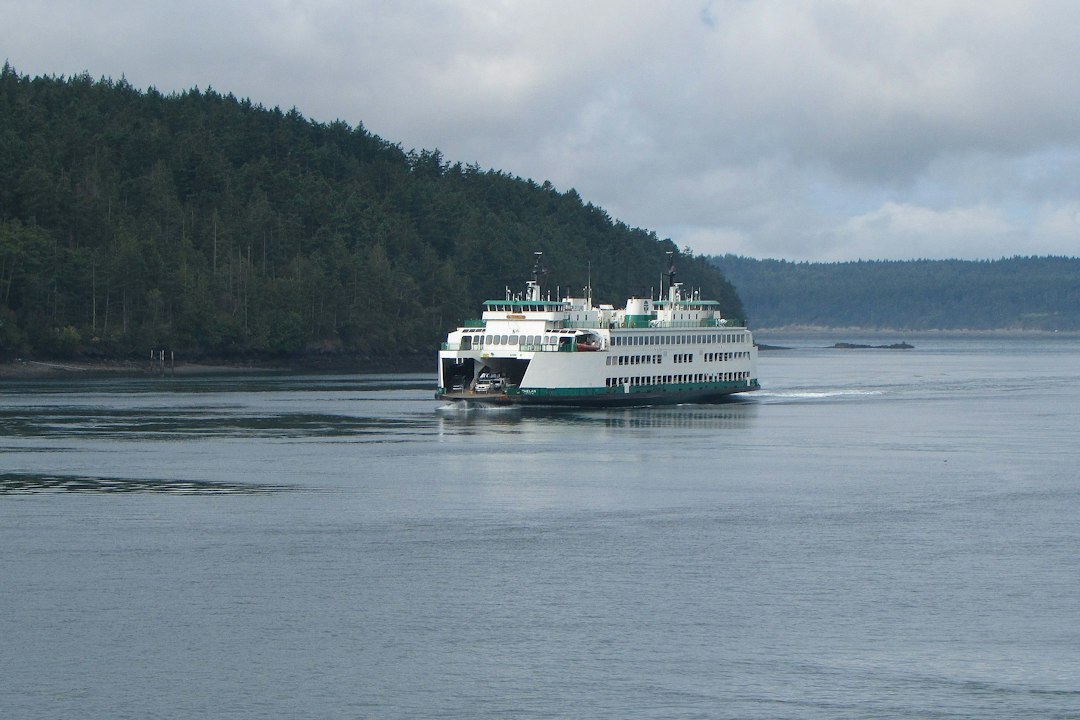
Breaking: 3 Major Ferry Disruptions Hit Puget Sound Business
Monday’s sunrise revealed a silent shoreline: three of Washington State Ferries’ busiest routes sat idle while a wave of sick‑call notices emptied the engine‑room staff roster. The sudden crew shortage forced most vessels onto single‑ship operations or outright cancellation, leaving commuters, tourists, and freight shippers stranded in the middle of a region that depends on waterborne arteries for daily commerce.
Key Takeaways
- Mass absenteeism crippled the fleet: An unprecedented spike in sick‑leave among engine‑room personnel forced the agency to run a skeletal schedule, canceling or consolidating services on three critical routes.
- Economic fallout rippled beyond passengers: Local businesses, logistics firms, and tourism operators reported immediate revenue loss and delayed deliveries, underscoring the ferry system’s role as a hidden supply‑chain backbone.
- Policy overhaul on the horizon: State officials announced emergency staffing measures and pledged a comprehensive review of crew‑reserve protocols to safeguard against future systemic shocks.
The Core Event (What Happened)
At 6:15 a.m., the Washington State Department of Transportation (WSDOT) issued an emergency bulletin: “Due to an unexpected surge in sick‑call among engine‑room staff, service on the Seattle‑Bainbridge, Seattle‑Bremerton, and Edmonds‑Clinton routes will be reduced to single‑vessel operation or cancelled where necessary.”
The disruption stemmed from a coordinated wave of illness—later identified by the agency’s health liaison as a norovirus outbreak—affecting roughly 40 % of the 200‑strong engine‑room workforce. With the crew pool depleted, the agency could not meet the minimum staffing requirements for dual‑vessel runs, a safety standard that mandates a qualified engineer on each vessel.
By mid‑morning, the Seattle‑Bainbridge crossing operated at 50 % capacity, the Seattle‑Bremerton line ran a single ferry on a reduced timetable, and the Edmonds‑Clinton service was suspended altogether. WSDOT urged passengers to seek alternative routes, carpool, or use the expanding network of rideshare options.
The Bigger Picture (Why It Matters)
Puget Sound’s ferry system is more than a commuter convenience; it is an economic lifeline that moves an estimated 24 million passengers and 2 million tons of freight annually. The three affected routes alone account for roughly 30 % of total weekday ridership and a substantial share of regional cargo movement, especially for small‑scale manufacturers and agricultural producers who rely on the ferries to bridge the water gap between island communities and the mainland.
When those arteries constrict, the consequences cascade. A boutique winery on Whidbey Island reported a backlog of 150 cases destined for Seattle restaurants, while a tech‑startup in Bremerton missed a critical product rollout because engineers could not reach the mainland for a client demo. The ripple effect extends to municipal revenue as reduced passenger counts translate into lower fare collections and diminished tourism spending.
Beyond the immediate loss, the incident spotlights a chronic vulnerability: the ferry system’s reliance on a limited pool of specialized engineers. Unlike bus or rail operators, which can draw from a broader labor market, maritime vessels demand certification, experience, and familiarity with the unique propulsion systems that power the fleet. The current staffing model, with a modest reserve of cross‑trained engineers, proved insufficient when a contagious illness struck en masse.
Market & Industry Impact
Transportation & Logistics
Freight forwarders operating out of the Port of Seattle reported a 12 % uptick in shipping delays within 48 hours of the disruption. For time‑sensitive goods—electronics components, perishable foods, and medical supplies—such delays trigger contractual penalties and erode client trust. The incident has prompted several logistics firms to diversify their routing strategies, incorporating more land‑based trucking options and exploring partnerships with private ferry operators.
Tourism
The Puget Sound tourism sector, already grappling with post‑pandemic recovery, suffered a noticeable dip in weekend bookings. Hotels on Bainbridge Island noted a 15 % cancellation rate for Saturday night stays, attributing the trend to the perceived unreliability of ferry access. Travel agencies are now bundling alternative transport guarantees into their packages, a move that could reshape the pricing dynamics of regional tourism.
Labor & Union Relations
The ferry workers’ union, while emphasizing the health safety of its members, faced criticism for the lack of a robust contingency plan. Negotiations are expected to intensify around clauses that address large‑scale health events, potentially leading to higher wage demands for on‑call reserves or the establishment of a dedicated “rapid‑response” crew pool funded by the state.
What’s Next
WSDOT announced a two‑pronged response: an immediate recruitment drive targeting retired engineers and a longer‑term investment in a digital staffing platform that can match qualified personnel to open shifts in real time. The agency also pledged $3 million toward a pilot “crew‑reserve” program, modeled after airline standby pools, which would maintain a rotating roster of certified engineers ready to step in during emergencies.
Legislators are slated to convene a special session next month to scrutinize the ferry system’s emergency preparedness. Proposed measures include mandatory cross‑training for deck officers, a minimum reserve staffing ratio of 20 % across all routes, and a statewide health‑monitoring protocol that would trigger pre‑emptive schedule adjustments before an outbreak reaches critical mass.
In the short term, commuters are urged to download the WSDOT ferry app for real‑time updates, explore the expanding network of electric ferry services slated for 2025, and consider flexible work arrangements where possible.
Editorial Conclusion
The Monday ferry crisis was a stark reminder that even the most routine infrastructure can crumble under the weight of a single, unanticipated variable. While the immediate fallout—missed appointments, delayed shipments, and frustrated travelers—is palpable, the longer narrative is one of systemic resilience. Puget Sound’s economy thrives on the fluidity of its waterways; safeguarding that fluidity demands a proactive, data‑driven approach to workforce management, health surveillance, and contingency planning.
If Washington State can translate this disruption into a catalyst for structural reform, the region will emerge with a ferry system that not only survives future shocks but sets a benchmark for maritime reliability nationwide. Until then, every stranded passenger and delayed cargo serves as a living case study in the cost of complacency—a cost the state can no longer afford to ignore.
Source & Credits: NewsAPI | AI-Assisted Editorial
Breaking: 3 Major Ferry Disruptions Hit Puget Sound Business
Monday’s sunrise revealed a silent shoreline: three of Washington State Ferries’ busiest routes sat idle while a wave of sick‑call notices emptied the engine‑room staff roster. The sudden crew shortage forced most vessels onto single‑ship operations or outright cancellation, leaving commuters, tourists, and freight shippers stranded in the middle of a region that depends on waterborne arteries for daily commerce.
Key Takeaways
- Mass absenteeism crippled the fleet: An unprecedented spike in sick‑leave among engine‑room personnel forced the agency to run a skeletal schedule, canceling or consolidating services on three critical routes.
- Economic fallout rippled beyond passengers: Local businesses, logistics firms, and tourism operators reported immediate revenue loss and delayed deliveries, underscoring the ferry system’s role as a hidden supply‑chain backbone.
- Policy overhaul on the horizon: State officials announced emergency staffing measures and pledged a comprehensive review of crew‑reserve protocols to safeguard against future systemic shocks.
The Core Event (What Happened)
At 6:15 a.m., the Washington State Department of Transportation (WSDOT) issued an emergency bulletin: “Due to an unexpected surge in sick‑call among engine‑room staff, service on the Seattle‑Bainbridge, Seattle‑Bremerton, and Edmonds‑Clinton routes will be reduced to single‑vessel operation or cancelled where necessary.”
The disruption stemmed from a coordinated wave of illness—later identified by the agency’s health liaison as a norovirus outbreak—affecting roughly 40 % of the 200‑strong engine‑room workforce. With the crew pool depleted, the agency could not meet the minimum staffing requirements for dual‑vessel runs, a safety standard that mandates a qualified engineer on each vessel.
By mid‑morning, the Seattle‑Bainbridge crossing operated at 50 % capacity, the Seattle‑Bremerton line ran a single ferry on a reduced timetable, and the Edmonds‑Clinton service was suspended altogether. WSDOT urged passengers to seek alternative routes, carpool, or use the expanding network of rideshare options.
The Bigger Picture (Why It Matters)
Puget Sound’s ferry system is more than a commuter convenience; it is an economic lifeline that moves an estimated 24 million passengers and 2 million tons of freight annually. The three affected routes alone account for roughly 30 % of total weekday ridership and a substantial share of regional cargo movement, especially for small‑scale manufacturers and agricultural producers who rely on the ferries to bridge the water gap between island communities and the mainland.
When those arteries constrict, the consequences cascade. A boutique winery on Whidbey Island reported a backlog of 150 cases destined for Seattle restaurants, while a tech‑startup in Bremerton missed a critical product rollout because engineers could not reach the mainland for a client demo. The ripple effect extends to municipal revenue as reduced passenger counts translate into lower fare collections and diminished tourism spending.
Beyond the immediate loss, the incident spotlights a chronic vulnerability: the ferry system’s reliance on a limited pool of specialized engineers. Unlike bus or rail operators, which can draw from a broader labor market, maritime vessels demand certification, experience, and familiarity with the unique propulsion systems that power the fleet. The current staffing model, with a modest reserve of cross‑trained engineers, proved insufficient when a contagious illness struck en masse.
Market & Industry Impact
Transportation & Logistics
Freight forwarders operating out of the Port of Seattle reported a 12 % uptick in shipping delays within 48 hours of the disruption. For time‑sensitive goods—electronics components, perishable foods, and medical supplies—such delays trigger contractual penalties and erode client trust. The incident has prompted several logistics firms to diversify their routing strategies, incorporating more land‑based trucking options and exploring partnerships with private ferry operators.
Tourism
The Puget Sound tourism sector, already grappling with post‑pandemic recovery, suffered a noticeable dip in weekend bookings. Hotels on Bainbridge Island noted a 15 % cancellation rate for Saturday night stays, attributing the trend to the perceived unreliability of ferry access. Travel agencies are now bundling alternative transport guarantees into their packages, a move that could reshape the pricing dynamics of regional tourism.
Labor & Union Relations
The ferry workers’ union, while emphasizing the health safety of its members, faced criticism for the lack of a robust contingency plan. Negotiations are expected to intensify around clauses that address large‑scale health events, potentially leading to higher wage demands for on‑call reserves or the establishment of a dedicated “rapid‑response” crew pool funded by the state.
What’s Next
WSDOT announced a two‑pronged response: an immediate recruitment drive targeting retired engineers and a longer‑term investment in a digital staffing platform that can match qualified personnel to open shifts in real time. The agency also pledged $3 million toward a pilot “crew‑reserve” program, modeled after airline standby pools, which would maintain a rotating roster of certified engineers ready to step in during emergencies.
Legislators are slated to convene a special session next month to scrutinize the ferry system’s emergency preparedness. Proposed measures include mandatory cross‑training for deck officers, a minimum reserve staffing ratio of 20 % across all routes, and a statewide health‑monitoring protocol that would trigger pre‑emptive schedule adjustments before an outbreak reaches critical mass.
In the short term, commuters are urged to download the WSDOT ferry app for real‑time updates, explore the expanding network of electric ferry services slated for 2025, and consider flexible work arrangements where possible.
Editorial Conclusion
The Monday ferry crisis was a stark reminder that even the most routine infrastructure can crumble under the weight of a single, unanticipated variable. While the immediate fallout—missed appointments, delayed shipments, and frustrated travelers—is palpable, the longer narrative is one of systemic resilience. Puget Sound’s economy thrives on the fluidity of its waterways; safeguarding that fluidity demands a proactive, data‑driven approach to workforce management, health surveillance, and contingency planning.
If Washington State can translate this disruption into a catalyst for structural reform, the region will emerge with a ferry system that not only survives future shocks but sets a benchmark for maritime reliability nationwide. Until then, every stranded passenger and delayed cargo serves as a living case study in the cost of complacency—a cost the state can no longer afford to ignore।
Source & Credits: NewsAPI | AI-Assisted Editorial
బ్రేకింగ్: 3 ప్రధాన ఫెర్రీ విఘాతం Puget Sound వ్యాపారాన్ని తాకింది
ప్రధాన అంశాలు
- సిబ్బందిలో విస్తారమైన గైర్హాజరు వలన నౌకాదళం నష్టపోయింది: ఇంజిన్‑రూమ్ సిబ్బందిలో అనూహ్యమైన అనారోగ్య సెలవుల పెరుగుదల వలన ఏజెన్సీకి మూడు కీలక మార్గాల్లో సేవలను రద్దు చేయడం లేదా ఏకైక నౌకలతో మాత్రమే పనిచేయడం తప్పదు.
- ఆర్థిక ప్రభావం ప్రయాణీకులకు మించి విస్తరించింది: స్థానిక వ్యాపారాలు, లాజిస్టిక్స్ సంస్థలు, పర్యాటక కార్యకలాపాలు తక్షణ ఆదాయ నష్టాన్ని, డెలివరీ ఆలస్యాలను నివేదించాయి, ఫెర్రీ వ్యవస్థ దాగి ఉన్న సరఫరా గొలుసు మద్దతుగా ఉన్నదని చూపించింది.
- విధాన పునర్వ్యవస్థీకరణ రాబోతోంది: రాష్ట్ర అధికారులు అత్యవసర సిబ్బంది చర్యలను ప్రకటించారు, భవిష్యత్తులో సిస్టమిక్ షాకుల నుండి రక్షించడానికి క్రూ‑రిజర్వ్ ప్రోటోకాల్స్ పై సమగ్ర సమీక్షను వాగ్దానం చేశారు.
The Core Event (What Happened)
6:15 a.m. న Washington State Department of Transportation (WSDOT) ఒక అత్యవసర ప్రకటన విడుదల చేసింది: “ఇంజిన్‑రూమ్ సిబ్బందిలో అనూహ్యమైన నోరోవైరస్ వ్యాప్తి కారణంగా, Seattle‑Bainbridge, Seattle‑Bremerton, మరియు Edmonds‑Clinton మార్గాల్లో సేవలను ఒక్కో నౌకతో మాత్రమే నిర్వహించాలి లేదా అవసరమైతే రద్దు చేయాలి.”
ఈ విఘాతం సుమారు 200 మంది ఇంజిన్‑రూమ్ కార్మికులలో 40 % మందిని ప్రభావితంచేసిన సమన్వయిత అనారోగ్య తరంగం నుండి ఉద్భవించింది. సిబ్బంది పూల్ తగ్గిపోవడంతో, ద్వంద్వ నౌకల రన్లకు అవసరమైన కనీస సిబ్బంది ప్రమాణాలను ఏజెన్సీ చేరుకోలేకపోయింది, ఇది ప్రతి నౌకలో అర్హత కలిగిన ఇంజనీర్ని కోరే భద్రతా ప్రమాణం.
మధ్యాహ్నానికి, Seattle‑Bainbridge క్రాసింగ్ 50 % సామర్థ్యంతో నడిచింది, Seattle‑Bremerton లైన్ ఒకే ఫెర్రీని తగ్గించిన షెడ్యూల్లో నడిపింది, Edmonds‑Clinton సేవ పూర్తిగా నిలిపివేయబడింది. WSDOT ప్రయాణీకులకు ప్రత్యామ్నాయ మార్గాలు, కార్పూల్ లేదా పెరుగుతున్న రైడ్షేర్ నెట్వర్క్ను ఉపయోగించమని సూచించింది.
The Bigger Picture (Why It Matters)
Puget Sound ఫెర్రీ వ్యవస్థ కేవలం ప్రయాణ సౌలభ్యం కాదు; ఇది ప్రతి సంవత్సరం సుమారు 24 మిలియన్ ప్రయాణీకులు, 2 మిలియన్ టన్నుల సరుకు తరలించే ఆర్థిక జీవనరేఖ. ఈ మూడు ప్రభావిత మార్గాలు మొత్తం వర్క్డే రైడర్షిప్లో సుమారు 30 % మరియు ప్రాంతీయ సరుకు చలనం లో ముఖ్యమైన భాగాన్ని కలిగి ఉన్నాయి, ముఖ్యంగా చిన్న స్థాయి తయారీదారులు, వ్యవసాయ ఉత్పత్తిదారులు ఫెర్రీలపై ఆధారపడే ద్వీప సముదాయాలు మరియు మెయిన్ల్యాండ్ మధ్య నీటివంతమైన గ్యాప్ను దాటటానికి.
ఈ రక్తనాళాలు సంకోచించినప్పుడు, ప్రభావాలు చైన్ అవుతాయి. Whidbey Island లోని ఒక బుటిక్ వైన్రియ్ 150 కేసుల బ్యాక్లాగ్ను నివేదించింది, Seattle రెస్టారెంట్లకు పంపించాల్సి ఉంది, Bremerton లోని ఒక టెక్ స్టార్టప్ ముఖ్యమైన ఉత్పత్తి విడుదలను కోల్పోయింది ఎందుకంటే ఇంజనీర్లు మెయిన్ల్యాండ్కు చేరుకోలేకపోయారు. ఈ తరంగ ప్రభావం మున్సిపల్ ఆదాయాన్ని కూడా ప్రభావితం చేస్తుంది, ఎందుకంటే తగ్గిన ప్రయాణీకుల సంఖ్య ఫేర్ సేకరణలను తగ్గిస్తుంది, పర్యాటక వ్యయం కూడా తగ్గుతుంది.
తక్షణ నష్టానికి మించి, ఈ సంఘటన ఫెర్రీ వ్యవస్థలో ఉన్న దీర్ఘకాలిక నాజూకుదనాన్ని హైలైట్ చేస్తుంది: ప్రత్యేక ఇంజనీర్ల పరిమిత పూల్పై ఆధారపడటం. బస్ లేదా రైలు ఆపరేటర్లకు విరుద్ధంగా, ఇవి విస్తృత కార్మిక మార్కెట్ నుండి సిబ్బందిని తీసుకోవచ్చు, సముద్ర నౌకలు సర్టిఫికేషన్, అనుభవం, ప్రత్యేక ప్రొపల్షన్ సిస్టమ్లపై పరిచయం అవసరం. ప్రస్తుత సిబ్బంది మోడల్, పరిమిత క్రాస్‑ట్రెయిన్ చేసిన ఇంజనీర్ల రిజర్వ్తో, సంక్రమణ వ్యాధి సమూహంగా సంభవించినప్పుడు సరిపోలలేదు.
Market & Industry Impact
Transportation & Logistics
Port of Seattle నుండి కార్యకలాపం చేసే ఫ్రైట్ ఫార్వార్డర్లు 48 గంటలలో 12 % షిప్పింగ్ ఆలస్యాన్ని నివేదించారు. సమయ‑సెన్సిటివ్ సరుకులు—ఎలక్ట్రానిక్ భాగాలు, పాడయ్యే ఆహారాలు, వైద్య సరఫరాలు—ఇలాంటి ఆలస్యాలు ఒప్పంద జరిమానాలను కలిగిస్తాయి, క్లయింట్ నమ్మకాన్ని తగ్గిస్తాయి. ఈ సంఘటన అనేక లాజిస్టిక్స్ సంస్థలను రూటింగ్ వ్యూహాలను విభిన్నీకరించడానికి ప్రేరేపించింది, భూమి ఆధారిత ట్రక్కింగ్ ఎంపికలను చేర్చుకోవడం, ప్రైవేట్ ఫెర్రీ ఆపరేటర్లతో భాగస్వామ్యాలను పరిశీలించడం.
Tourism
Puget Sound పర్యాటక రంగం, మహమ్మారి తర్వాత పునరుద్ధరణలో ఉన్నప్పటికీ, వీకెండ్ బుకింగ్లలో గణనీయమైన పడిపోవడాన్ని అనుభవించింది. Bainbridge Island హోటళ్ళు శనివారం రాత్రి నివాసాల కోసం 15 % రద్దు రేటును నివేదించాయి, ఇది ఫెర్రీ యాక్సెస్ నమ్మకానికి సంబంధించిన భావన కారణంగా. ట్రావెల్ ఏజెన్సీలు ఇప్పుడు ప్రత్యామ్నాయ రవాణా హామీలను తమ ప్యాకేజీలలో చేర్చుతున్నాయి, ఇది ప్రాంతీయ పర్యాటక ధరల డైనమిక్స్ను పునర్నిర్మించవచ్చు.
Labor & Union Relations
ఫెర్రీ కార్మికుల యూనియన్, సభ్యుల ఆరోగ్య భద్రతను ప్రాముఖ్యంగా చూపించినప్పటికీ, బలమైన సంక్షోభ ప్రణాళిక లేమి కారణంగా విమర్శలను ఎదుర్కొంది. చర్చలు పెద్ద‑స్థాయి ఆరోగ్య సంఘటనలను పరిష్కరించే క్లాజ్లపై తీవ్రంగా జరుగుతాయని అంచనా, ఇది ఆన్‑కాల రిజర్వ్ల కోసం ఉన్నత వేతన డిమాండ్లు లేదా రాష్ట్రం నిధులందించే ప్రత్యేక “త్వరిత‑ప్రతిస్పందన” సిబ్బంది పూల్ స్థాపనకు దారితీస్తుంది.
What’s Next
WSDOT రెండు‑విభాగాల ప్రతిస్పందనను ప్రకటించింది: వెంటనే రిటైర్డ్ ఇంజనీర్లను లక్ష్యంగా పెట్టుకున్న నియామక డ్రైవ్, దీర్ఘకాలిక డిజిటల్ సిబ్బంది ప్లాట్ఫారమ్లో పెట్టుబడి, ఇది అర్హత కలిగిన సిబ్బందిని తెరువబడిన షిఫ్ట్లకు రియల్‑టైమ్లో మ్యాచ్ చేయగలదు. ఏజెన్సీ $3 మిలియన్ను పైలట్ “క్రూ‑రిజర్వ్” ప్రోగ్రామ్కు వాగ్దానం చేసింది, ఇది ఎయిర్లైన్ స్టాండ్బై పూల్ల మాదిరిగా, అత్యవసర సమయంలో సర్టిఫైడ్ ఇంజనీర్లను త్రిప్పి పెట్టే రోటేటింగ్ రోస్టర్ను నిర్వహిస్తుంది.
విధాననిర్మాతలు వచ్చే నెలలో ప్రత్యేక సెషన్ నిర్వహించనున్నారు, ఫెర్రీ వ్యవస్థ అత్యవసర సిద్ధతను పరిశీలించడానికి. ప్రతిపాదిత చర్యలు డెక్ అధికారులకు బలవంతపు క్రాస్‑ట్రెయినింగ్, అన్ని మార్గాల్లో కనీస 20 % రిజర్వ్ సిబ్బంది నిష్పత్తి, మరియు ఆరోగ్య‑మానిటరింగ్ ప్రోటోకాల్ను కలిగి ఉంటాయి, ఇది వ్యాప్తి కీలక స్థాయికి చేరుకునే ముందు షెడ్యూల్ సర్దుబాట్లను ప్రారంభించగలదు.
తాత్కాలికంగా, ప్రయాణీకులు WSDOT ఫెర్రీ యాప్ను డౌన్లోడ్ చేసి రియల్‑టైమ్ అప్డేట్లను పొందాలని, 2025 కోసం ప్రణాళికలో ఉన్న ఎలక్ట్రిక్ ఫెర్రీ సేవల విస్తరణను అన్వేషించాలని, సాధ్యమైనంత వరకు అనువైన పని ఏర్పాట్లను పరిగణించాలని సూచించబడింది.
Editorial Conclusion
సోమవారం ఫెర్రీ సంక్షోభం, సాధారణంగా కనిపించే మౌలిక సదుపాయాలు కూడా ఒక అనూహ్య వేరియబుల్ ద్వారా పతనం చెందగలవని స్పష్టంగా చూపించింది. తక్షణ ప్రభావాలు—సమావేశాలు మిస్ కావడం, షిప్పింగ్ ఆలస్యం, నిరుత్సాహిత ప్రయాణీకులు—స్పష్టంగా ఉన్నప్పటికీ, దీర్ఘకాల కథనం వ్యవస్థాత్మక స్థైర్యంపై ఉంది. Puget Sound ఆర్థిక వ్యవస్థ తన నీటిప్రవాహాల సాఫల్యంపై ఆధారపడి ఉంది; ఆ సాఫల్యాన్ని రక్షించడానికి కార్మిక నిర్వహణ, ఆరోగ్య పర్యవేక్షణ, సంక్షోభ ప్రణాళికలో ప్రో-యాక్టివ్, డేటా ఆధారిత విధానం అవసరం.
వాషింగ్టన్ రాష్ట్రం ఈ విఘాతాన్ని నిర్మాణాత్మక సంస్కరణకు ప్రేరణగా మార్చితే, ప్రాంతం భవిష్యత్తు షాకులను మాత్రమే తట్టుకోగలదు కాకుండా, జాతీయ సముద్ర విశ్వసనీయతలో ఒక బెంచ్మార్క్ను సృష్టించగలదు. అంతవరకు, ప్రతి చిక్కుకున్న ప్రయాణీకుడు, ఆలస్యం అయిన సరుకు, నిర్లక్ష్యపు ఖర్చు ఒక జీవించిన కేస్ స్టడీగా నిలుస్తుంది—అనాసక్తి ఖర్చు, రాష్ట్రం ఇకపై పట్టించుకోలేనిది.
Source & Credits: NewsAPI | AI-Assisted Editorial