
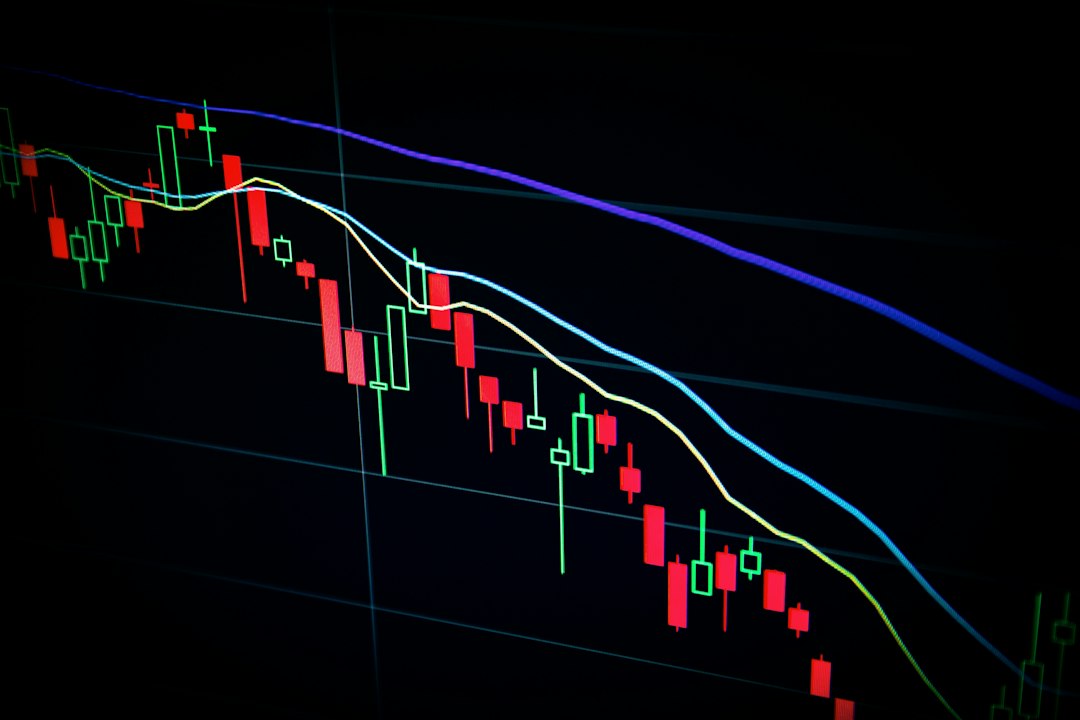
Why Dow Fell 500 Points as Yields Hit 24‑Year High
The Dow Jones Industrial Average plunged 500 points—about 1.5%—as the 10‑year Treasury yield surged to 4.78%, its highest level since 2000. The market’s abrupt slide reflected a nervous reaction to the Federal Reserve’s September minutes and a fresh wave of robust labor data that reinforced expectations of “higher‑for‑longer” interest rates.
Key Takeaways
- Bond yields spiked to a 24‑year peak, dragging equity valuations lower across the board.
- The Fed’s minutes hinted at a cautious stance, but the language on inflation‑driven rate hikes remained unchanged, amplifying risk‑off sentiment.
- Defensive sectors held up modestly, while energy lagged sharply after a dip in oil prices, signaling a broader rotation toward safety.
The Core Event (What Happened)
At 10:15 a.m. ET, the Dow slipped to 33,500, erasing roughly half a thousand points that had been added earlier in the session. The S&P 500 and Nasdaq followed suit, each shedding about 1.3%‑1.5%. The catalyst was a sudden jump in Treasury yields: the benchmark 10‑year note closed at 4.78%, a level not seen since the dot‑com bubble burst.
Two data points converged to push yields higher. First, the Labor Department released a revised jobs report showing the unemployment rate steady at 3.6% while non‑farm payrolls added 336,000 jobs—well above economists’ expectations. Second, the Federal Reserve’s September meeting minutes were released, revealing that policymakers remain convinced that inflation is “sticky” and that the policy‑rate may need to stay elevated for an extended period.
Energy stocks, which had been a bright spot this week, tumbled as Brent crude slid below $80 a barrel, eroding the sector’s momentum. In contrast, utilities and consumer staples posted modest gains, reflecting a classic flight‑to‑quality as investors re‑balanced toward lower‑beta assets.
The Bigger Picture (Why It Matters)
Yield spikes of this magnitude are rare in modern markets and carry a double‑edged implication. On one hand, they signal confidence that the Treasury market can absorb higher rates without a panic sell‑off—an encouraging sign for fiscal stability. On the other, they act as a tax on equity valuations, especially growth‑oriented stocks whose future cash flows are discounted at higher rates.
The Fed’s minutes, while not delivering any new policy surprises, reinforced a narrative that has been gaining traction: the era of ultra‑low rates is over, and the central bank is prepared to keep rates elevated until inflation is firmly under control. For investors, this translates into a higher cost of capital, tighter credit conditions, and a recalibration of risk premiums across asset classes.
Moreover, the labor market’s resilience adds a layer of complexity. Strong job growth reduces the likelihood of a near‑term recession, but it also fuels wage‑driven inflation pressures, nudging the Fed toward a more hawkish posture. The confluence of these forces creates a feedback loop: robust employment bolsters consumer spending, which sustains demand‑side inflation, prompting the Fed to keep rates high, which in turn depresses equity valuations.
Market & Industry Impact (Broader Ecosystem)
The immediate fallout is visible in sector rotation. Technology and consumer discretionary—historically sensitive to rate changes—are seeing fresh outflows as institutional money seeks the relative safety of utilities, health care, and real‑estate investment trusts (REITs) with stable dividend yields.
Financials, however, are in a paradoxical position. Higher rates expand net‑interest margins, potentially boosting bank profitability, yet the same rates can dampen loan demand and increase credit‑risk exposure. The net effect will hinge on the trajectory of corporate earnings and the pace of loan growth in the coming quarters.
Energy’s slump underscores how commodity markets remain vulnerable to macro‑policy swings. The dip in oil prices was partly a reaction to the stronger dollar—another by‑product of rising yields—and to concerns that higher financing costs could curb industrial demand for petroleum products.
Internationally, the yield surge reverberates through emerging‑market (EM) debt. Many EM issuers rely on dollar‑denominated financing; a steeper U.S. yield curve raises their borrowing costs and can trigger capital outflows, especially from countries with weaker fiscal buffers.
What’s Next
Investors should brace for continued volatility as the market digests two intertwined narratives: the Fed’s commitment to a prolonged high‑rate environment and the labor market’s unexpected vigor. The next set of data to watch includes the upcoming consumer price index (CPI) release and the Federal Open Market Committee’s (FOMC) July meeting, where policymakers may signal whether the current rate trajectory will be maintained, accelerated, or softened.
From a strategic standpoint, a balanced approach that blends defensive equities with selective exposure to rate‑benefiting sectors—such as banks and certain REITs—could mitigate downside risk. Additionally, diversifying into assets less correlated with U.S. rates, like commodities (excluding oil) and foreign equities, may provide a hedge against a prolonged high‑yield environment.
Editorial Conclusion
The Dow’s 500‑point tumble is less a singular market glitch and more a symptom of an evolving macroeconomic regime. As Treasury yields climb to levels unseen for a generation, the pricing of risk is being rewritten in real time. Investors who recognize that higher rates are now the norm—not the exception—will be better positioned to navigate the choppy waters ahead. The market’s next move will likely be dictated not by isolated earnings reports but by the broader dialogue between inflation, employment, and the Fed’s resolve to keep interest rates elevated. In this new reality, agility, sector‑level insight, and a disciplined risk‑management framework will separate the winners from the laggards.
Source & Credits: NewsAPI | AI-Assisted Editorial
Why Dow Fell 500 Points as Yields Hit 24‑Year High
The Dow Jones Industrial Average plunged 500 points—about 1.5%—as the 10‑year Treasury yield surged to 4.78%, its highest level since 2000. The market’s abrupt slide reflected a nervous reaction to the Federal Reserve’s September minutes and a fresh wave of robust labor data that reinforced expectations of “higher‑for‑longer” interest rates.
Key Takeaways
- Bond yields spiked to a 24‑year peak, dragging equity valuations lower across the board.
- The Fed’s minutes hinted at a cautious stance, but the language on inflation‑driven rate hikes remained unchanged, amplifying risk‑off sentiment.
- Defensive sectors held up modestly, while energy lagged sharply after a dip in oil prices, signaling a broader rotation toward safety.
कोर इवेंट (क्या हुआ)
10:15 a.m. ET पर Dow 33,500 तक गिर गया, जिससे सत्र की शुरुआत में जो लगभग पाँच सौ अंक जोड़े गए थे, वे लगभग आधे में घट गये। S&P 500 और Nasdaq ने भी क्रमशः लगभग 1.3%‑1.5% की गिरावट दर्ज की। इस गिरावट का मुख्य कारण ट्रेज़री यील्ड में अचानक उछाल था: बेंचमार्क 10‑year नोट 4.78% पर बंद हुआ, जो डॉट‑कॉम बबल के फटने के बाद से नहीं देखा गया था।
दो प्रमुख डेटा पॉइंट्स ने यील्ड को और ऊपर धकेला। पहला, Labor Department ने संशोधित जॉब्स रिपोर्ट जारी की, जिसमें बेरोज़गारी दर 3.6% पर स्थिर रही और नॉन‑फ़ार्म पेरोल ने 336,000 नौकरियाँ जोड़ीं—जो अर्थशास्त्रियों की अपेक्षा से कहीं अधिक थी। दूसरा, Federal Reserve की September मीटिंग के मिनट्स प्रकाशित हुए, जिनमें नीति निर्माताओं ने यह संकेत दिया कि महँगी inflation “स्टिकी” बनी हुई है और नीति‑दर को लंबे समय तक ऊँचा रखने की आवश्यकता हो सकती है।
ऊर्जा शेयर, जो इस सप्ताह एक उज्ज्वल बिंदु थे, Brent Crude के $80 प्रति बैरल से नीचे गिरने के बाद तीव्र गिरावट का शिकार हुए, जिससे सेक्टर की गति में गिरावट आई। इसके विपरीत, यूटिलिटीज़ और कंज्यूमर स्टेपल्स ने मामूली लाभ दिखाया, जो निवेशकों द्वारा कम‑बीटा एसेट्स की ओर पुनः संतुलन को दर्शाता है।
बड़ा चित्र (क्यों महत्वपूर्ण है)
इतनी तीव्र यील्ड स्पाइक आज के बाजारों में दुर्लभ है और दोहरी प्रभावशाली होती है। एक ओर, यह संकेत देती है कि ट्रेज़री बाजार उच्च दरों को बिना पैनिक सेल के समायोजित कर सकता है—जो राजकोषीय स्थिरता के लिए सकारात्मक संकेत है। दूसरी ओर, यह इक्विटी वैल्यूएशन पर कर लगाती है, विशेषकर ग्रोथ‑ओरिएंटेड स्टॉक्स पर, जिनके भविष्य के नकदी प्रवाह उच्च दरों पर अधिक डिस्काउंट होते हैं।
Fed के मिनट्स, जबकि कोई नई नीति सरप्राइज़ नहीं लाए, एक ऐसी कथा को मजबूती देते हैं जो धीरे‑धीरे लोकप्रिय हो रही है: अल्ट्रा‑लो रेट्स का युग समाप्त हो गया है, और केंद्रीय बैंक महँगी inflation को काबू में करने तक दरों को ऊँचा रखने के लिए तैयार है। निवेशकों के लिए इसका अर्थ है उच्च लागत वाला पूँजी, कड़ा क्रेडिट माहौल, और विभिन्न एसेट क्लासेज़ में जोखिम प्रीमियम का पुनर्मूल्यांकन।
साथ ही, श्रम बाजार की मजबूती एक जटिल परत जोड़ती है। मजबूत नौकरी सृजन निकट‑अवधि में मंदी की संभावना को घटाता है, पर साथ ही वेतन‑चालित महँगी inflation दबाव को भी बढ़ाता है, जिससे Fed अधिक कठोर रुख अपनाता है। इन बलों का संगम एक फीडबैक लूप बनाता है: मजबूत रोजगार उपभोक्ता खर्च को बढ़ाता है, जिससे मांग‑साइड महँगी inflation बनी रहती है, Fed दरें ऊँची रखता है, और इससे इक्विटी वैल्यूएशन नीचे गिरते हैं।
बाजार एवं उद्योग प्रभाव (व्यापक इकोसिस्टम)
तुरंत दिखाई देने वाला प्रभाव सेक्टर रोटेशन में है। टेक्नोलॉजी और कंज्यूमर डिस्क्रेशनेरी—जो ऐतिहासिक रूप से दर‑परिवर्तन के प्रति संवेदनशील हैं—संस्थागत पूँजी के यूटिलिटीज़, हेल्थ केयर, और स्थिर डिविडेंड यील्ड वाले REITs की ओर प्रवाह के कारण नई आउटफ़्लो देख रहे हैं।
वित्तीय सेक्टर एक विरोधाभासी स्थिति में है। उच्च दरें नेट‑इंटरेस्ट मार्जिन को बढ़ा सकती हैं, जिससे बैंकों की लाभप्रदता में सुधार हो सकता है, पर वही दरें लोन डिमांड को घटा सकती हैं और क्रेडिट‑रिस्क एक्सपोजर बढ़ा सकती हैं। अंतिम प्रभाव कॉरपोरेट आय की दिशा और आगामी तिमाहियों में लोन ग्रोथ की गति पर निर्भर करेगा।
ऊर्जा सेक्टर की गिरावट इस बात को उजागर करती है कि कमोडिटी बाजार मैक्रो‑पॉलिसी बदलावों के प्रति कितना संवेदनशील है। तेल की कीमतों में गिरावट का एक हिस्सा मजबूत डॉलर—जो उच्च यील्ड का उप‑उत्पाद है—और यह चिंता थी कि उच्च फाइनेंसिंग कॉस्ट औद्योगिक पेट्रोलियम उत्पादों की मांग को घटा सकता है।
अंतरराष्ट्रीय स्तर पर, यील्ड वृद्धि का प्रभाव उभरते बाजार (EM) के डेब्ट पर भी पड़ता है। कई EM इश्यूअर्स डॉलर‑डिनोमिनेटेड फाइनेंसिंग पर निर्भर हैं; अमेरिकी यील्ड कर्व का तीखा होना उनके उधारी लागत को बढ़ाता है और विशेषकर कमजोर वित्तीय बफ़र्स वाले देशों में पूँजी बहिर्वाह को ट्रिगर कर सकता है।
आगे क्या है
निवेशकों को दो आपस में जुड़े हुए कथानकों को पचाते हुए जारी अस्थिरता के लिए तैयार रहना चाहिए: Fed की दीर्घकालिक उच्च‑दर प्रतिबद्धता और श्रम बाजार की अप्रत्याशित मजबूती। निकट भविष्य में देखे जाने वाले प्रमुख डेटा में उपभोक्ता मूल्य सूचकांक (CPI) रिलीज़ और Federal Open Market Committee (FOMC) की जुलाई मीटिंग शामिल हैं, जहाँ नीति निर्माताओं से संकेत मिल सकते हैं कि वर्तमान दर ट्रेंड को बरकरार रखा जाएगा, तेज़ किया जाएगा या नरम किया जाएगा।
रणनीतिक दृष्टिकोण से, रक्षात्मक इक्विटीज़ को उच्च‑दर‑लाभकारी सेक्टर (जैसे बैंक्स और कुछ REITs) के चयनित एक्सपोजर के साथ मिलाकर एक संतुलित पोर्टफोलियो बनाना डाउनसाइड जोखिम को कम कर सकता है। साथ ही, ऐसी एसेट्स में विविधता लाना जो अमेरिकी दरों से कम सहसंबंधित हों—जैसे कमोडिटीज़ (तेल को छोड़कर) और विदेशी इक्विटीज़—लंबे समय तक उच्च‑यील्ड पर्यावरण के खिलाफ हेज प्रदान कर सकते हैं।
संपादकीय निष्कर्ष
Dow के 500‑पॉइंट गिरावट को केवल एक अल्पकालिक बाजार गड़बड़ी नहीं, बल्कि एक बदलते हुए मैक्रोइकोनॉमिक परिदृश्य का लक्षण माना जा सकता है। जैसे ही ट्रेज़री यील्ड एक पीढ़ी में न देखी गई स्तर तक पहुंच रही है, जोखिम की कीमत वास्तविक‑समय में फिर से लिखी जा रही है। जो निवेशक इस बात को समझते हैं कि उच्च दरें अब अपवाद नहीं, बल्कि नियम बन गई हैं, वे अस्थिर जल को बेहतर नेविगेट कर पाएँगे। आगे का बाजार संभवतः अलग‑अलग आय रिपोर्टों से अधिक, महँगी inflation, रोजगार और Fed की उच्च‑दर दृढ़ता के बीच के व्यापक संवाद द्वारा निर्धारित होगा। इस नई वास्तविकता में चपलता, सेक्टर‑स्तरीय अंतर्दृष्टि, और अनुशासित जोखिम‑प्रबंधन फ्रेमवर्क ही विजेताओं और पीछे रहने वालों के बीच अंतर तय करेगा।
Source & Credits: NewsAPI | AI-Assisted Editorial
Why Dow Fell 500 Points as Yields Hit 24‑Year High
Key Takeaways
- Bond yields spiked to a 24‑year peak, dragging equity valuations lower across the board.
- The Fed’s minutes hinted at a cautious stance, but the language on inflation‑driven rate hikes remained unchanged, amplifying risk‑off sentiment.
- Defensive sectors held up modestly, while energy lagged sharply after a dip in oil prices, signaling a broader rotation toward safety.
The Core Event (What Happened)
10:15 a.m. ET సమయంలో Dow 33,500 స్థాయికి పడిపోయి, సెషన్ ప్రారంభంలో చేరిన సుమారు 500 పాయింట్లను కోల్పోయింది. S&P 500 మరియు Nasdaq కూడా 1.3%‑1.5% వరకు తగ్గాయి. ఈ దిగజార్పు ప్రధానంగా Treasury yields లో అకస్మాత్తు పెరుగుదల వల్ల జరిగింది: 10‑year బాండ్ 4.78% వద్ద ముగిసింది, ఇది 2000 తరువాత అత్యధిక స్థాయి.
రెండు డేటా పాయింట్లు yields ను పెంచడానికి దోహదపడ్డాయి. మొదట, Labor Department నుండి వచ్చిన సవరించిన ఉద్యోగ రిపోర్టులో నిరుద్యోగ రేటు 3.6% వద్ద స్థిరంగా ఉండగా, non‑farm payrolls 336,000 ఉద్యోగాలు జోడించాయి – ఇది ఆర్థిక నిపుణుల అంచనాలకంటే ఎక్కువ. రెండవది, Federal Reserve యొక్క September సమావేశ నిమిషాలు విడుదలై, ద్రవ్యోల్బణం “sticky” అని, విధాన‑వడ్డీ రేటు దీర్ఘకాలం వరకు ఉన్నత స్థాయిలో ఉండవచ్చని సూచించింది.
ఈ వారం మంచి పనితీరు చూపుతున్న Energy స్టాక్స్, Brent crude బార్లకు $80 కంటే తక్కువకు పడిపోవడంతో పెద్దగా తగ్గాయి, ఇది రంగానికి మోమెంటం కోల్పోయింది. దీనికి విరుద్ధంగా, Utilities మరియు Consumer Staples కొంచెం లాభాలు నమోదు చేసుకుని, పెట్టుబడిదారులు తక్కువ‑బీటా ఆస్తుల వైపు మళ్లిన “flight‑to‑quality” ను ప్రతిబింబించాయి.
The Bigger Picture (Why It Matters)
ఇలాంటి పరిమాణంలో Yield స్పైక్లు ఆధునిక మార్కెట్లలో అరుదు, మరియు వాటి ప్రభావం ద్వంద్వ. ఒకవైపు, Treasury మార్కెట్ ఎక్కువ రేట్లను పానిక్‑సెల్‑ఆఫ్ లేకుండా శోషించగలదని నమ్మకాన్ని చూపిస్తుంది – ఇది ఫిస్కల్ స్థిరత్వానికి సానుకూల సంకేతం. మరోవైపు, ఇది equity valuations, ముఖ్యంగా growth‑oriented స్టాక్స్, వాటి భవిష్యత్ cash flows ను ఎక్కువ రేట్ల వద్ద discount చేయాల్సి రావడంతో, “tax” లాగా పనిచేస్తుంది.
Fed నిమిషాలు కొత్త విధాన ఆశ్చర్యాలను ఇవ్వకపోయినా, “ultra‑low rates” యుగం ముగిసిందని, ద్రవ్యోల్బణాన్ని పట్టు పట్టే వరకు రేట్లు ఉన్నతంగా ఉండాలని ఉన్న కథనాన్ని బలపరిచాయి. పెట్టుబడిదారులకు ఇది అధిక capital cost, tighter credit conditions, మరియు asset class‑ల మధ్య risk premiums పునఃసమీక్షను సూచిస్తుంది.
అదనంగా, కార్మిక మార్కెట్ బలమైనదిగా ఉండటం మరొక సంక్లిష్టతను కలిగిస్తుంది. బలమైన ఉద్యోగ వృద్ధి తక్షణ recession అవకాశం తగ్గించగా, వేతన‑ఆధారిత ద్రవ్యోల్బణ ఒత్తిడిని పెంచి, Fed ను మరింత hawkish స్థితికి నడిపిస్తుంది. ఈ బలాలు ఒక feedback loop ను సృష్టిస్తాయి: బలమైన ఉపాధి వినియోగదారుల ఖర్చును పెంచి, demand‑side ద్రవ్యోల్బణాన్ని నిలుపుతుంది, Fed రేట్లు ఉన్నతంగా ఉంచుతుంది, ఇది equity valuations ను మరింత తగ్గిస్తుంది.
Market & Industry Impact (Broader Ecosystem)
తక్షణ ప్రభావం రంగాల రొటేషన్లో స్పష్టంగా కనిపిస్తుంది. Technology మరియు Consumer Discretionary, రేటు మార్పులకు సున్నితంగా ఉండే రంగాలు, సంస్థాగత నిధులు Utilities, Health Care, మరియు Real‑Estate Investment Trusts (REITs) వంటి స్థిర dividend yields కలిగిన రంగాల వైపు మారుతున్నాయి.
Financials ఒక విరుద్ధ స్థితిలో ఉన్నాయి. ఉన్నత రేట్లు net‑interest margins ను విస్తరించి, బ్యాంక్ లాభదాయకతను పెంచవచ్చు, కానీ అదే సమయంలో loan demand తగ్గి, credit‑risk ఎక్స్పోజర్ పెరుగుతుంది. నికర ప్రభావం corporate earnings trajectory మరియు రాబోయే త్రైమాసికాల్లో loan growth వేగంపై ఆధారపడుతుంది.
Energy రంగం దిగజార్పు, commodity మార్కెట్లు macro‑policy మార్పులకు ఇంకా సున్నితంగా ఉన్నాయని చూపిస్తుంది. ఆయిల్ ధరల తగ్గుదల, బలమైన డాలర్ (rising yields యొక్క ఉప‑ఉత్పత్తి) మరియు ఉన్నత ఫైనాన్సింగ్ ఖర్చులు పారిశ్రామిక డిమాండ్ను తగ్గించవచ్చనే ఆందోళనల కలయిక.
అంతర్జాతీయంగా, Yield surge emerging‑market (EM) debt ను కూడా ప్రభావితం చేస్తుంది. అనేక EM emitters డాలర్‑denominated financing పై ఆధారపడతారు; US yield curve steeper అవడం వారి borrowing costs ను పెంచి, especially fiscal buffers బలహీనంగా ఉన్న దేశాలలో capital outflows ను ప్రేరేపించవచ్చు.
What’s Next
పెట్టుబడిదారులు మార్కెట్ రెండు పరస్పర సంబంధిత కథనాలను జీర్ణించుకుంటున్నందున, volatility కొనసాగుతుందని సిద్ధంగా ఉండాలి: Fed యొక్క prolonged high‑rate commitment మరియు labor market యొక్క అనూహ్య బలం. తదుపరి దృష్టి పెట్టవలసిన డేటా: రాబోయే Consumer Price Index (CPI) విడుదల, అలాగే Federal Open Market Committee (FOMC) July సమావేశం, ఇందులో విధాన‑దారులు current rate trajectory ను maintain, accelerate, లేదా soften చేయాలా అనే సంకేతాలు ఇవ్వవచ్చు.
వ్యూహాత్మకంగా, defensive equities ను rate‑benefiting sectors (ఉదాహరణకు banks, కొన్ని REITs) తో సమతుల్యంగా కలిపి, downside risk ను తగ్గించుకోవచ్చు. అదనంగా, US rates తో తక్కువ correlation కలిగిన assets, כגון commodities (oil తప్ప) మరియు foreign equities, లో diversification చేయడం, prolonged high‑yield వాతావరణానికి hedge గా పనిచేయవచ్చు.
Editorial Conclusion
Dow 500‑point పడిపోవడం ఒక ఏకైక మార్కెట్ గ్లిచ్ కాదు; ఇది మారుతున్న macroeconomic regime యొక్క లక్షణం. Treasury yields ఒక తరాన్ని మించని స్థాయిలకు చేరుకున్నప్పుడు, risk pricing రియల్‑టైమ్లో పునర్వ్యాఖ్యానించబడుతుంది. ఉన్నత రేట్లు ఇప్పుడు exception కాదు, norm గా మారినప్పుడు, ఆ పరిస్థితిని గ్రహించిన పెట్టుబడిదారులు turbulent waters ను సమర్థంగా navigate చేయగలరు. భవిష్యత్ మార్కెట్ చలనం, వ్యక్తిగత earnings నివేదికలపై కాక, ద్రవ్యోల్బణం, ఉపాధి, మరియు Fed యొక్క interest‑rate resolve మధ్య విస్తృత సంభాషణపై ఆధారపడుతుంది. ఈ కొత్త వాస్తవంలో, agility, sector‑level insight, మరియు disciplined risk‑management framework మాత్రమే winners ను laggards నుండి వేరుచేస్తాయి.
Source & Credits: NewsAPI | AI-Assisted Editorial